 USA + International
 OWC Canda
 OWC Europe
The Sony A7 V is Here: New Partially Stacked Sensor Makes for a Faster, Smarter Full-Frame Option for Hybrid Shooters
The new A7 V gives hybrid shooters several good reasons to upgrade from the A7 IV.
Wayne Grayson • Dec 03, 2025
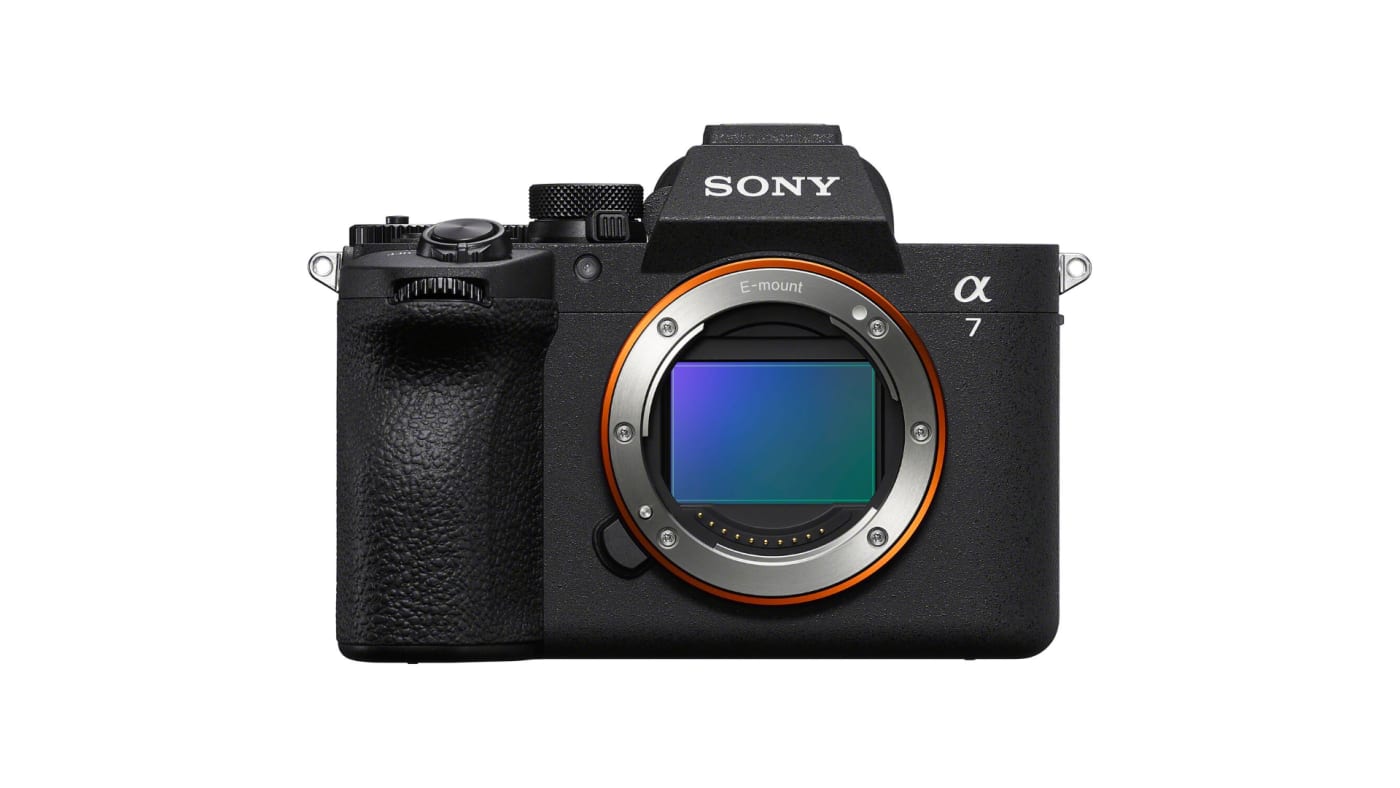
The wait is finally over. Sony has officially announced the A7 V, and if early reviews are any indication, the landscape of hybrid mirrorless cameras just shifted dramatically. The new A7 V represents a total reimagining of what the "basic" model in the Alpha lineup can do.
Here is everything you need to know about the new Sony A7 V, how it compares to the A7 IV, and the gear you need to get the most out of it.
The Game Changer: A Partially Stacked Sensor
The headline feature of the Sony A7 V is the introduction of a partially stacked CMOS sensor—a massive technological leap for the 7 series.
While the A7IV utilized a standard BSI sensor, the A7 V’s partially stacked design allows for significantly faster readout speeds. This directly addresses the two biggest critiques of its predecessor: rolling shutter artifacts in video and burst shooting limitations. You can expect:
• Uncropped 4K/60p: Gone is the Super 35 crop that plagued the A7 IV. The A7 V delivers full-frame 4K at 60fps, finally giving video shooters the full-width field of view they have been asking for. (Shooting in 4K 120 still has a crop.)
• Blazing Fast AF: Powered by Sony’s dedicated AI processing unit—first seen in the A7R V—the A7 V’s autofocus is stickier and smarter, recognizing a wider range of subjects from vehicles to insects.
• Silent Shooting: The faster sensor readout makes the electronic shutter usable in almost any lighting condition without banding.
What Else Is New on the A7 V?
Beyond the sensor, Sony has packed the A7 V with features previously reserved for their flagship models.
• Dedicated AI Processing Unit: Inherited from the A7R V, this dedicated chip powers the autofocus system. It doesn't just see eyes or faces; it recognizes human poses, insects, vehicles, trains, and planes with high accuracy. It also enables Auto Framing for video, where the camera automatically crops and follows a subject.
• Pre-Capture: A game-changer for wildlife and sports photographers, the A7 V buffers images up to 1 second before you fully press the shutter, ensuring you never miss the peak of the action. So cool to see this feature brought to the standard model in the A7 lineup.
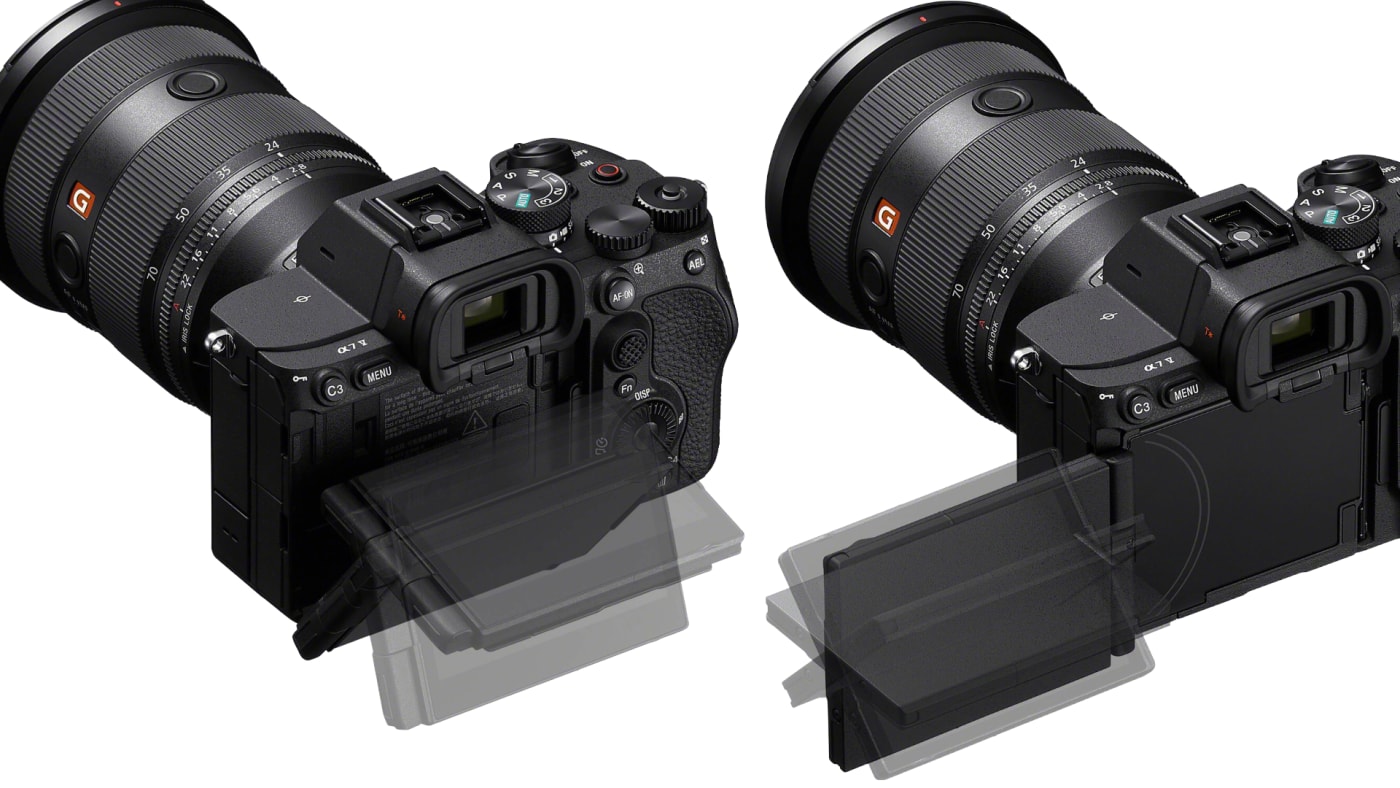
• 4-Axis Multi-Angle LCD: Sony solves the debate between tilt screens and flip-out with a “Why not both?” on the A7 V. The A7 V uses Sony’s unique 4-axis mechanism, offering the best of both worlds—tilting for waist-level shots and flipping out for vlogging, without blocking cable ports.
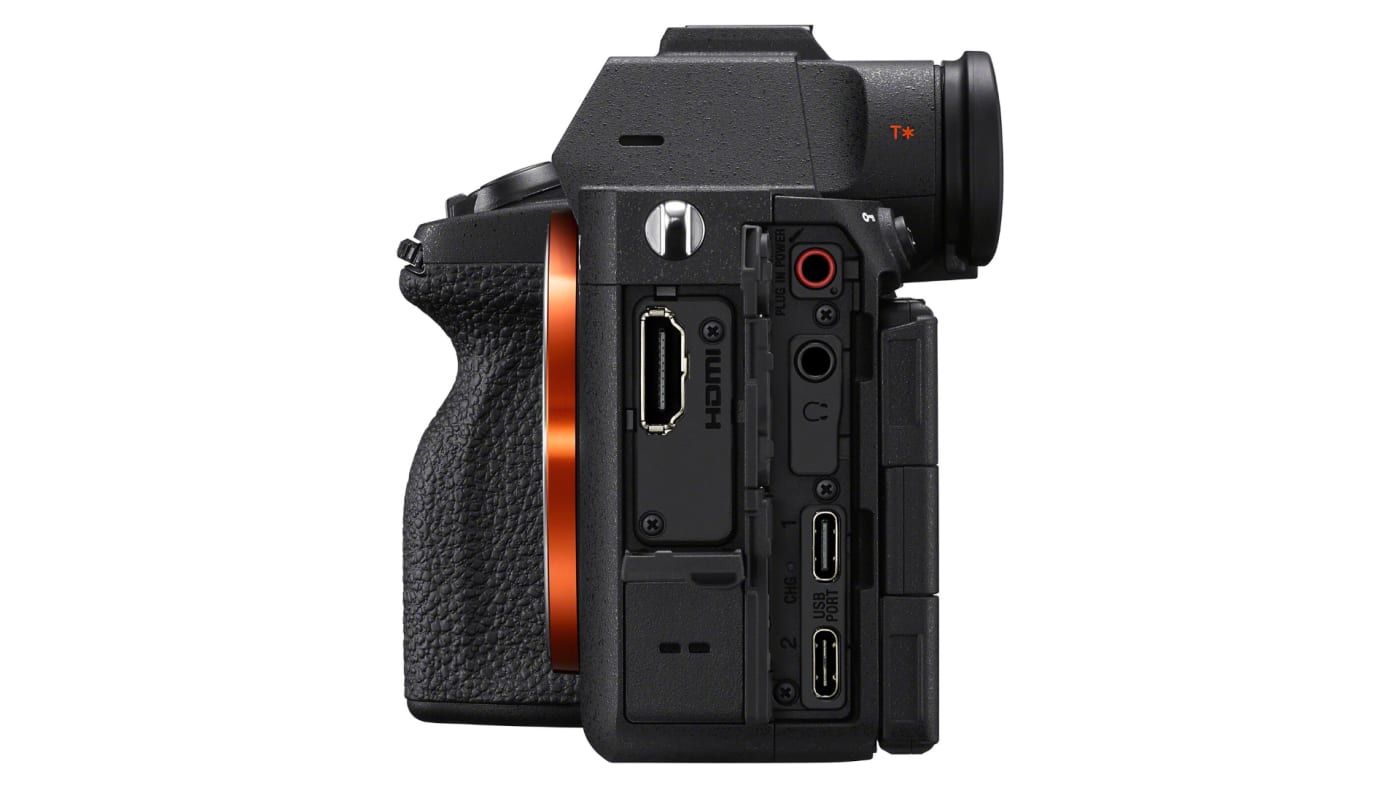
• Dual USB-C Ports: A thoughtful addition for tethered shooters and streamers, the body now features two USB-C ports. This allows you to power the camera via PD (Power Delivery) on one port while transferring data or tethering on the other.
Key Specs & Features: What’s Under the Hood?
• Sensor: 33MP Partially Stacked Exmor RS CMOS
• Processor: BIONZ XR2 with dedicated AI processing unit
• Video: 4K/60p (Full Frame, no crop), 4K/120p (APS-C crop), 10-bit 4:2:2 internal
• Stabilization: Up to 7.5 stops of IBIS (8 stops in some conditions) with Dynamic Active Mode
• Burst Shooting: Up to 30 fps blackout-free with electronic shutter
• EVF: Improved 3.69M-dot OLED (0.78x magnification)
• Storage Media: 1 Hybrid CFexpress Type A/SD UHS-II slot and 1 SD UHS-II slot.
A7 V vs. A7 IV: Should You Upgrade?
The A7 IV has been the workhorse for creators since 2021, but thanks to all of the new features and improvements, the A7 V honestly sits in a different league from its predecessor.
The A7 IV remains a capable all-rounder and great first camera option for those who want to step up their workflows. But the new A7 V is a truly modern hybrid shooter and a speed demon with several features that were, until now, reserved for the most high end cameras Sony produces.
If you are a hybrid shooter who was frustrated by the 1.5x crop in 4K/60p or the rolling shutter in electronic shutter mode on the A7 IV, the A7 V is a mandatory upgrade. It retains the approachable 33MP resolution sweet spot but adds the speed and AI smarts of the flagship A1 and A9 series.
Fueling the Beast: Storage Matters
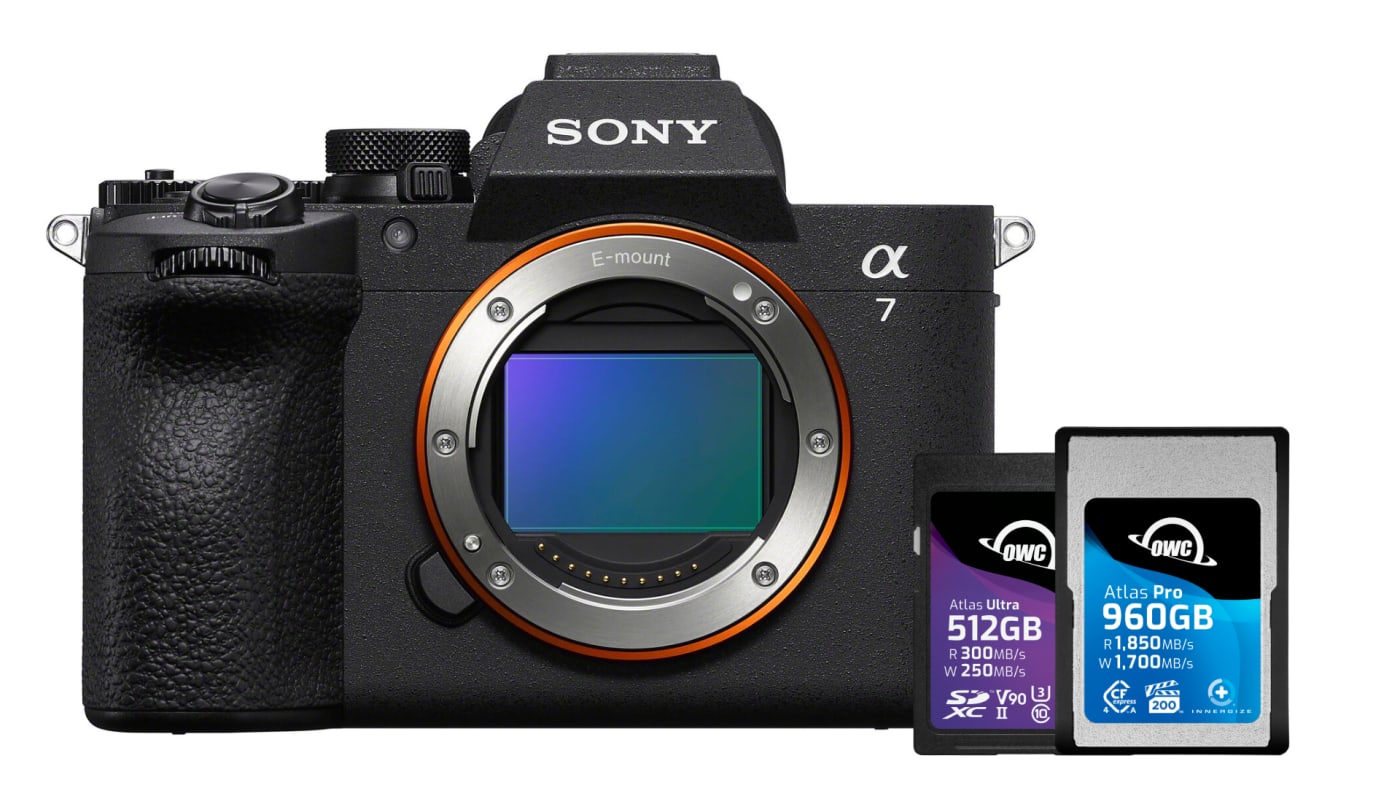
With uncropped 4K/60p video and high-speed 30 fps burst photography, the A7 V generates massive amounts of data instantly. The camera features dual card slots supporting both CFexpress Type A and SD UHS-II.
To unlock the full potential of this camera, you cannot rely on older, slower media. We recommend upgrading to the OWC Atlas ecosystem for the Sony A7 V:
• For Maximum Performance: Use OWC Atlas Pro CFexpress Type A card in the A7 V’s hybrid memory card slot. Atlas Pro CFexpress Type A cards are engineered to handle the A7 V’s highest video bitrates and clear the buffer instantly during burst shooting. Atlas Pro represents the best value on the market for Sony shooters.
• For Versatility and Backups: Pair your Atlas Pro CFexpress Type A with OWC Atlas Ultra or Atlas Pro SD cards. These V90-rated UHS-II cards are perfect for photographers who need reliable, high-speed storage for RAW photos or secondary video backup.
Pricing & Availability
The Sony A7 V is available for pre-order now for $2,898 (body only). It is expected to begin shipping in late December 2025. A kit option including the new 28-70mm f/3.5-5.6 OSS II lens will also be available for approximately $3,098 starting in February 2026.
Other topics you might like




Like What You Like: A Sneak Peek of Episode 2 of Personal Work with Forrest Mankins
Updated on Aug 7, 2026