 USA + International
 OWC Canda
 OWC Europe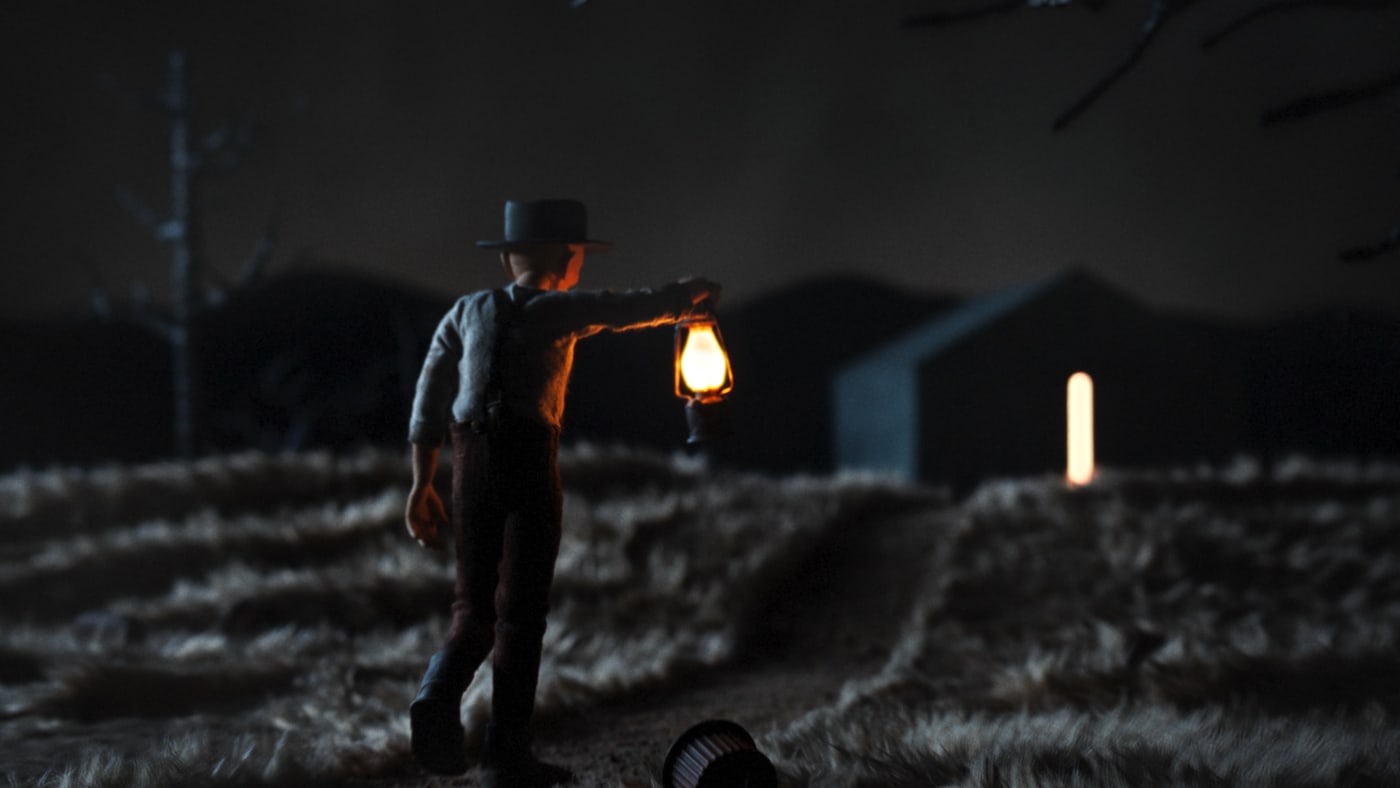
Stop-motion filmmaking demands precision, patience, and absolute reliability. Every frame, every file, every pixel must be carefully managed. For writer/director Parker Croft and producer Nolan Gould, that meant building a workflow around OWC’s ThunderBay 4 and ThunderBay Flex 8. These systems became the backbone of the production and post pipeline on "Hell", a darkly imaginative stop-motion short that explores the world of artist Spike Milliken’s Ash Harbor—a place where dreams are real, wishes come true, and everything is always awful for everyone.
Croft, acclaimed for his short "As Easy As Closing Your Eyes", teamed up with Gould, known for his work on "Modern Family", to craft a story that is both technically ambitious and emotionally gripping. "Hell", the second co-production between Paper Horse Pictures and Adversary Pictures, premiered last month at the Oceanside International Film Festival. The film combines RAW still photography and ProRes video captured on the Canon 5D Mark II and RED Komodo, using Dragonframe for precise animation capture. The result is a haunting, tactile world built frame by frame, showcasing the painstaking artistry of stop-motion filmmaking.
Building a Reliable DIT Backbone
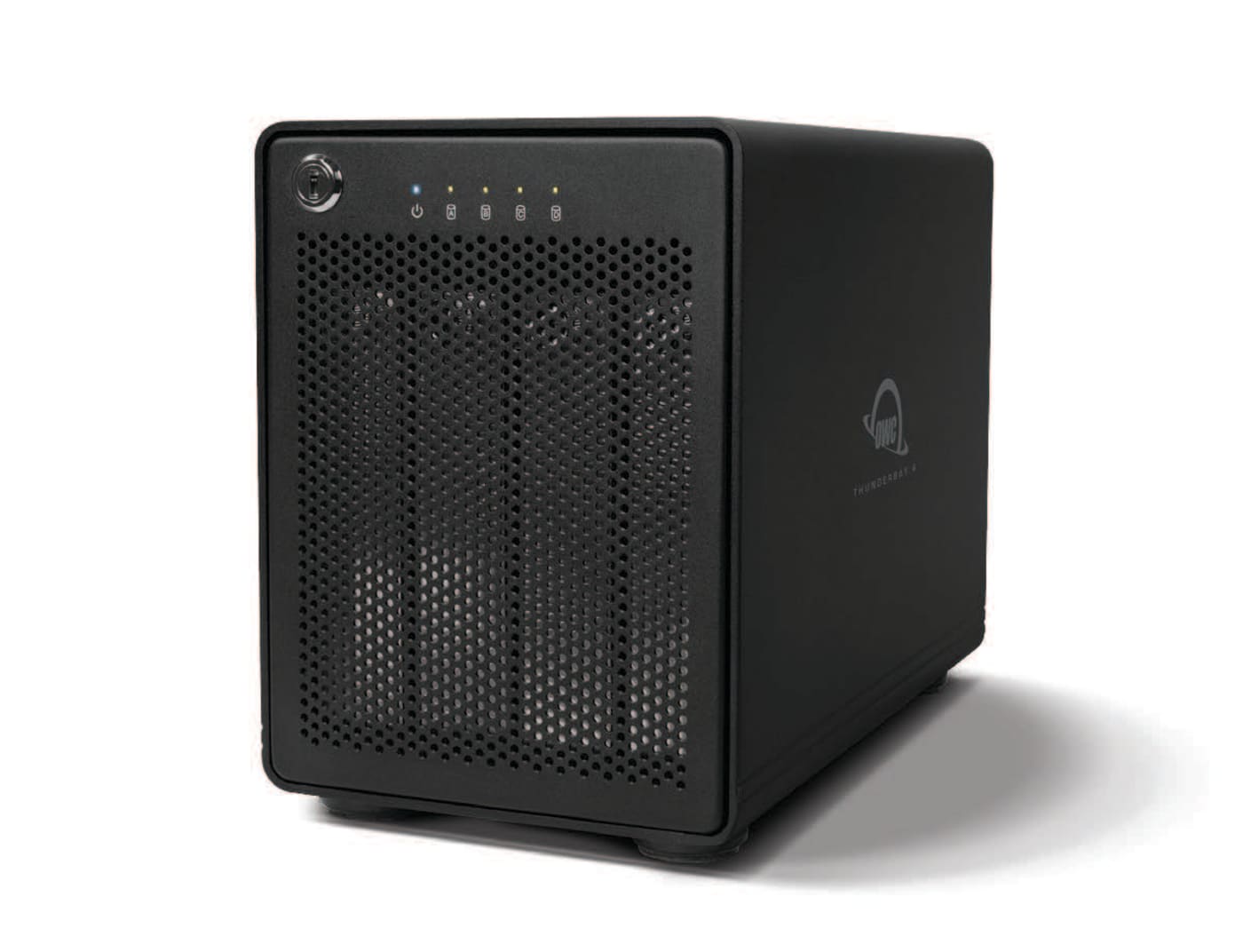
Stop-motion production generates a staggering amount of data. Shooting full-resolution RAW stills for every frame quickly added up to multiple terabytes before editorial even began. On set, the team relied on the OWC ThunderBay 4, configured in RAID 5, to manage backups and provide the throughput needed to sustain continuous capture.
“Stop motion doesn’t forgive you when it comes to data,” says Parker Croft. “You might spend 16 hours on ten seconds of animation. If you lose a frame, that’s a full day gone, and then you have to call your mom and ask her to loan you more money for your animated short film. And you just don’t want to make that call, especially as you approach 40. Luckily, I didn’t have to make that call once on this project.”
With transfer speeds exceeding 1,500 MB/s over Thunderbolt 3, the ThunderBay 4 gave the DIT team real-time access to captured files. They could verify sequences directly in Dragonframe while simultaneously archiving dailies to redundant drives. The hot-swappable drive bays made incremental offloads simple and secure, which was essential as data moved between capture stations and the editorial suite.
From Frames to Flames: Post-Production in the Studio
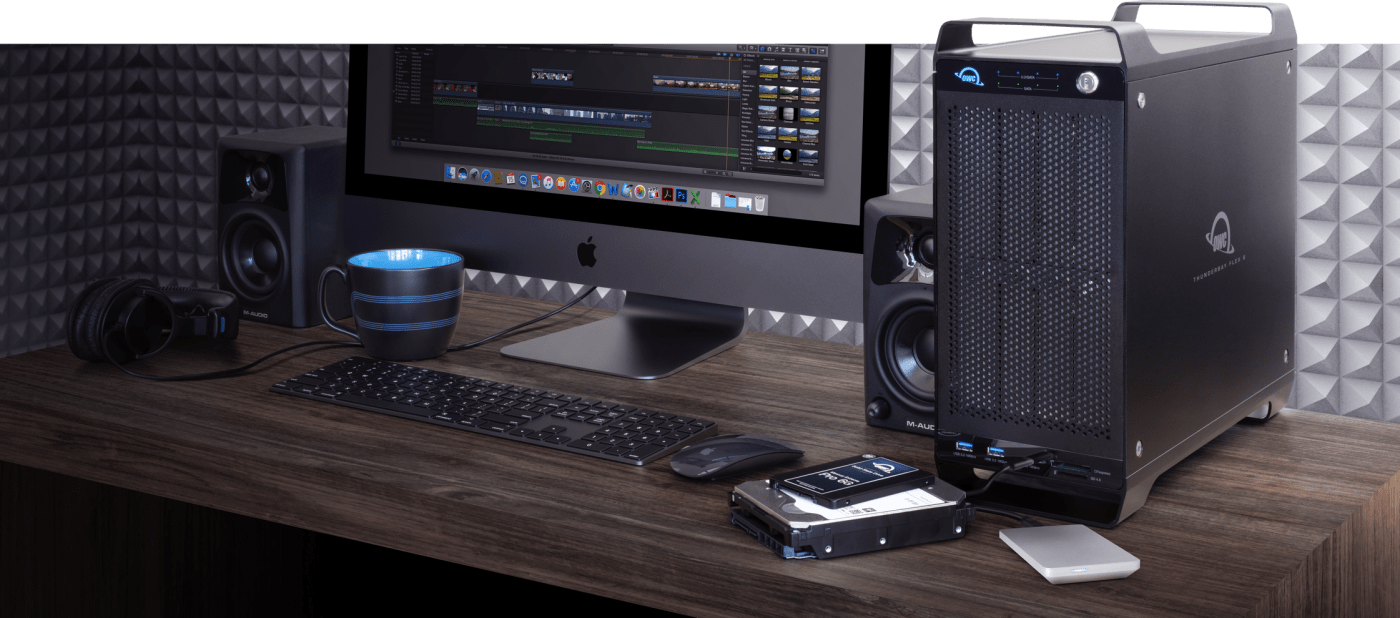
Once principal photography wrapped, the project shifted into post-production. Croft, Gould, and their team brought everything into the OWC ThunderBay Flex 8, which served as the studio hub for After Effects, Premiere Pro, and DaVinci Resolve. The Flex 8’s hybrid design allowed them to combine SSDs and HDDs in the same chassis, achieving the balance between speed and capacity that stop-motion work demands.
“Stop motion sits at the intersection of photography, animation, and live-action filmmaking,” Gould remarks. “You’re not just capturing motion, you’re sculpting it frame by frame, and that demands a storage system as precise as your camera. The Flex 8 handled everything without a hiccup. We literally never had to call Parker’s mom for any reason other than the weekly check-in on Sundays, and that’s always a delight.”
The post team, led by editor and animation director Erika Totoro, used SSD bays for active VFX work and HDD bays for long-term storage, keeping their pipeline smooth and efficient. The Flex 8’s PCIe expansion supported additional I/O and high-speed scratch performance during rendering, allowing Croft, Gould, and their collaborators to preview and refine shots at full resolution.
Color grading for Hell was completed at Rare Medium, where colorist Josh Bohosky brought the film’s surreal aesthetic to life. The secure, organized file structure established through the ThunderBay workflow made the handoff seamless and ensured that each frame retained its fidelity through final output.
Creating in Chaos: Collaboration and Dependability
“Stop motion is incredibly demanding. Every department has to be exact, and every mistake is amplified. Having the right tools and the right people makes all the difference,” says Nolan Gould.
Post-production on Hell involved months of compositing, cleanup, and finishing work. The imperfections of stop motion became part of its signature look. While the film embraces human imperfection, its data infrastructure remained flawless.
“The truth is, storage is invisible until it fails. With OWC, I never had to think about it. That’s the best compliment I can give any piece of gear,” Parker Croft explains. “It’s like when you’re a kid, and you don’t think about how dinner is always on the table. Then you leave home and have to make your own spaghetti, and you’re like, ‘I don’t know how to do this.’ That’s when you appreciate all the things your mom did for you. OWC is no different.”
From first frame to final export, the OWC ThunderBay 4 and ThunderBay Flex 8 provided a seamless, dependable backbone for one of the year’s most distinctive short films. For a project that built its world one frame at a time, that reliability made all the difference.
Configure your own ThunderBay solution at these links:
Check out the OWC ThunderBay 4 here.
Check out the OWC ThunderBay Flex 8 here.
Other topics you might like
Get the Most Out of the New M6 and M5 Pro Mac mini with These Docks and Drives
Updated on Sep 3, 2026
How to Choose the Right Desktop Storage: Capacity, Speed, and Interface Explained
Updated on Sep 2, 2026
When to Choose Desktop Storage Over Portable SSDs
Updated on Sep 2, 2026

How Much Backup Storage Do You Really Need?
Updated on Aug 21, 2026