USA + International
 OWC Canda
 OWC Europe
This is the New Sony Alpha 7R VI: High-Resolution Reinvented
Sony's latest R-series camera might be the best all-around hybrid shooter ever made.
Wayne Grayson • May 14, 2026
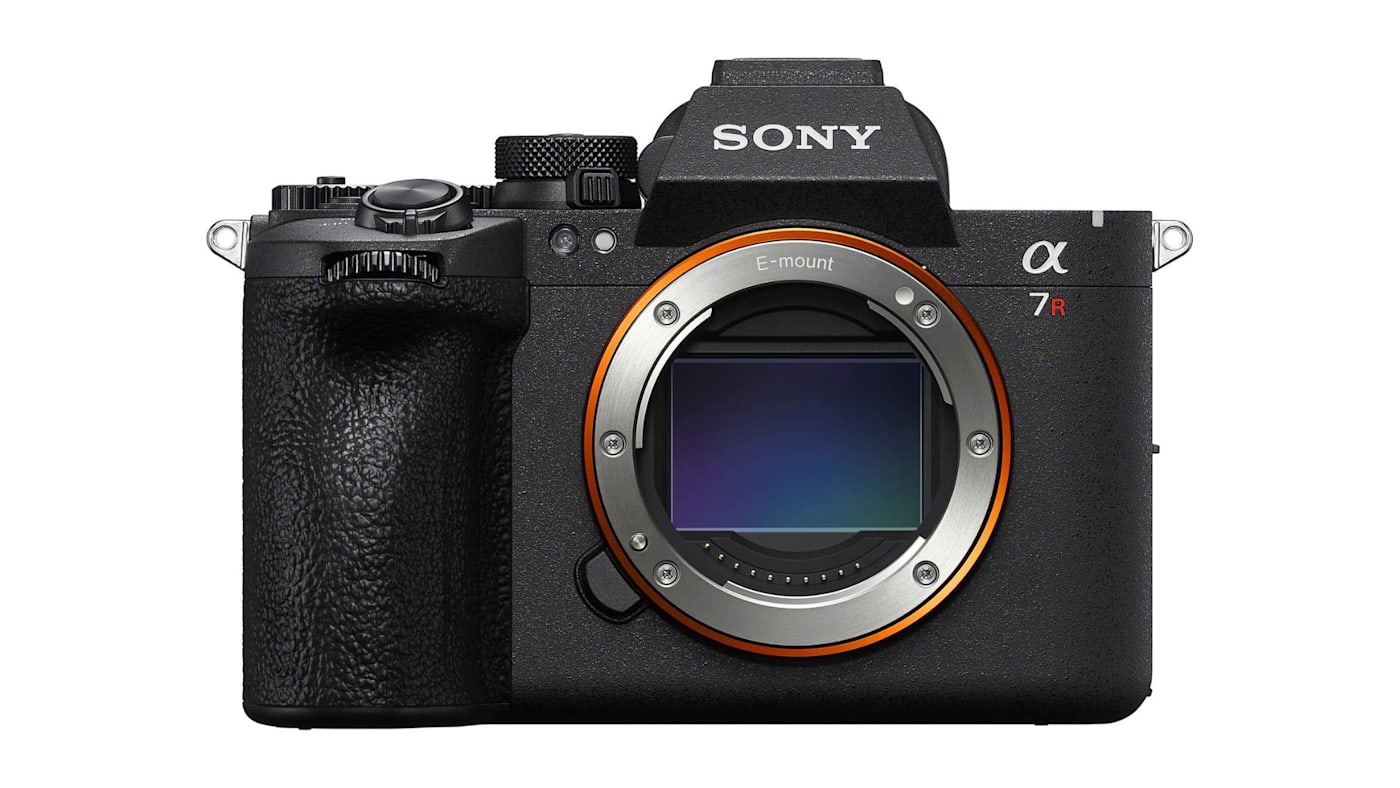
Sony has long held the crown in high-resolution full-frame mirrorless photography, and the new Alpha 7R VI makes clear the company has no intention of giving it up.
The a7R VI pairs a brand-new 66.8-megapixel fully stacked Exmor RS CMOS sensor with Sony's latest BIONZ XR2 image processor. That means the wait is over for Sony Alpha shooters hoping for the R series to catch up with the speed and intelligence of cameras like the a9 III and a1 II. The a7R VI delivers class-leading resolution, dramatically improved continuous shooting speeds, better autofocus, enhanced video capabilities, and a suite of professional-grade refinements.
Priced at $4,499 USD and available in early June 2026, here's everything you need to know.
The Leap to a Fully Stacked Sensor
The most significant engineering story behind the a7R VI is its shift from a standard back-illuminated sensor to a fully stacked architecture. In fact, this is the first time the a7R series has had an entirely new image sensor since the a7R IV debuted in 2019. The new 66.8-megapixel full-frame Exmor RS chip represents a generational leap in both resolution and performance.
Stacked sensors separate the photodiode layer from the logic circuitry, dramatically increasing the speed at which data can be read off the sensor. In the a7R VI, this translates to approximately 5.6x faster sensor readout than the a7R V.
Historically, stacked sensors have sometimes carried image quality penalties like higher noise floors or reduced dynamic range compared to conventional BSI designs. Sony appears to have largely sidestepped this tradeoff. The a7R VI maintains the same ISO 100 base sensitivity as its predecessor while expanding dynamic range to approximately 16 stops from the a7R V's 15. Our friend Chris Niccolls at PetaPixel saw this extra bit of dynamic range bear out in his excellent in-depth review of the a7R VI, which you can read here and watch here. Sony is believed to be using a form of Dual Gain Output (DGO) processing similar to what it debuted in the a7 V to achieve this, though the company has not confirmed the specific implementation.
The a7R VI bumps resolution from the a7R V's 61 megapixels to 66.8. It doesn’t sound like a huge jump, but it does net some meaningful additional detail for large-format prints, aggressive cropping, and fine-detail applications like landscape, architecture, and commercial product photography.
The a7R VI also improves on its predecessor's already-class-leading IBIS. The 5-axis optical stabilization system now delivers up to 8.5 stops of correction at the center of the frame and up to 7.0 stops in the periphery, up from 8 stops in the a7R V. The redesigned in-camera stabilization also expands roll-direction compensation by 2x, and a Dynamic Active Mode is available for smooth handheld shooting in motion-intensive scenarios.
Pixel Shift Multi Shooting, which uses IBIS to capture slightly shifted frames and composite them in post, now supports up to 265.8-megapixel composites built from 4 or 16 RAW images
Sony has also improved Auto White Balance significantly. The a7R VI combines a visible-light and infrared sensor with deep-learning illumination estimation to produce more accurate, natural color in challenging situations like shaded environments, scenes with strong color casts, and mixed artificial lighting.

30 FPS Continuous Shooting
If there is one headline specification that sets the a7R VI apart from every high-resolution camera that has come before it, it's this: the camera can capture full-resolution 14-bit RAW files at up to 30 frames per second using its electronic shutter. That's three times faster than the a7R V's maximum 10 fps and represents a level of performance once reserved for Sony's speed-focused a9 series.
This continuous shooting performance is completely blackout-free, and the camera performs 60 AF/AE calculations per second while doing it. The camera also supports Pre-Capture Shooting, which continuously buffers up to one second of images before the shutter is fully pressed — a feature that dramatically improves the odds of capturing decisive, unpredictable moments like birds taking flight or athletes in motion.
For photographers who don't need the electronic shutter's maximum speed, the mechanical shutter tops out at 10 fps. But it does while shooting lossless RAW, something the A7R V could not do.
Real-Time Recognition AF+ and the New AI Processing Engine
The a7R VI is powered by Sony's new BIONZ XR2 processor, which debuted in the a7 V and brings a more powerful integrated AI processing unit to the R series for the first time. The result is an upgraded autofocus system called Real-Time Recognition AF+ (Plus).
The camera retains its 759-point hybrid AF system, but the "Plus" designation reflects some meaningful improvements: enhanced skeletal-based human pose estimation, better tracking of partially obscured subjects, and significantly improved detection of small and distant subjects. Subject recognition covers humans, animals, birds, insects, cars, trains, and airplanes, plus an automatic subject selection mode for situations where you'd rather let the camera decide.
In real-world use, when Niccolls tested the camera on birds in flight he found that once the a7R VI acquired focus, it stayed locked with exceptional consistency. Those who shoot wildlife will also appreciate that combining thea7R VI’s pre-capture with this improved autofocus ensures that you capture the perfect frame.
A New EVF
The electronic viewfinder on the a7R VI has been upgraded as well.
While resolution stays the same at approximately 9.44 million dots, the new OLED panel is three times brighter than the a7R V's viewfinder. The EVF now covers the full DCI-P3 color gamut and supports 10-bit HDR, with a 120p refresh rate and 0.9x magnification.
Body Design: A Familiar Form With Bright Updates
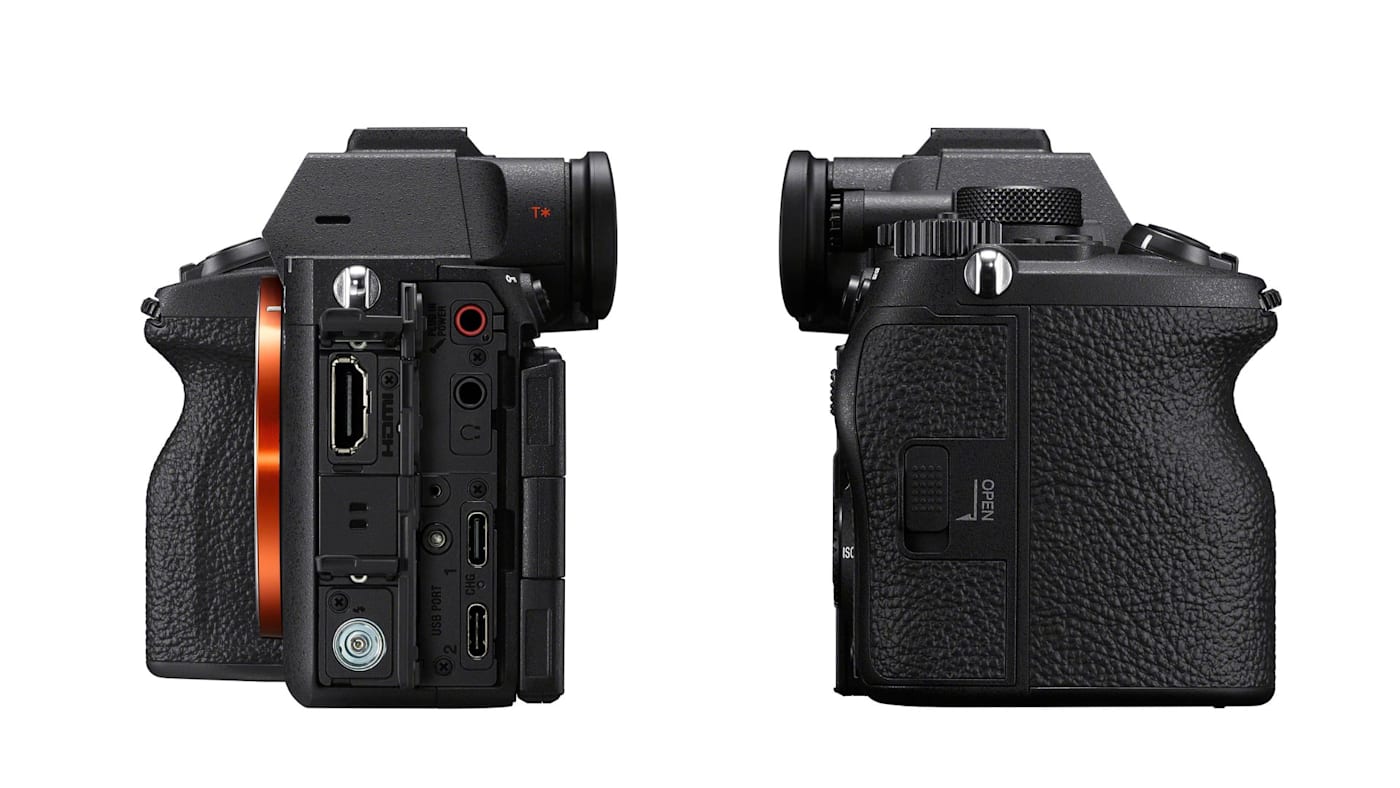
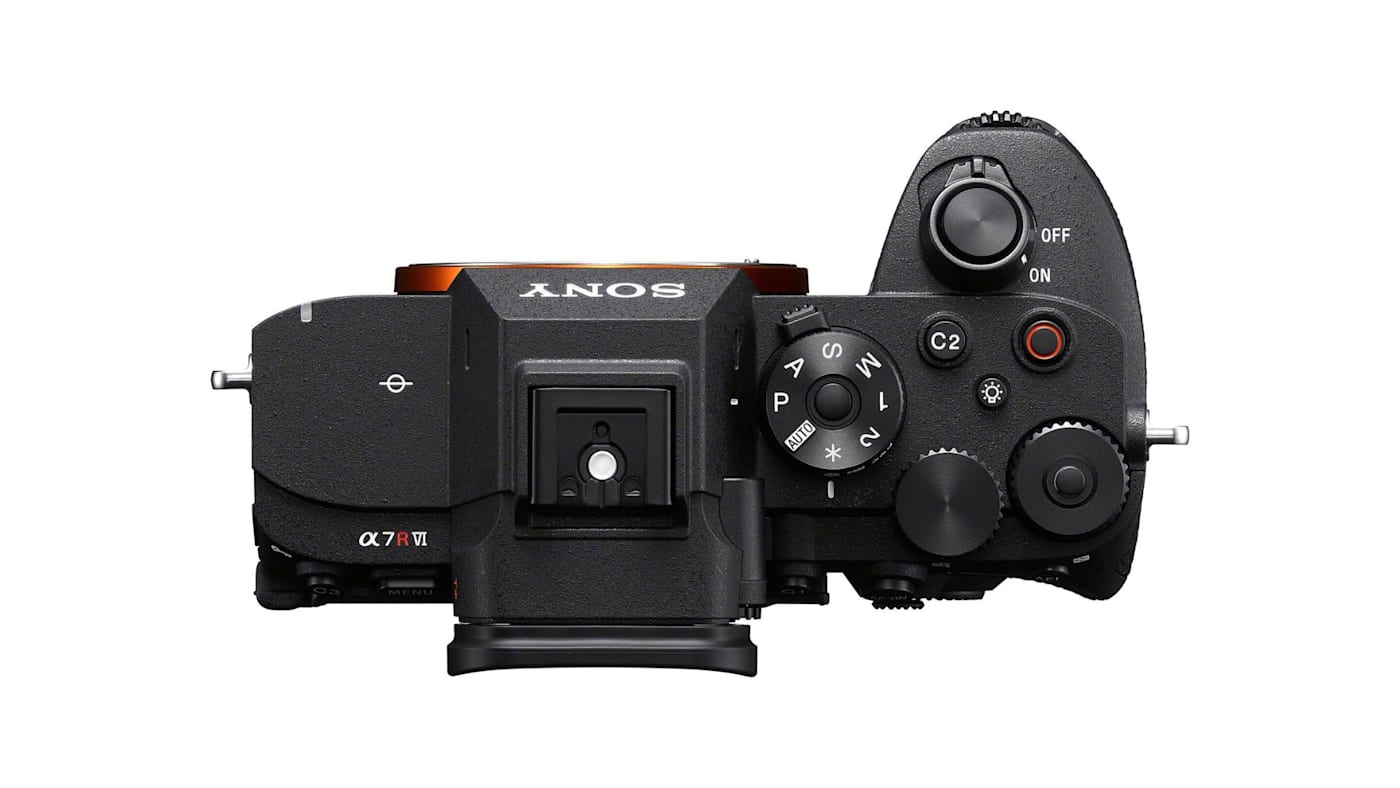
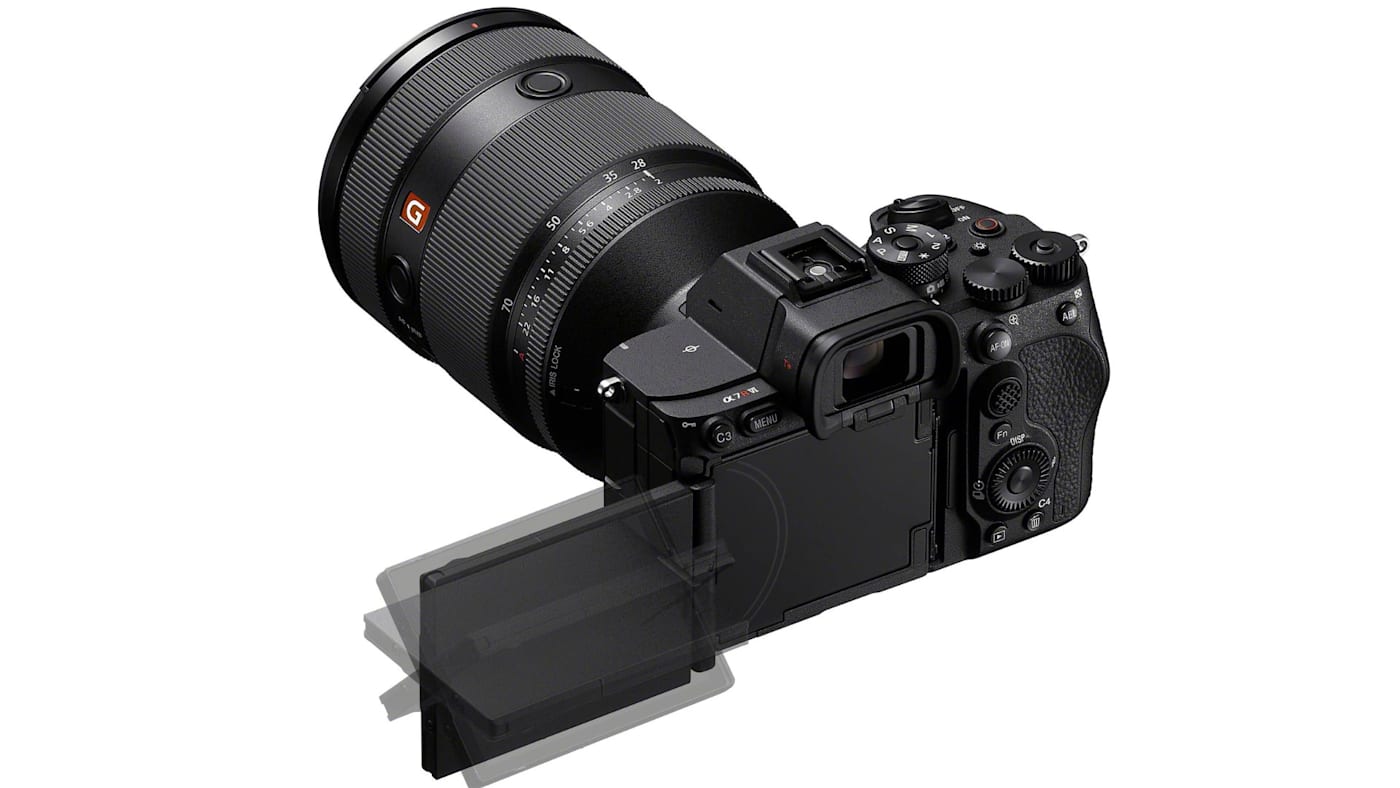
The a7R VI will feel immediately familiar to a7R V users. Sony has kept the magnesium alloy construction, the dual-axis multi-angle rear LCD, and the general layout of controls while making targeted refinements throughout.
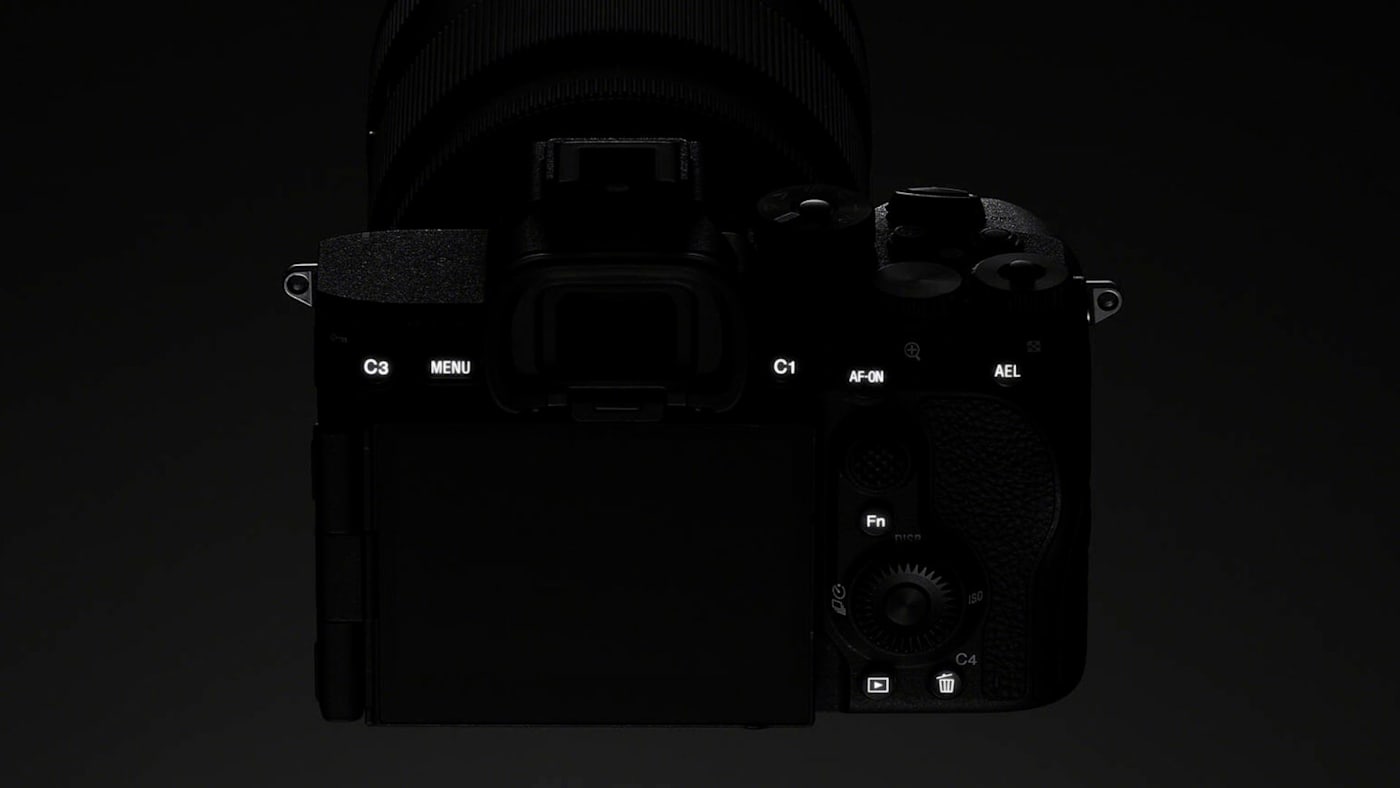
Perhaps the most celebrated new feature for working photographers is the illuminated buttons. By pressing a dedicated light-bulb button on the top deck, key rear controls including C1, C3, AF-ON, AEL, Fn, Playback, Delete, and Menu all glow white, a nice addition for astrophotographers, nightscape shooters, and anyone working in low-light environments where fumbling for buttons costs you the shot.
The familiar MR3 mode dial position has been replaced with a new "*" position that supports up to 30 custom memory recall configurations: 10 each for stills, video, and S&Q shooting. A new tally lamp has been added to the front of the body for video production, and dual USB-C ports enable simultaneous charging and data transfer. The camera also supports Sony's Camera Authenticity Solution, including the C2PA standard for verifying that images were captured in-camera rather than generated by AI.
One meaningful change is the new NP-SA100 battery, which replaces Sony's longstanding NP-FZ100. The new battery delivers approximately 1.3x the capacity of its predecessor, supports up to 710 shots per charge via the LCD, and includes battery health monitoring. The tradeoff is backward compatibility. Existing NP-FZ100 chargers and grips are not compatible with the SA-series battery.
Video: A Significant Step Forward
While the a7R VI is primarily a photographer's camera, the stacked sensor and BIONZ XR2 processor bring meaningful video improvements that will matter for hybrid shooters.
The camera records 8K at up to 30p, the same maximum resolution as the a7R V but with dramatically reduced rolling shutter: approximately 17 milliseconds versus 38 milliseconds on the previous model. That's not quite full-frame oversampled 8K like what Nikon and Canon offer in their competing flagships, as a slight 1.2x crop is still present, but the usability improvement is dramatic.
In 4K, the a7R VI uses the full width of the sensor and achieves rolling shutter as low as approximately 8 milliseconds, excellent for the vast majority of shooting scenarios. A new 4K 120p mode is available with a minor crop factor, enabling smooth slow-motion footage at higher quality than previously possible.
A new Dual Gain Shooting mode—the first in the Alpha series available up to 4K 30p — optimizes sensor performance to reduce noise and improve dynamic range in Log recording. The tradeoff is slower readout (approximately 20 milliseconds) and the 30p cap, but the image quality benefit is notable for filmmakers working in demanding lighting environments.
The camera also supports 32-bit float audio internal recording when paired with the new XLR-A4 adapter (sold separately), which eliminates the need for manual gain adjustment on location and delivers professional audio capture up to 96kHz/32-bit at 4 channels. While the camera still lacks waveforms, internal RAW recording, and open gate modes, the a7R VI is a substantially more capable video tool than its predecessor.
With all These Pixels, Choosing the Right Memory Card is Vital
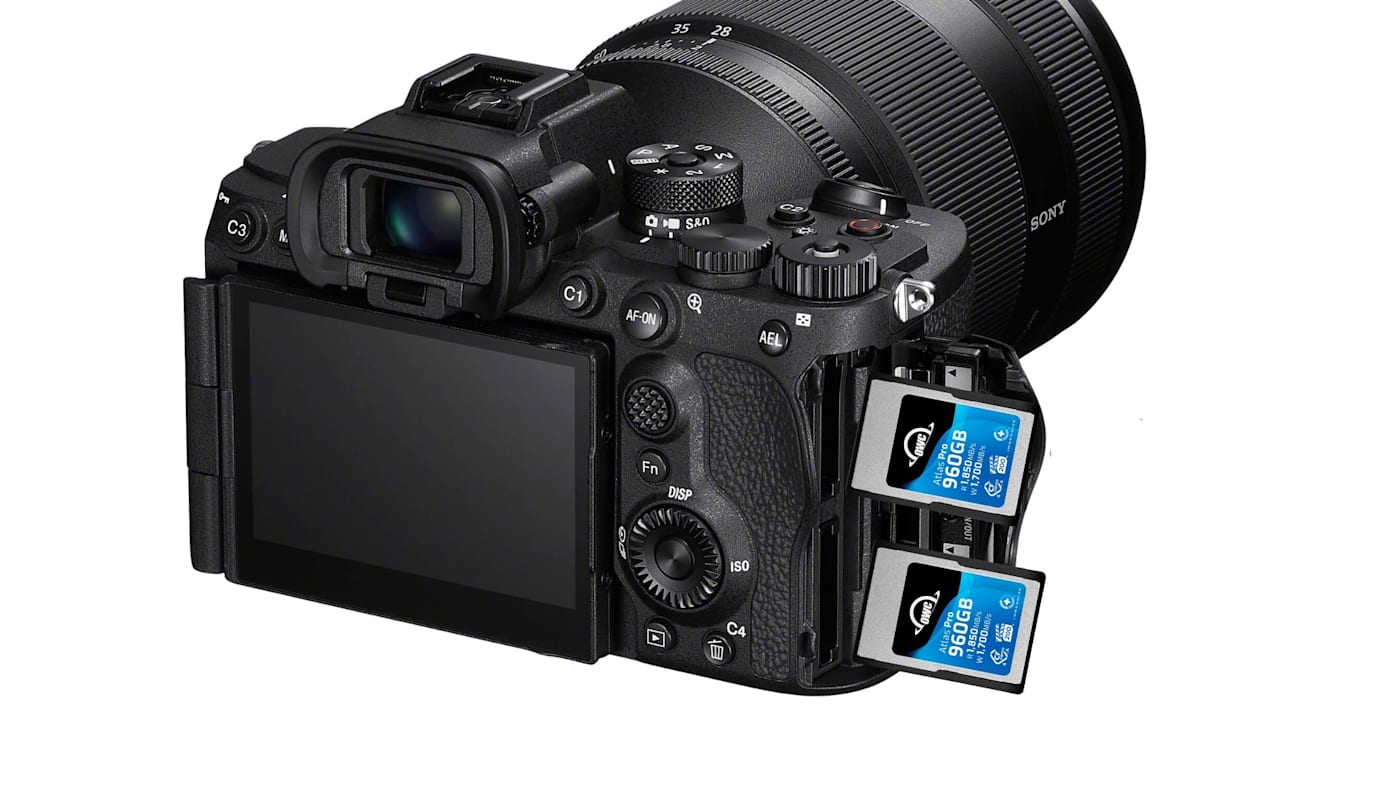
The Sony a7R VI uses a dual-slot card configuration: both slots will accept either a CFexpress Type A memory card or and SD card (UHS-II compatible). This is the same arrangement as the a7R V, and it remains one of the most versatile dual-slot setups available on any camera, allowing photographers to mix high-speed CFexpress for primary shooting with SD for overflow, backup, or simultaneous JPEG capture.
At 30 fps with a 66.8-megapixel sensor, the demand on storage media is substantial. Buffer performance on the a7R VI will be directly tied to card write speeds, making fast media the difference between a buffer that keeps up and one that becomes a bottleneck during sustained action shooting. Using the mechanical shutter, the a7R VI can sustain approximately 140 frames of lossless compressed RAW before slowing—about 14 seconds of uninterrupted shooting. In electronic shutter 30 fps mode, that depth runs to approximately 70 frames of lossless compressed RAW.
The OWC Atlas Pro CFexpress Type A card is the ideal companion for the a7R VI. With write speeds up to 1700 MB/s, it is one of the fastest CFexpress Type A cards available and it’s our friends’ at PetaPixel's preferred card for Sony cameras. Whether you're shooting wildlife bursts, leaning heavily on the a7R VI’s Pre-Capture sequences, or high-bitrate 8K video, the Atlas Pro CFexpress Type A card is built to keep pace with everything the a7R VI can throw at it.
For the SD slot, the OWC Atlas Ultra V90 SD card delivers V90-rated write speeds and UHS-II performance, making it a worthy match for the a7R VI's second slot. Whether used as a high-speed overflow card, a simultaneous backup medium, or a standalone shooting card for video-focused workflows, the Atlas Ultra V90 ensures your SD slot is never the weak link in the chain.
For transferring those large 66.8-megapixel RAW files back to your workstation quickly, OWC has purpose-built readers for both card formats. The OWC Atlas CFexpress Card Reader supports both CFexpress Type A and Type B cards and delivers blazing fast USB 4 speeds to keep ingest sessions short. For SD cards, the OWC Atlas Dual SD Card Reader lets you offload from two SD cards simultaneously—ideal for workflow efficiency when using the a7R VI's dual-slot configuration for backup shooting.
a7R VI vs. a7R V: Key Improvements at a Glance
- Resolution: 66.8 MP (up from 61 MP)
- Sensor architecture: Fully stacked Exmor RS (up from BSI CMOS)
- Processor: BIONZ XR2 with dedicated AI unit (up from BIONZ XR)
- Continuous shooting: Up to 30 fps, blackout-free (up from 10 fps)
- Sensor readout: ~5.6x faster than the a7R V
- Dynamic range: ~16 stops (up from ~15 stops)
- IBIS: 8.5 stops center / 7.0 stops periphery (up from 8.0 stops)
- EVF: 3x brighter, DCI-P3, 10-bit HDR (same dot count at 9.44M)
- Video: 8K 30p with ~17ms rolling shutter (vs. 38ms on a7R V); new 4K 120p mode
- New Dual Gain Shooting mode for improved Log video dynamic range
- 32-bit float audio recording with XLR-A4 adapter
- New illuminated rear buttons for low-light operation
- Pre-Capture Shooting up to 1 second
- New NP-SA100 battery (~1.3x capacity vs. NP-FZ100); up to 710 shots per charge
A Camera That Changes the Conversation
For years, the implicit compromise of the Sony a7R series was this: you got the world's best image quality in a full-frame mirrorless body, but you paid for it in speed and responsiveness. That compromise no longer exists. The a7R VI is the camera Sony shooters who wanted it all have been waiting for: maximum resolution, excellent dynamic range, fast and accurate autofocus, and 30 fps continuous shooting in a proven, well-built body.
For landscape photographers, wildlife shooters, commercial photographers, and anyone who has ever needed to choose between resolution and speed, the a7R VI removes that choice entirely. And with the right media in both card slots—either a duo of OWC Atlas Pro CFexpress Type A cards or paring the Atlas Pro with an OWC Atlas Ultra SD card in the overflow slot — you'll be positioned to take full advantage of every capability this camera offers.
The Sony Alpha 7R VI is scheduled for availability in early June 2026 at $4,499 USD / $5,999 CAD.
Other topics you might like

Godox's C100 is a Novel Light Meter and Mini Camera With a Transparent Display
Updated on Aug 5, 2026
Peak Design's Field Bracket is a Modular, AirTagged Evolution of the L-Bracket
Updated on Jul 28, 2026
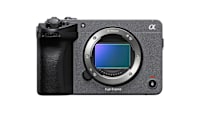
Sony’s New FX5 Brings New Sensor, Open Gate, VENICE-level Features to a Compact Cinema Camera
Updated on Jul 23, 2026