USA + International
 OWC Canda
 OWC Europe
More Than Two Decades of Trust: How Prime Recording Relies on OWC to Protect Every Note
Inside the Nashville studio where legendary sessions meet bulletproof data storage—including an OWC hard drive from 2005 that is still ready to run.
Wayne Grayson • May 07, 2026
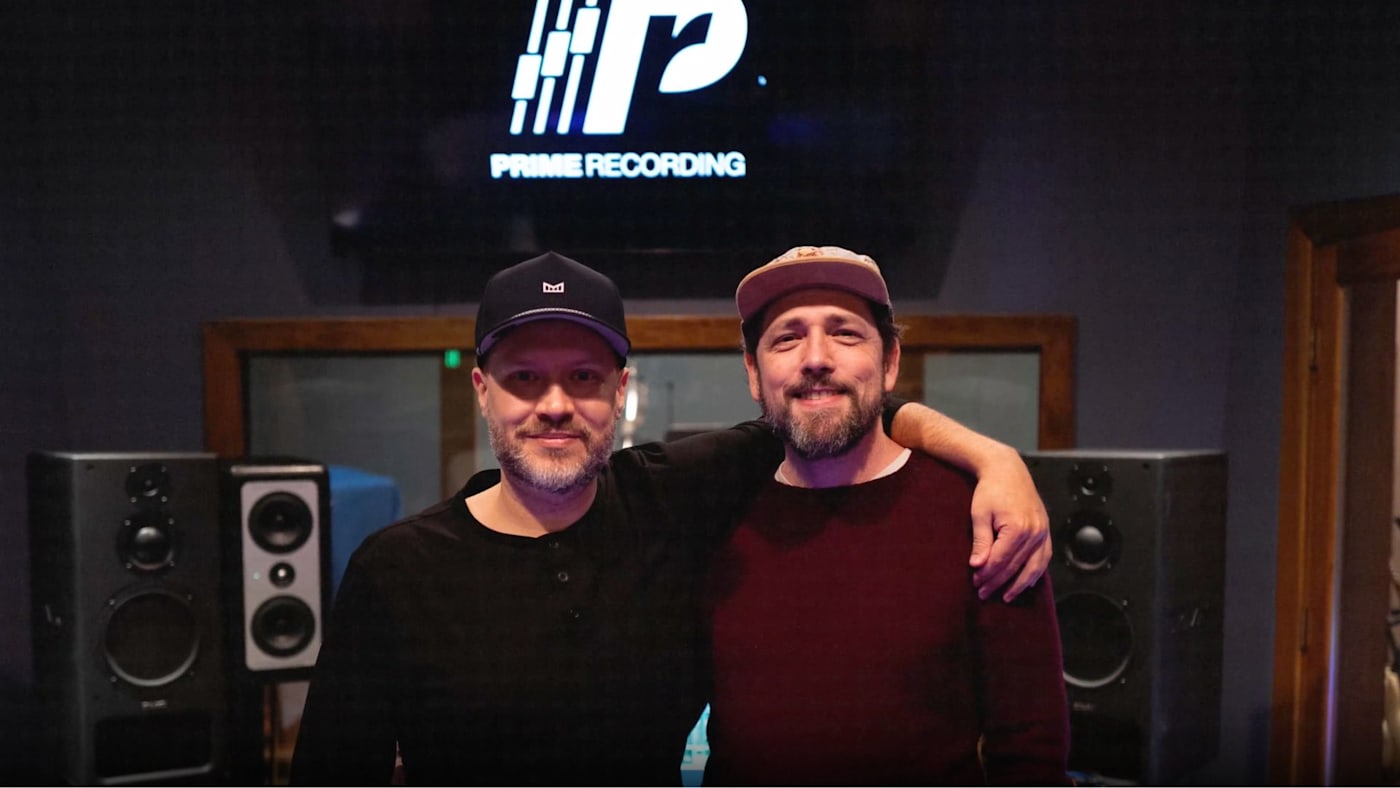
In the music business, everything is fleeting. Trends shift, gear becomes obsolete, and careers rise and fall in as little as a single album cycle. What doesn’t change is the nature of a great recording.
At Prime Recording in Nashville, Tennessee, engineer and producer Derek Garten (pictured above on the right) has lived that truth every day since he walked into this studio more than 15 years ago. “I look at the last 15 years of us doing what we’ve been doing, and the amount of time I’ve spent in this building is probably more than my own house,” Garten says. “It’s a home away from home for me.”
That sense of permanence, of craft built to last, runs through everything Prime Recording does—including the way it stores, manages, and protects its audio data. And for that, Garten and his business partner, mastering engineer Josh Keith (left in the photo), have trusted one name for more than 20 years: OWC.
A Full-Service Studio
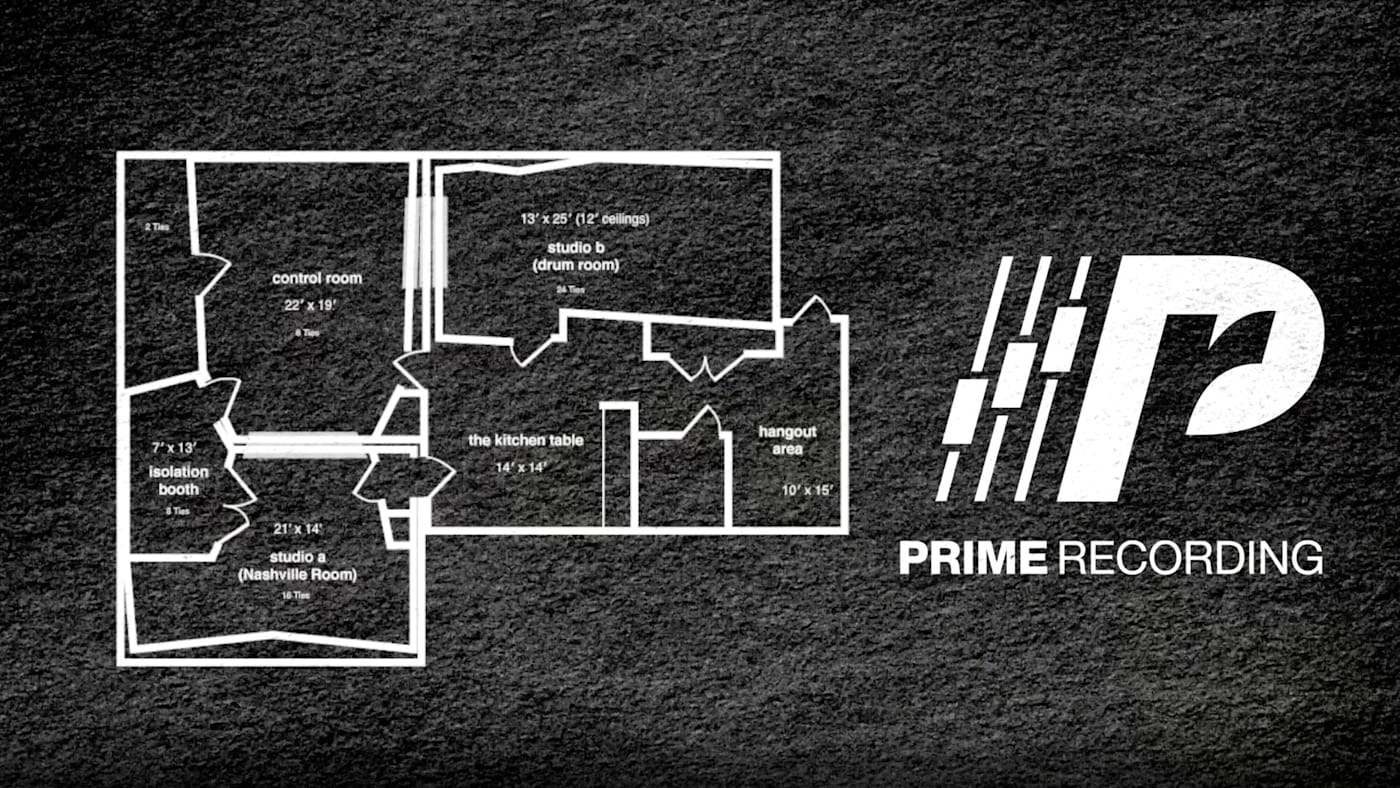
Prime Recording was designed from the ground up for full-band production and elite-level audio work. The studio can comfortably accommodate six to eight musicians playing live simultaneously. Twenty-piece choirs, jazz trios, four- and five-piece bands, and solo artists from across the globe have all recorded within these walls.
The facility is anchored by several distinct rooms, each designed with a specific purpose. The “Glam Room” is the primary tracking space, decorated with a vibe Garten describes as “a little bit of LA in Nashville.” The “National Room” is the vocal booth, a space Garten says is suited for everything from “the biggest artists in the world to Hungarian folk music.” It’s home to a prized Baldwin concert vertical piano and a Leslie 147 rotary speaker cabinet. An ISO booth rounds out the tracking spaces, typically used for acoustic guitar, mandolin, or banjo players who need sonic separation during full-band sessions.
One design element Garten is particularly proud of is something rarely seen in professional recording studios: natural light. “Natural light is something kind of rare these days in recording studios,” he says. “It helps balance out the long hours we spend in the environment. It makes it feel more like home.” Prime Recording is as much about the experience of making music as it is the technical execution of capturing it.
The Control Room: Where Art Meets Engineering
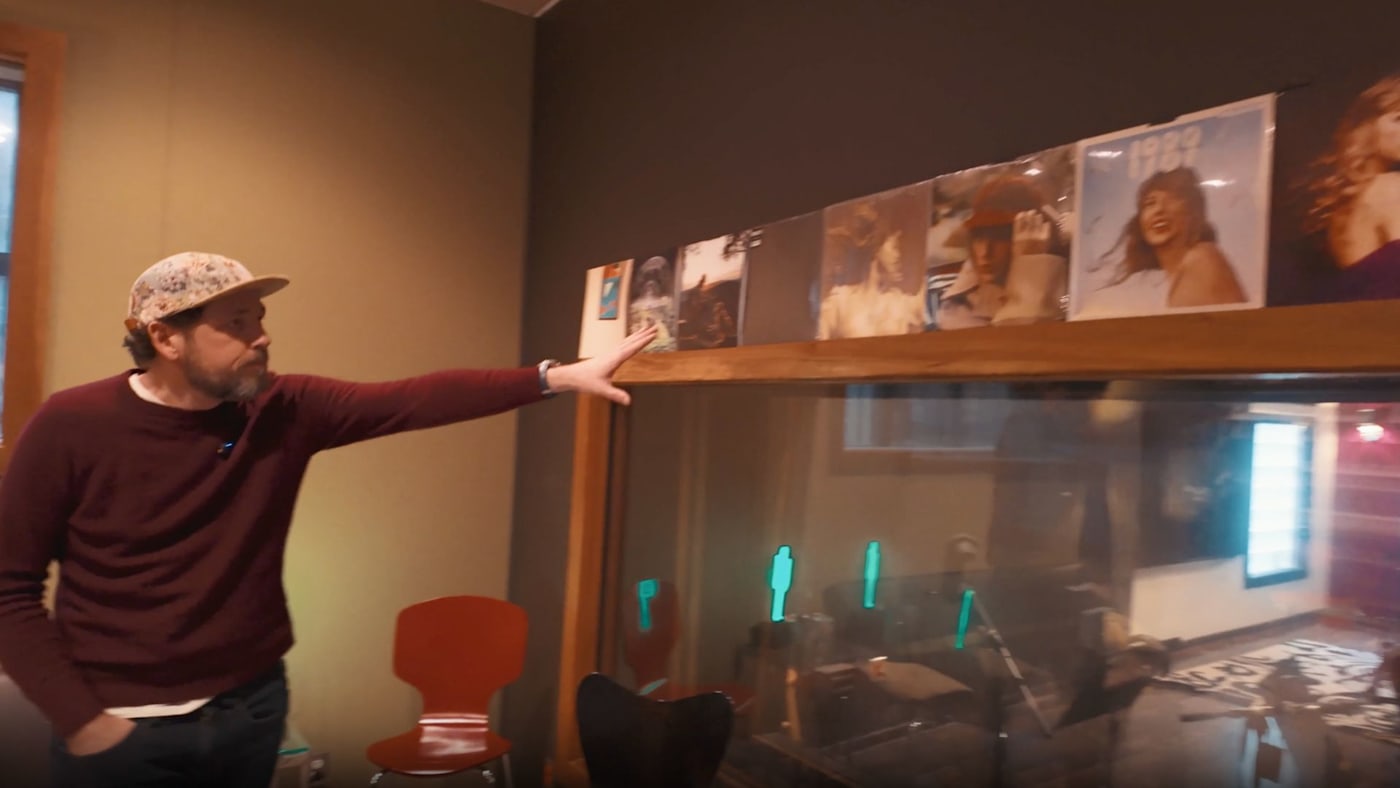
At the heart of Prime Recording is what Garten calls “the central nervous system of the operation,” the control room. The walls are lined with records from sessions the team has been privileged to work on, ranging from Taylor Swift’s "1989", to “Thunderbitch”, the rock project from celebrated Alabama Shakes vocalist Brittany Howard, to recordings by Hungarian folk artist Áron András. It’s a diverse and impressive discography that speaks to the studio’s range and reputation.
Garten and Keith operate as a complementary team. Garten handles production, writing, and mixing at his Barefoot monitors, while Keith manages mastering from his station equipped with PMC monitors and a full rack of outboard analog processing gear. The room is equipped with guitar pedals, amp modelers, mic preamps, compressors, synthesizers, and keyboards — “keyboard world,” as Garten calls it. Sight lines between the control room, the Glam Room, the vocal booth, and the ISO booth ensure that no musician ever feels disconnected from the session, no matter where they’re playing.
Josh Keith’s mastering philosophy is worth noting. While the quality of software plugins has never been higher, Keith remains committed to running audio through analog outboard gear. “There’s something magical about running it out analog and feeling like you’re touching the music,” he explains. “It really creates a different perspective when you’re thinking about it and listening to it, versus just clicking a mouse.” That philosophy of analog warmth alongside modern precision defines Prime Recording’s sound.
Data Is Sacred: The Prime Recording Approach to Backup and Storage
Ask any professional recording engineer about their worst nightmare and the answer is almost always the same: a session lost to a drive failure. At Prime Recording, that scenario is not an option.
Garten and Keith have built a rigorous, redundant data protection workflow around a simple maxim that Keith recites with the ease of a mantra: “If you don’t have two different mediums in three different places, then it’s not backed up.”
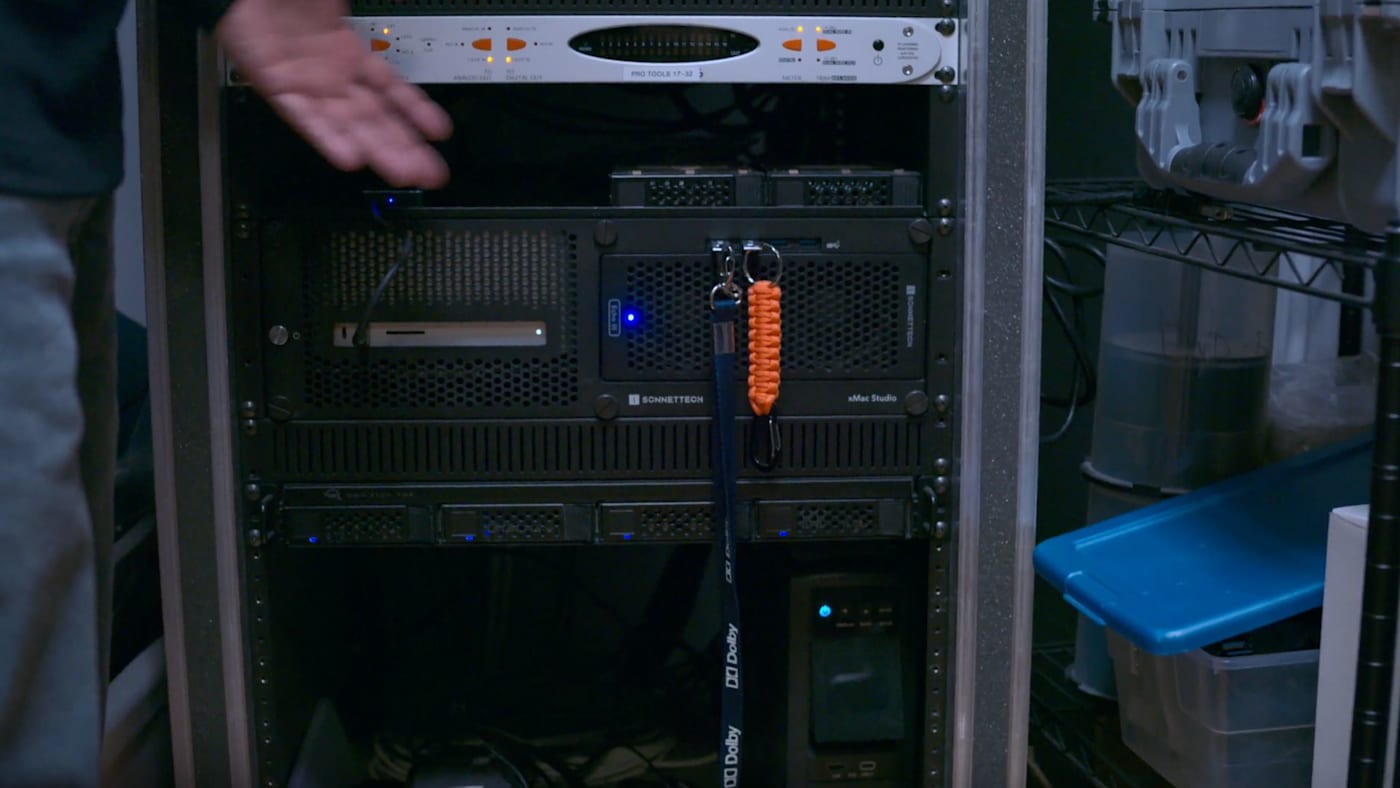
The centerpiece of their current storage setup is the OWC Flex 1U4, a rackmount unit with four drive bays that handles all primary audio throughput in the machine room. “We run all our audio through the Flex 1U4,” Keith explains. “It’s a 1U rack with four bays, and it works great.” That on-site RAID solution is paired with an off-site OWC Jellyfish NAS for disaster recovery. If the studio were ever to burn down or suffer a theft, the music would live on.
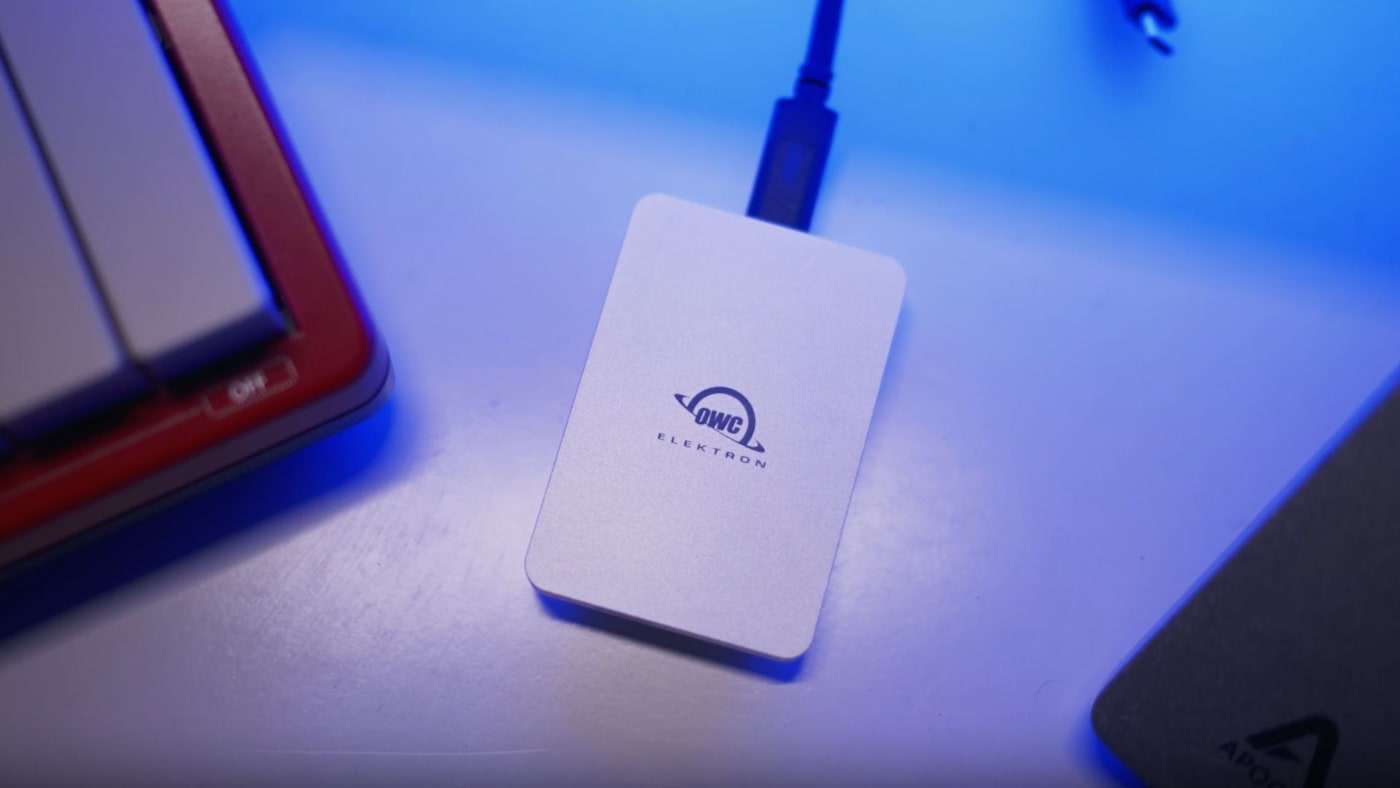
Their current daily driver for portable storage is the OWC Envoy Pro Elektron, which Garten uses extensively throughout the production and mixing process. “Every project I’ve ever worked on in my discography, OWC has touched,” he says. The crew is also working the OWC Envoy Ultra into their workflow, a blazing fast 8TB Thunderbolt 5 drive that can reach speeds of over 6,000 MB/s.
More Than Two Decades of OWC: A Loyalty Forged With in FireWire
The Prime Recording team’s relationship with OWC didn’t begin with rackmount storage or cutting-edge SSDs. It began in 2005, when Josh Keith first opened his home studio and needed reliable, professional-grade storage for his audio work.
“Since 2005, I’ve owned OWC hard drives, starting with a Mercury FireWire 800 all the way to today, working with the Envoy,” says Keith. “We’ve been using their products for so long that I don’t even remember when I wasn’t using their products.”
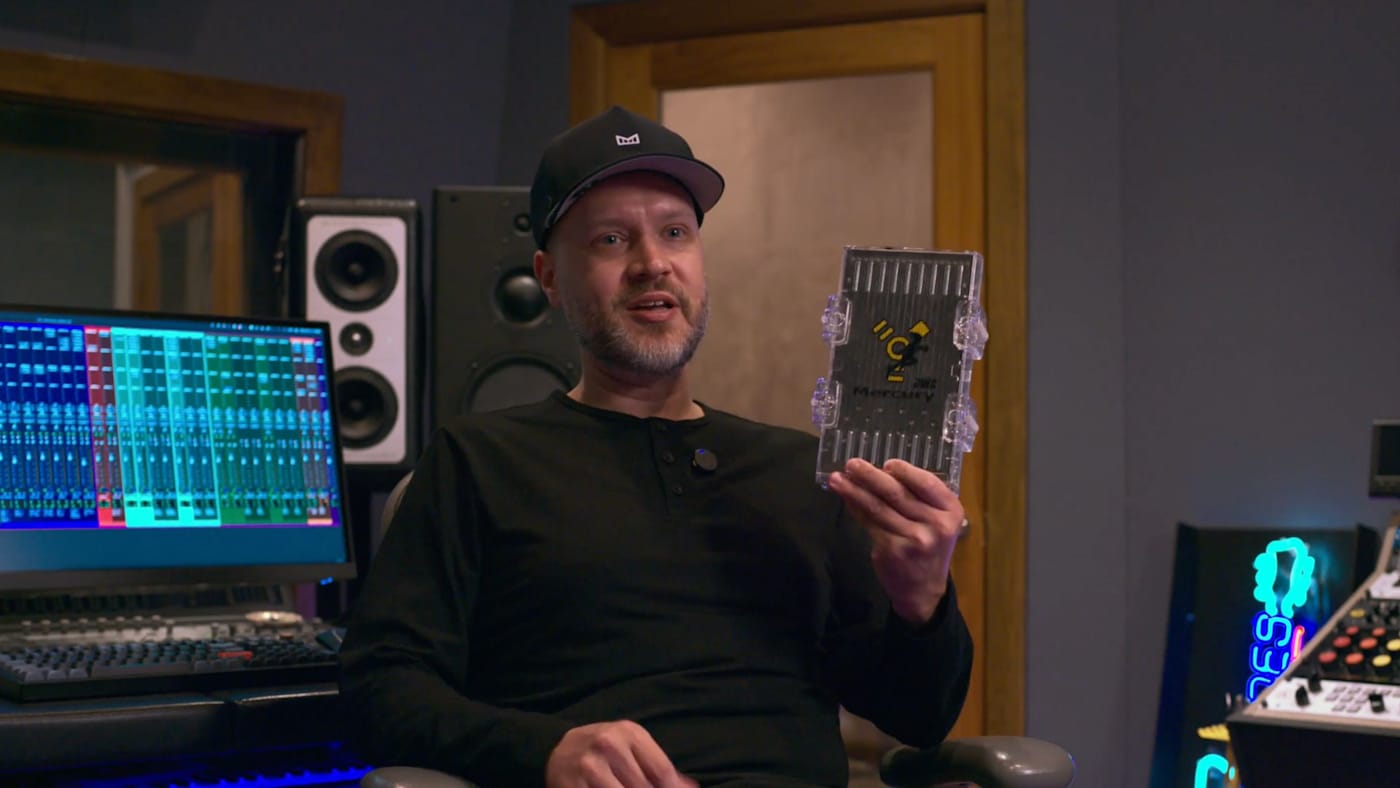
During our studio tour, Keith pulled out that original OWC Mercury FireWire 800 drive and held it up with something close to reverence. “I haven’t had the nerve to get rid of it, just because I kind of feel like it belongs in the Smithsonian or something,” he says with a laugh. Then, with a hint of pride: “I bet I could turn this on. It would still work.”
Guess what? We plugged it in and not only did it mount, but we pulled several old photos off the drive to use in the video tour of the studio embedded in this post above.
That kind of reliability is exactly why a professional studio whose entire business depends on data integrity would stake its reputation on a storage brand for 20-plus years. From a FireWire drive in a home studio to a rackmount solution in a Nashville facility with an impressive list of artist credits, OWC has been there for every chapter of Prime Recording’s story.
Artist First, Ego Last
Gear and storage solutions matter, but Garten is quick to point out that what sets Prime Recording apart isn’t found in a rack. It’s found in the culture. Before every session, Garten is on the floor checking every tie line and microphone, making sure every system is running at full capacity, and making sure the studio is spotless.
“I’m the intern, I’m the chief bottle washer, I’m the recording engineer, the mixer, the therapist—you name it,” Garten says. “So I have a lot of roles to fill when I’m working on a session with an artist, and we try to make it as comfortable and clean and free-feeling as possible. When they’re here, they really can just create and enjoy the space.”
That artist-first mentality extends to the physical spaces beyond the recording rooms. The studio lounge features a working vintage jukebox—“a hundred-song iPod,” as Garten once described it to a puzzled young visitor—and a welcoming kitchenette complete with a mid-century refrigerator where artists can decompress between takes. For many clients, it may be their first time recording in a professional studio, and the warmth of that environment matters as much as the gear on the other side of the glass.
“Some of these rooms feel like a warm hug to the artist, more so than the gear. The most important part is for the artist to feel confident and to get that magical sound,” Keith says.
The Music Survives Because the Data Does
In a city full of studios, Prime Recording has earned its reputation through a combination of technical excellence, human warmth, and an uncompromising approach to the craft. The discography—Taylor Swift, Brittany Howard, international artists, indie bands, choirs, and everything in between—is proof of what’s possible when the right environment meets the right team.
Behind every one of those recordings, an OWC solution has been there storing, protecting, and preserving the work. Twenty years of trust, built one session at a time.
And somewhere in the Prime Recording machine room, that old OWC Mercury FireWire 800 drive is still ready to spin.
OWC Products Featured at Prime Recording
OWC Flex 1U4: 1U rackmount, 4-bay storage solution for primary studio audio throughput.
OWC Envoy Pro Elektron: Rugged and highly portable SSD used throughout production, mixing, and session workflows.
OWC Envoy Ultra: The bleeding edge of external SSD storage. Thunderbolt 5 speeds exceeding 6,000 MB/s.
OWC Mercury FireWire 800: Original drive purchased in 2005, still operational more than 20 years later.
Other topics you might like

How NRG Recording Studios is Bringing its Historic Archive Into the Modern Era
Updated on Sep 22, 2026

Inside The Owl Studio: Where Nashville Neighborhood Vibes Meet a Modern Recording Workflow
Updated on Sep 18, 2026

How Canyon Studios Keeps the Creativity Flowing — and in Sync — From Nashville to L.A.
Updated on Aug 25, 2026