 USA + International
 OWC Canda
 OWC Europe
Not Here That Long: Filmmaker Ty Evans Built a Career on Risk, Reward, Rails and Rotors
Following decades of iconic work that shaped skate films, Ty Evans decided to take his talents to the air.
Wayne Grayson • Dec 04, 2025
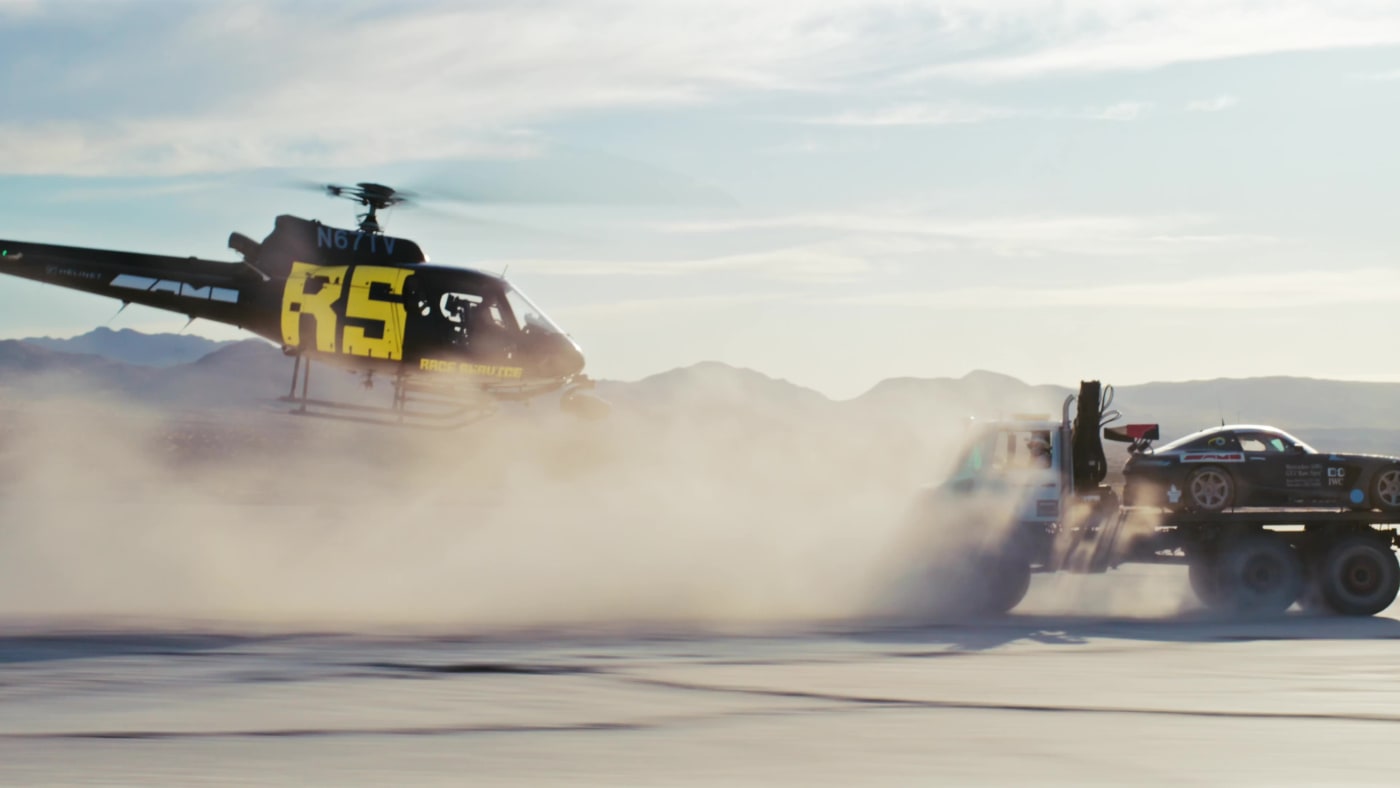
Filmmaking is rarely done in a straight line. For Ty Evans, a legend in the world of skateboard cinema who has transitioned into high-stakes aerial production, life has mirrored that philosophy. Evans' journey has been defined by a willingness to learn, a refusal to be bored, and a reliance on gear that can keep up with his pace.
We recently sat down with Evans at the hangar of Helinet in Van Nuys, California, to discuss his storied career. You can watch our full video interview below to see Evans in his element, but be sure to read on for a deep dive into his philosophy on creativity, risk, and the technology that powers his workflow.
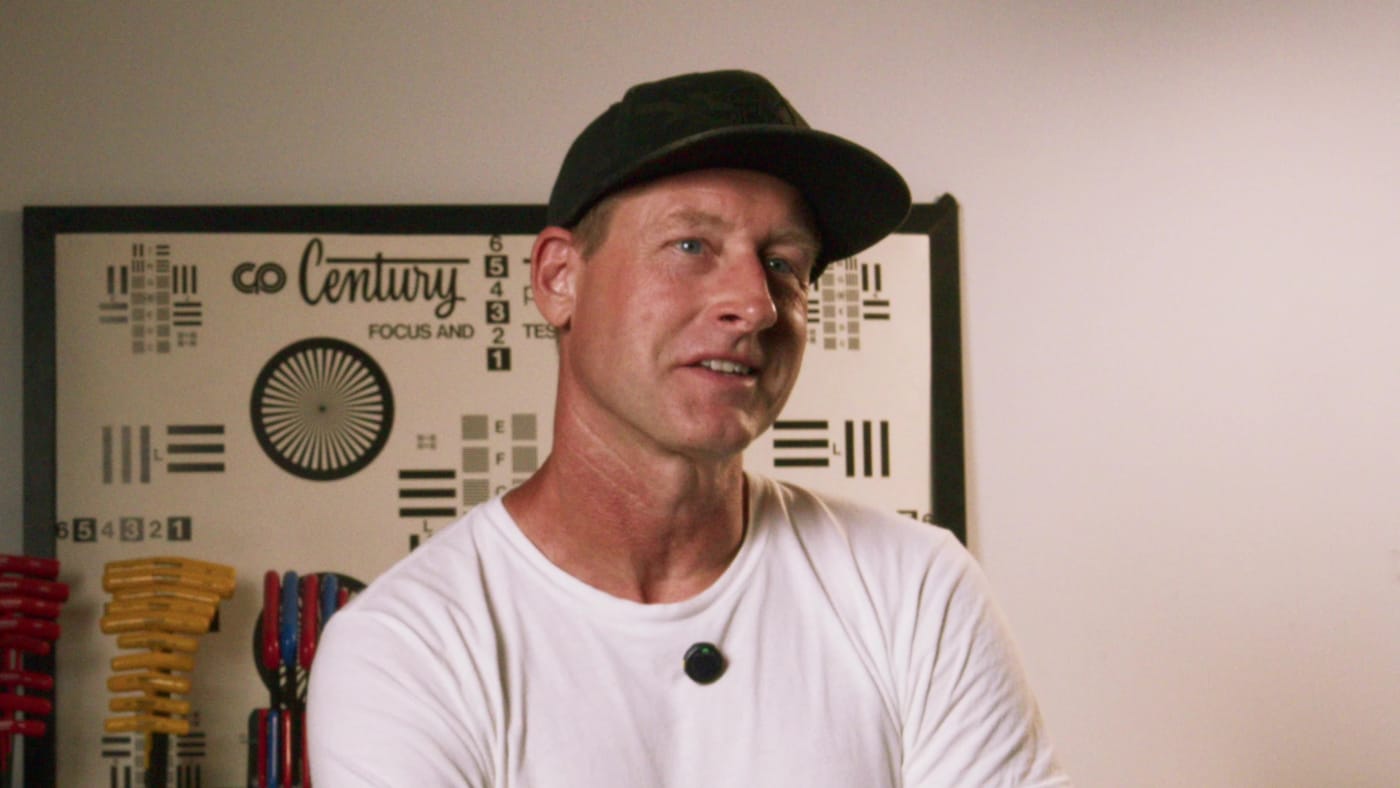
The Spark: "Photos Times 24"
Like many filmmakers of his generation, Evans’ story begins with a group of friends and a shared obsession. For Evans, that obsession was skateboarding.
"I knew I liked it, and then I saw a skate video," Evans recalls. "Seeing a skateboard video with music and how it's put together... I was like, that's it. I want to figure out how to do that."
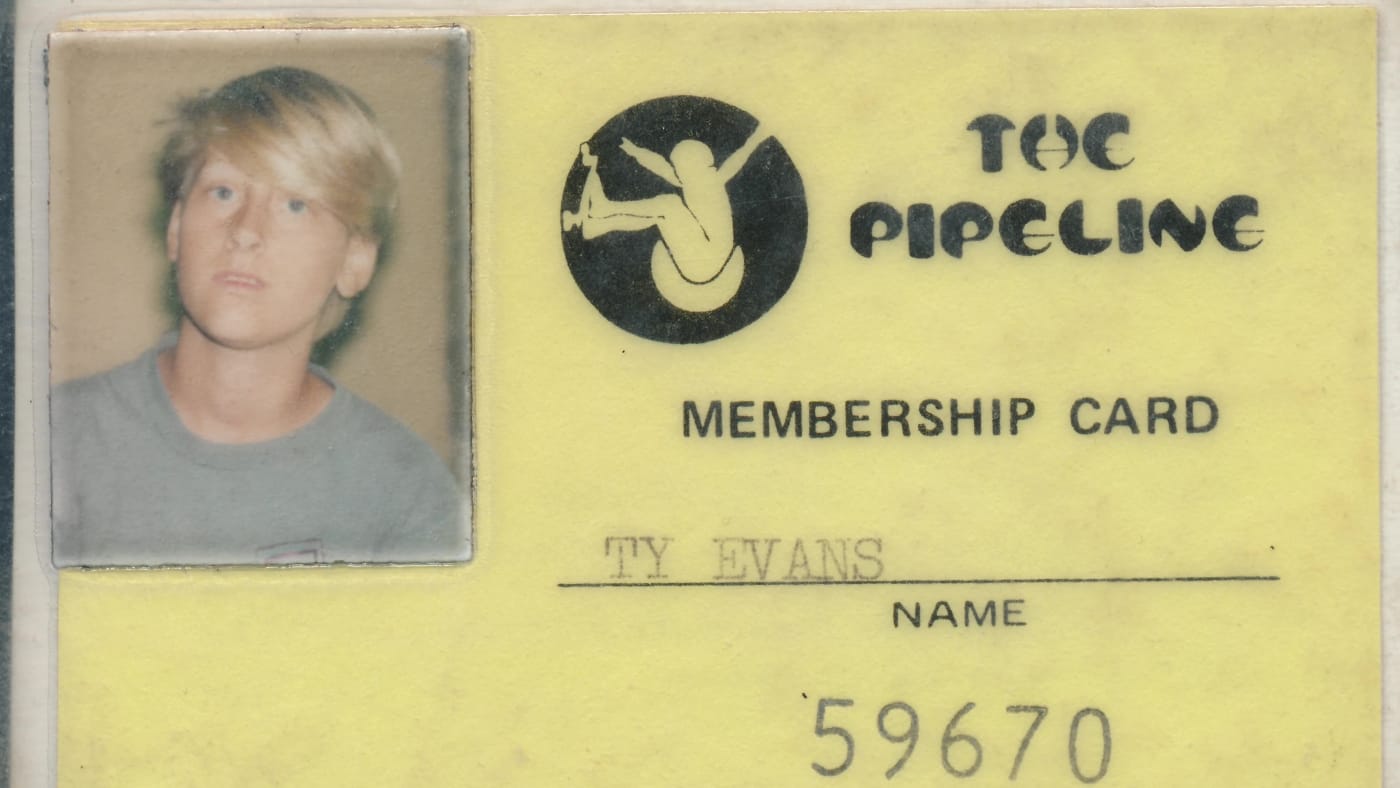
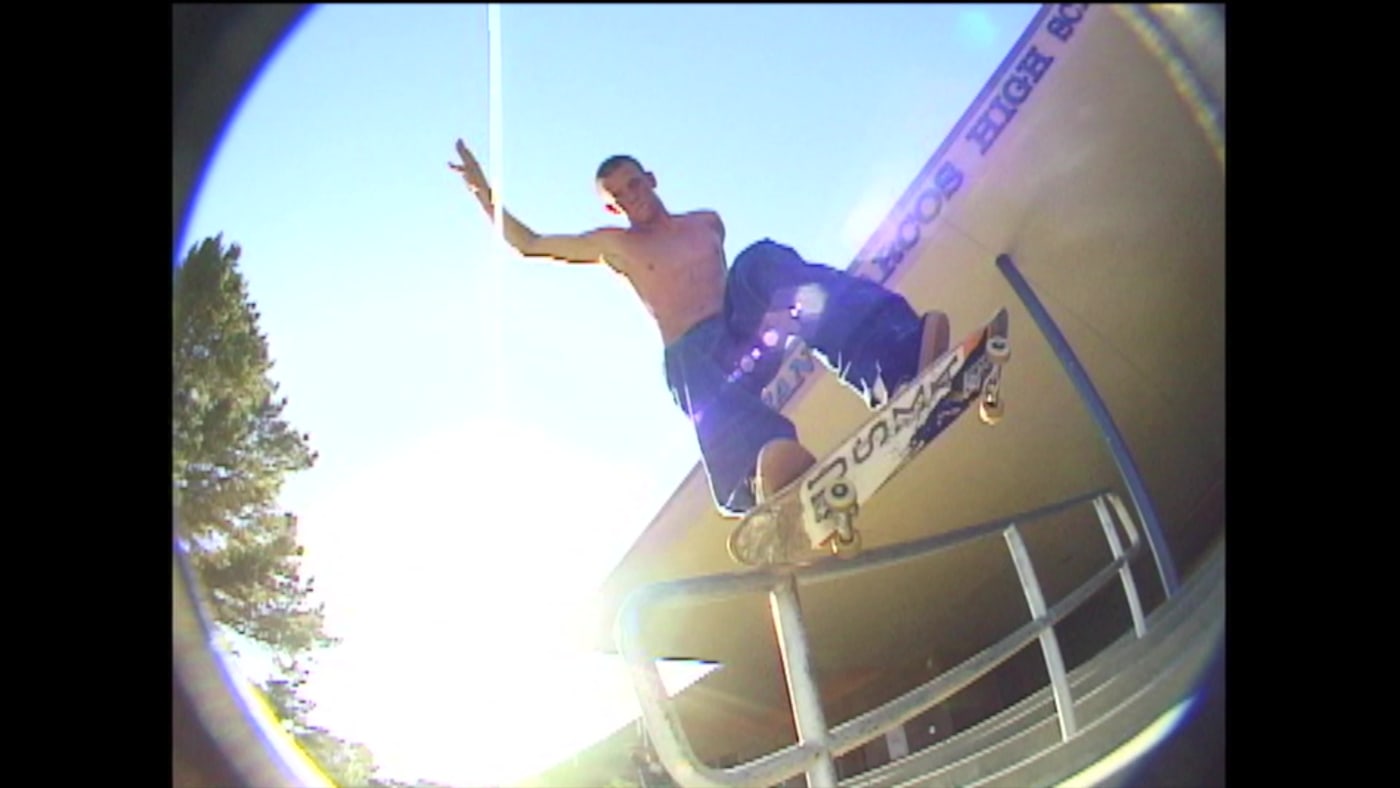
While his interest in telling visual stories started with old school film photo cameras, from a young age Evans found the mechanics of the moving image "mysterious." The realization that unlocked his career was simple but profound: "Figuring out the basics of taking a photo and realizing that [filmmaking] is just that times 24,” Evans says, referring to the number of frames per second in most cinematic films.
Starting with a Super 8 camera bought at a thrift store, Evans learned by doing—deciphering frame rates and focus rings through trial and error. As the skating talent around him improved, his filmmaking had to evolve to match it.
Filmmaking as a "Math Problem"
Evans describes filmmaking not just as an art, but as "the ultimate math problem."
"You have to figure out a solution and you never know what the problem is," he explains. "It's always shifting, always changing. And just like math, there's more than one way to solve that problem."
This problem-solving ethos is what pushed Evans to look beyond the skate world. After decades of redefining how skateboarding was captured, the urge to try new things took over. "You can only do the same thing for so long," he says. This curiosity led him from backpacks and skateboards to vans full of gear, and eventually, to helicopters.
Rebirth in the Clouds
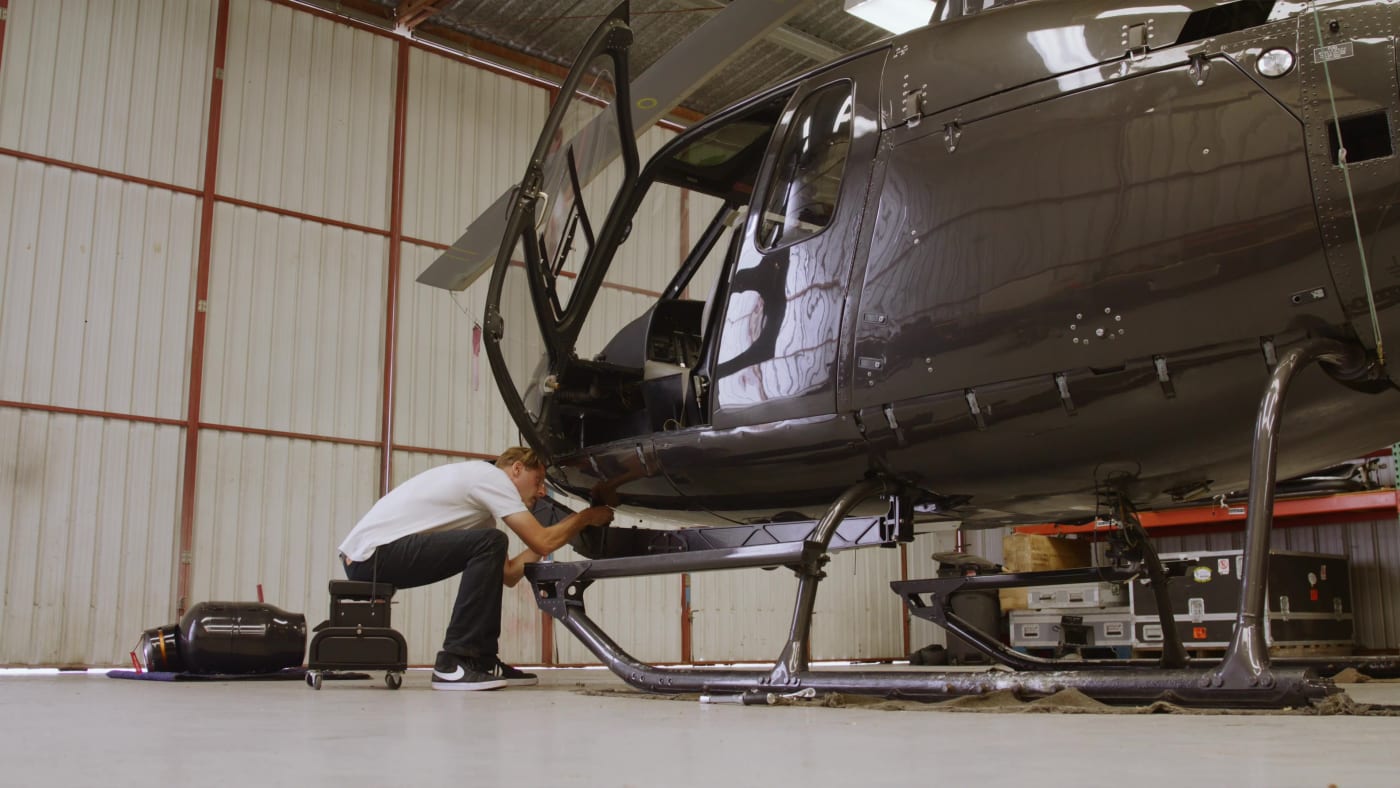
Today, Evans serves as the Director of Aerial Production for Helinet out of Van Nuys, California. Evans made the switch simply because he wanted to see what else the world held for him outside of the skateboarding world. He describes this new gig as a "crossroads" and a "rebirth" in his career.
His role involves much more than just pointing a camera out a window. It requires a mastery of logistics: rigging helicopters, building camera payloads, balancing gimbals, operating the camera, and filing flight plans with the FAA.
"It's a lot of moving parts," Evans admits, but he notes that the thrill of learning a new system is identical to his early days. "There's no difference really, from grabbing that Super 8 camera and figuring it out to grabbing a stabilized camera system... It's just a matter of putting in the work."

The Workflow: Reliability is King
Whether shooting a Super Bowl commercial, a documentary in Afghanistan, or hanging out of a helicopter, the technical demands are immense. In the aerial world, time literally equals money—specifically, the cost of aviation fuel.
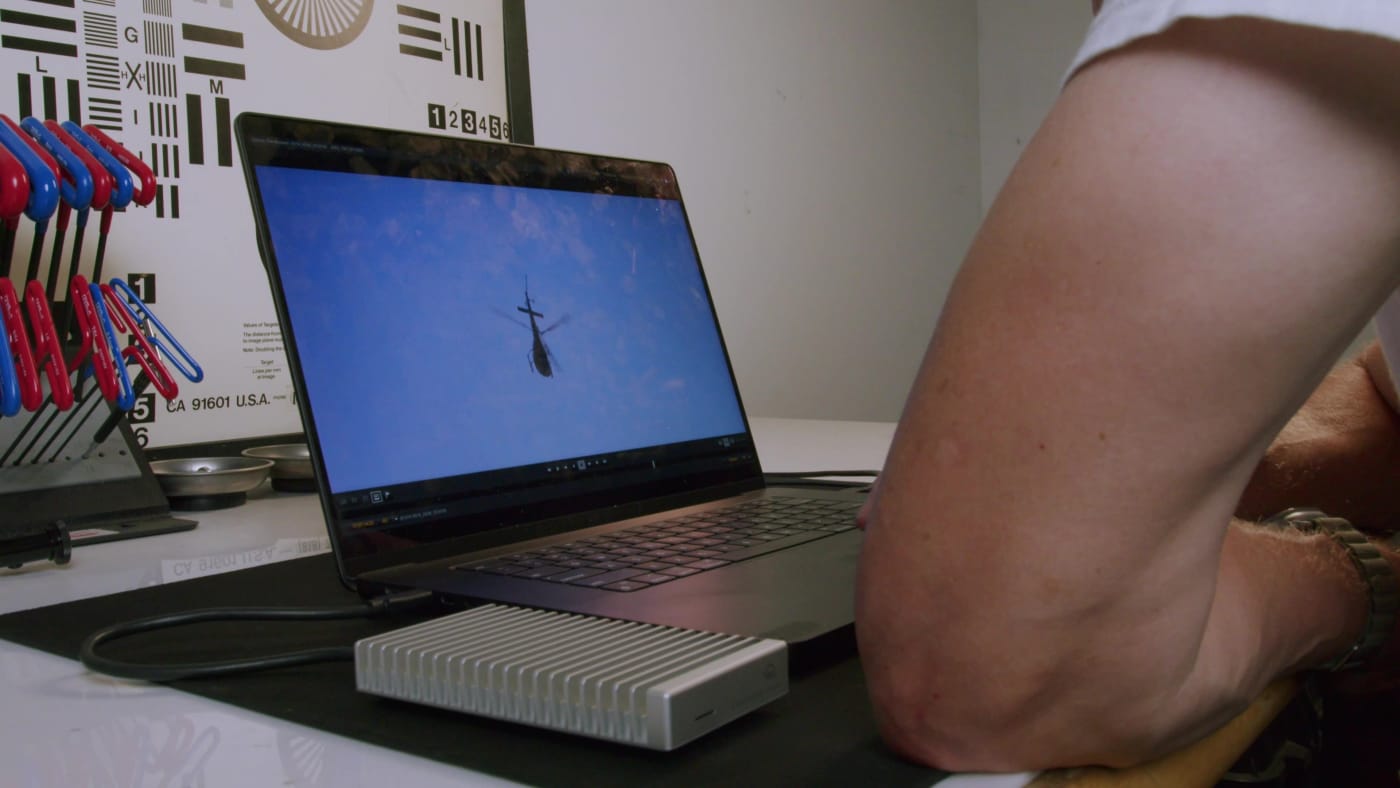
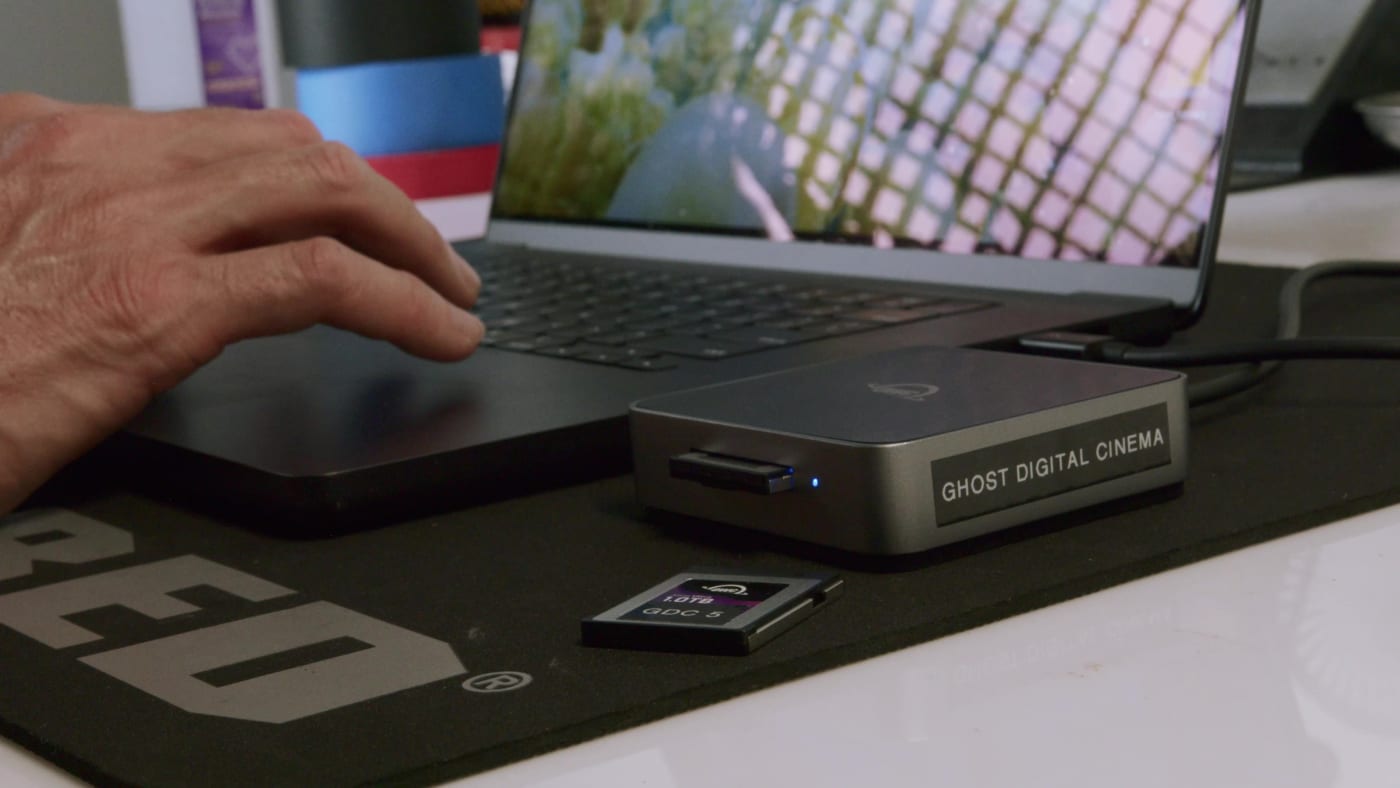
"Being able to offload a card in the time it takes to refuel in a helicopter? Game changer," Evans says. This is where OWC enters the picture.
Evans notes
that the most common question on any set is, "How long is it going to take
for that to dump?" He relies on OWC Express 1M2 drives and Atlas Ultra CFexpress Type B cards because they are "ripping fast," ensuring the Digital
Imaging Technician (DIT) can offload terabytes of footage before the helicopter
is back in the air.
No Master Plan
Despite a resume that spans music videos, feature films, and commercial work, Evans claims he never had a grand strategy.
"I've never set out like, 'I'm going to do this...'" Evans reflects. "I don't have a master plan... I enjoy the ride a lot more just seeing where that road takes me."
“I mean, we're not here that long and you’ve got to do it while you can. And if you fail, you know, at least you tried. As I've gotten older, I've come to realize I just want to take every opportunity that I can and not wish that I didn't.”
For Ty Evans, the goal isn't to reach a destination, but to keep finding new problems to solve—whether on the ground or 1,000 feet in the air.
To see Evans at work, some of the stunning footage he captures and hear more about his journey from the skate park to the skies, be sure to watch the full video interview above.
Other topics you might like

Sony’s New FX5 Brings New Sensor, Open Gate, VENICE-level Features to a Compact Cinema Camera
Updated on Jul 23, 2026


The New Portkeys LH7C is a Rugged, Bright, Yet Affordable On-Camera Monitor
Updated on Jun 16, 2026
Grab Great Audio From Anywhere with This New DPA 4097 CORE+ Micro Shotgun Microphone
Updated on May 29, 2026