 USA + International
 OWC Canda
 OWC Europe
Casting for a Moment: How DP Jon Riley Used a GSS Rig and OWC Storage to Tell the Story of Snake River Fly-Fishing
In what might be the first time a GSS has ever been mounted to a fishing boat, the resulting footage was nothing short of incredible.
Wayne Grayson • Mar 10, 2026
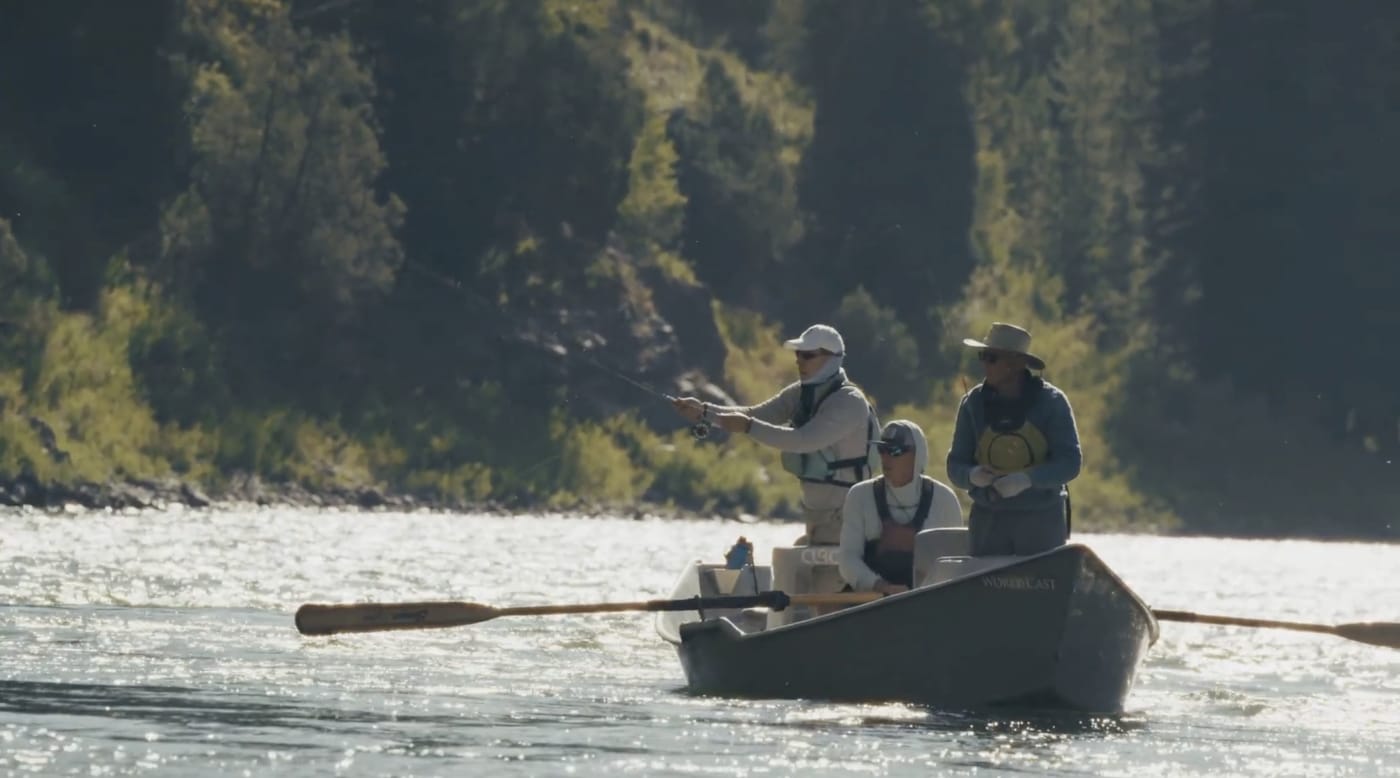
On the Snake River in Jackson Hole, Wyoming, cinematic moments don’t announce themselves. Amid the tranquility of one of the most beautiful settings North America has to offer, a fishing guide makes a perfect cast into the river’s current. Moments pass, nothing bites, another cast is made. Then another. And another. Until, in a split second, a fish decides to bite.
It’s impossible to know which cast will reel in both a fish and a moment worthy of including in a documentary. A moment where the frame captures fisherman, line, prey, and the arching spray of water that outlines the entire dance.
But those are the moments director of photography Jon Riley set out to capture for Guardians of the Snake, a documentary spotlighting the fishing guides who work this legendary stretch of water. It’s also what pushed the production into a more technical, action-sports-meets-wildlife approach.
Mounting a GSS onto a drift boat
Riley’s career spans both action sports and documentary filmmaking. And as he thought about how he would approach shooting a film that spends much of its time on water—among the most unpredictable of surfaces in nature—he knew he’d have to figure out some kind of rig that would give him a leg up on the environment.
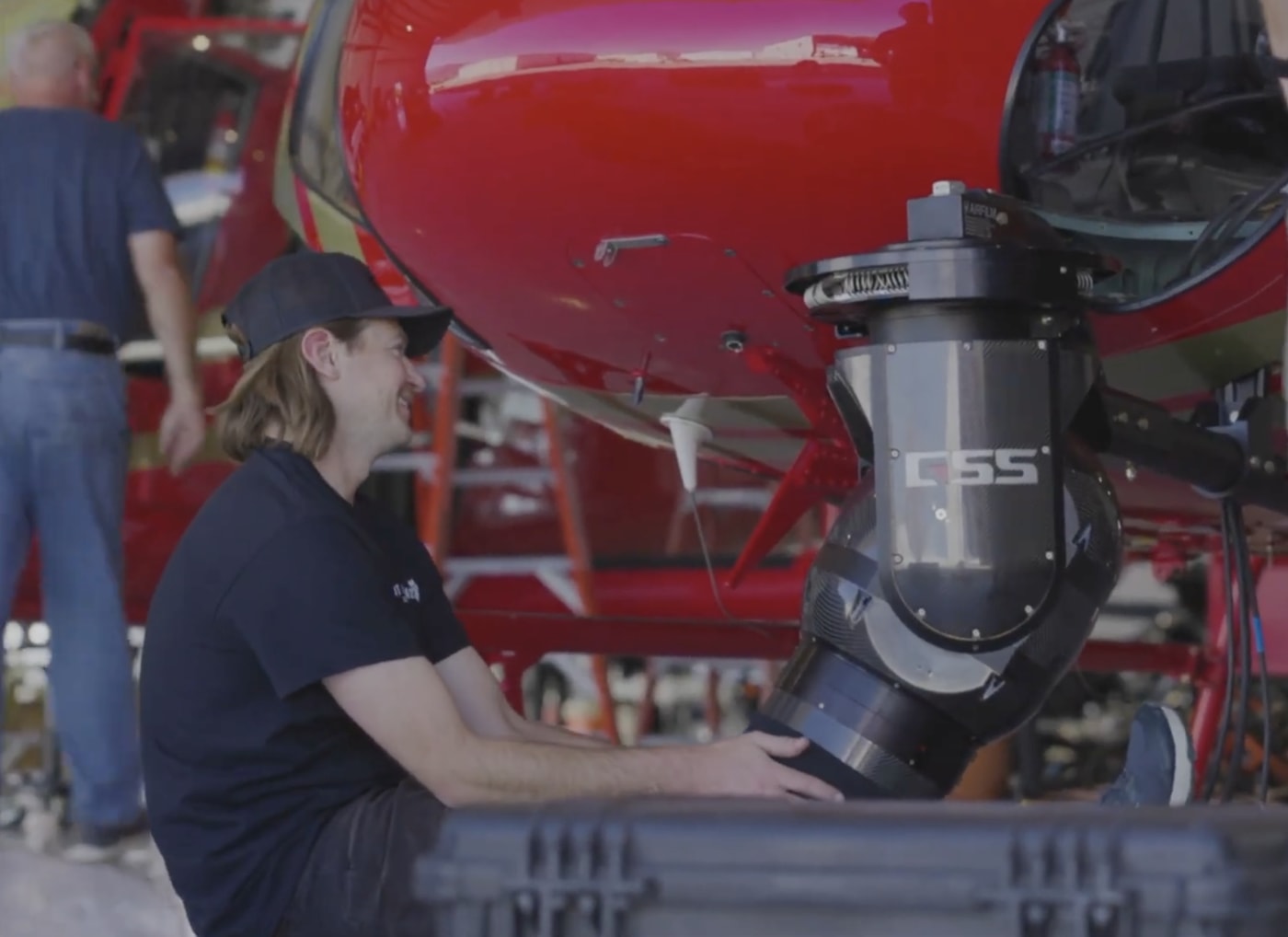
That’s when the thought of using a GSS or Gyro-Stabilized System occurred to him. GSS builds gyro-stabilized multi-axis gimbals designed to keep cameras steady on moving platforms across production, broadcast, utility, and surveillance use cases. It’s the kind of camera tech you’d normally associate with helicopters, vehicles, and other motion-heavy environments.
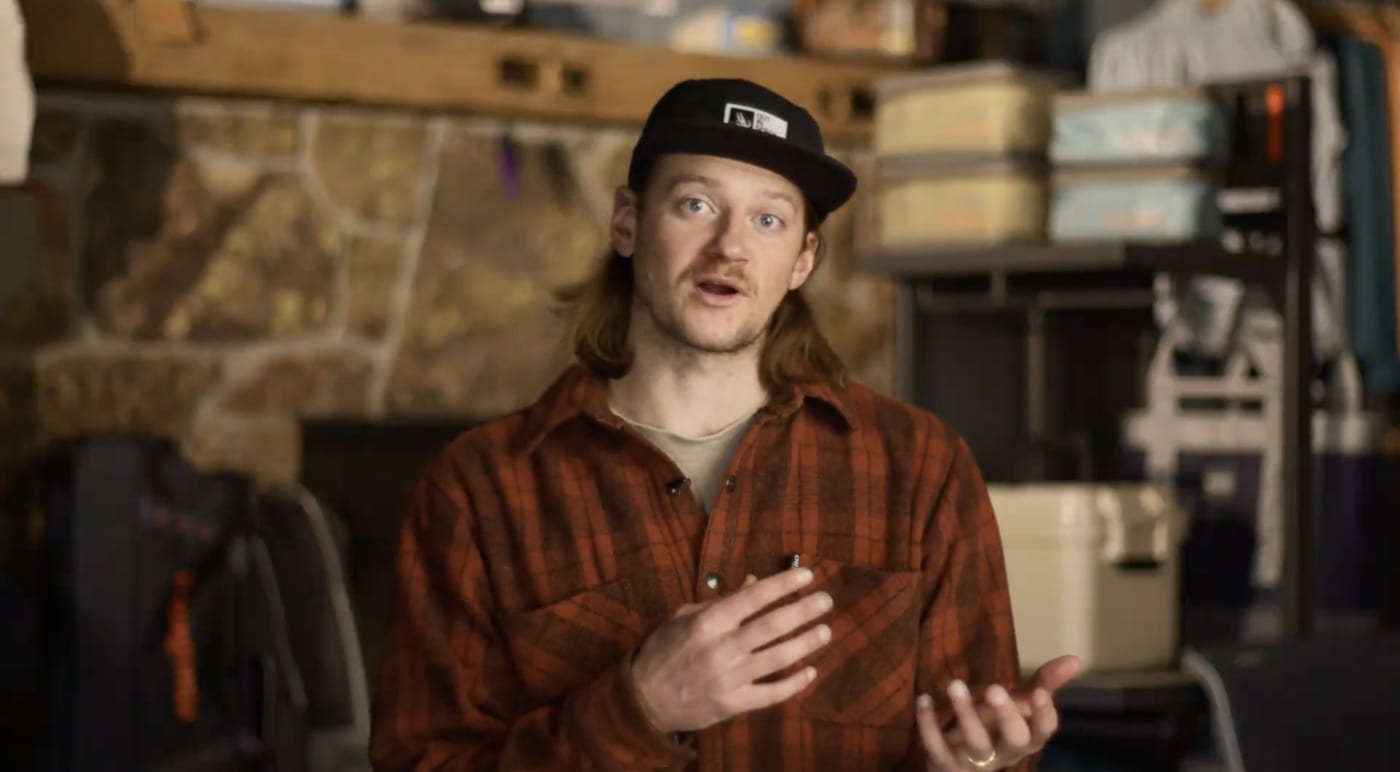
Riley thought a GSS might be a shortcut to capturing as many of those magical “hook-up” moments that deliver fish from the depths. After all, no matter what you mount your camera to, once you put that rig into a drift boat the camera is going to be in motion. And a GSS is specifically designed to provide stabilization in the most extreme situations.
But that’s not to say it would be easy to implement a GSS in a swift-moving river environment.
For starters, a GSS is expensive and complex and has specific power requirements. Typically, a system like this is mounted to something like a helicopter or a truck. How was Riley going to mount this thing to a boat?
The real-world constraints: rigging, power, space, and risk
Because there’s no off-the-shelf playbook for dropping a GSS into a drift boat, the team had to engineer the setup from scratch:
- How to physically attach the system
- Where to place batteries and power
- Where the operator could sit and work all day
- How to keep everything safe with the boat riding close to the waterline
And, as Riley put it, there’s always the fear of low-probability, high-consequence mishaps in the back of your mind—sinking, hydraulics, changing flows, and what happens to the gear if conditions go sideways.
This is where GSS’s broader ecosystem matters: the company offers not only multiple gimbal families and spec sheets, but also design services aimed at integrating stabilized platforms into new use cases. That kind of purpose-built mindset aligns perfectly with what this shoot demanded.
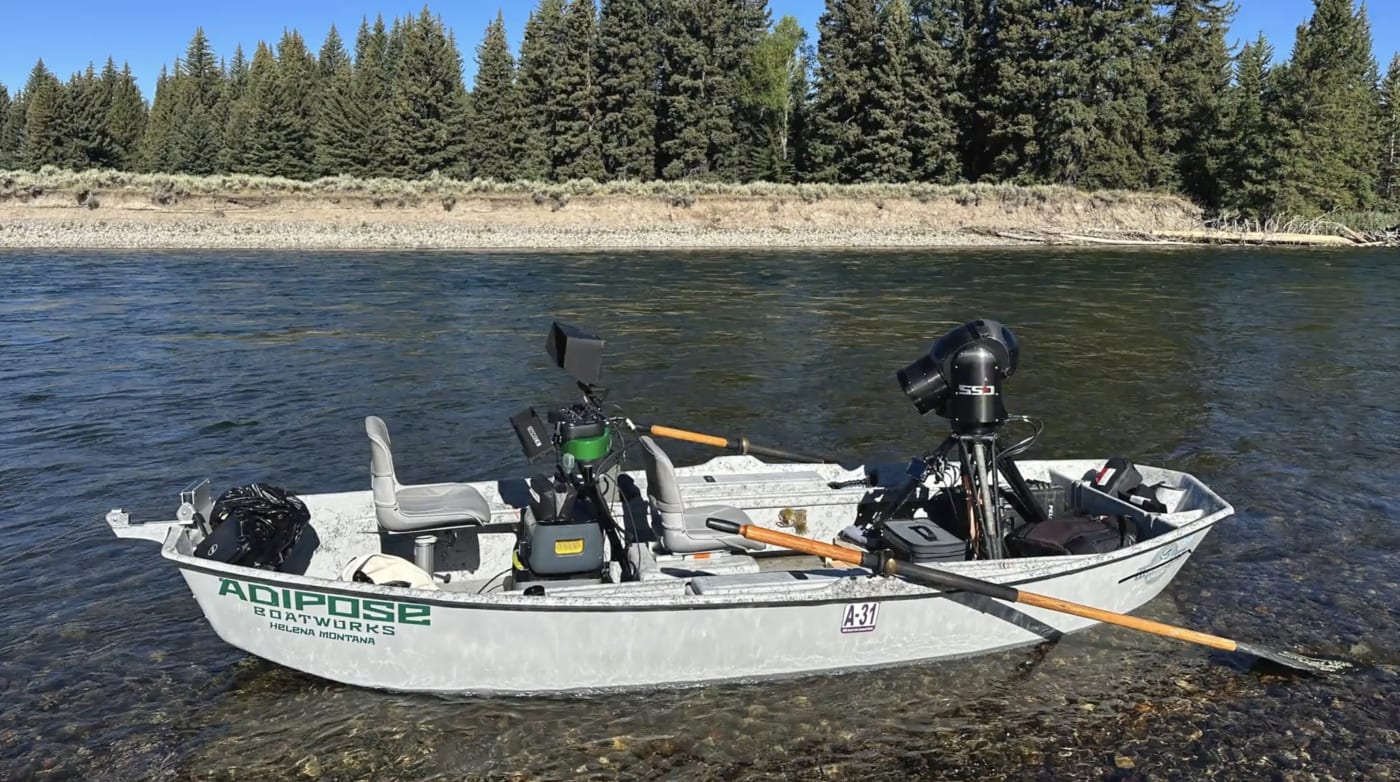
Once the GSS-rigged boat was in the water, Riley was immediately moving between tight telephoto tracking and wider compositions—fast, fluid, and cinematic. Within minutes, they could see the payoff.
“We’re seeing the images we were getting and it’s beautiful early morning light and it was just like ‘OK. This is working,” he recalls
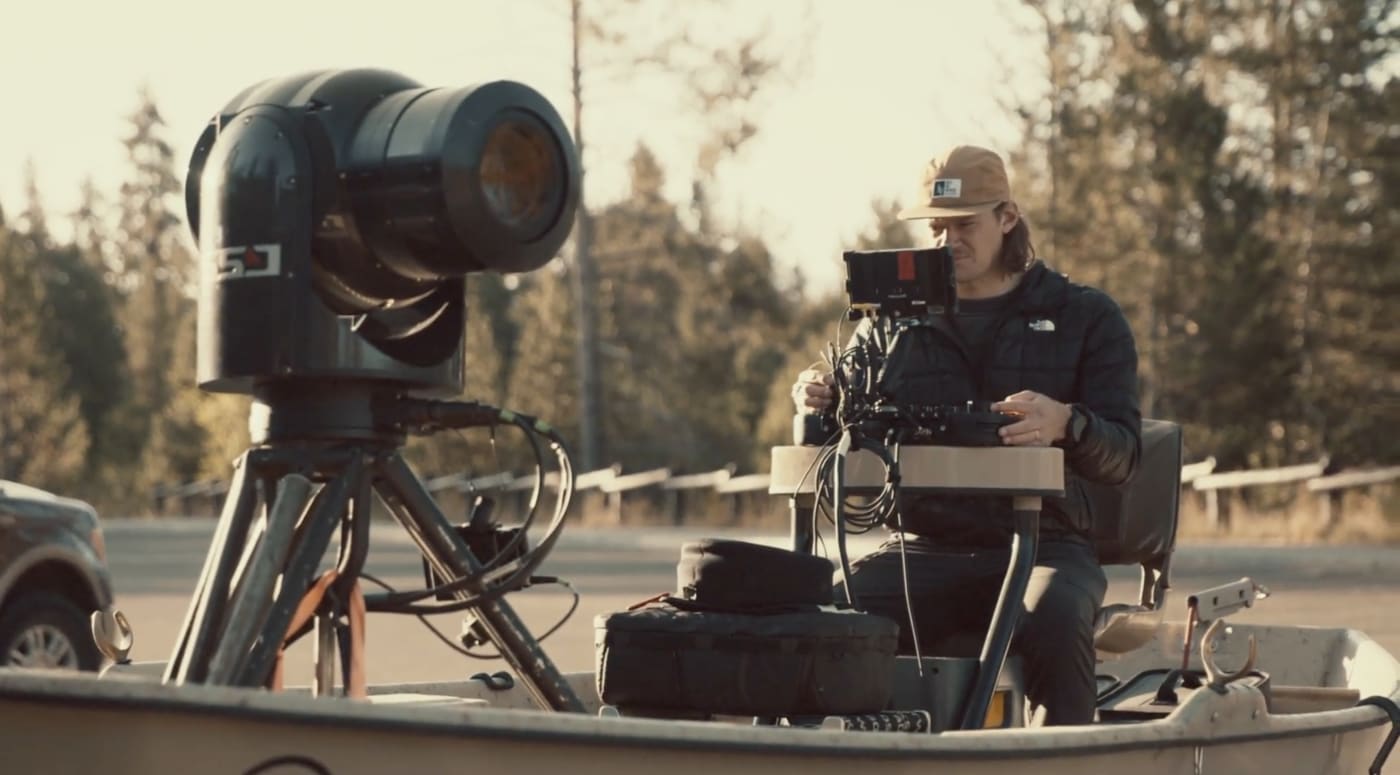
Riley said the GSS removed a huge chunk of physical and technical burden, letting the crew focus on the important stuff: timing, framing, and story.
“Having that part of it just taken care of…it’s a game changer for sure,” he says.
It was still exhausting. Riley jokes that his monitor position made him look like he was falling asleep—when he was actually staring at the camera for six hours, fighting glare and waiting for the exact right moment.
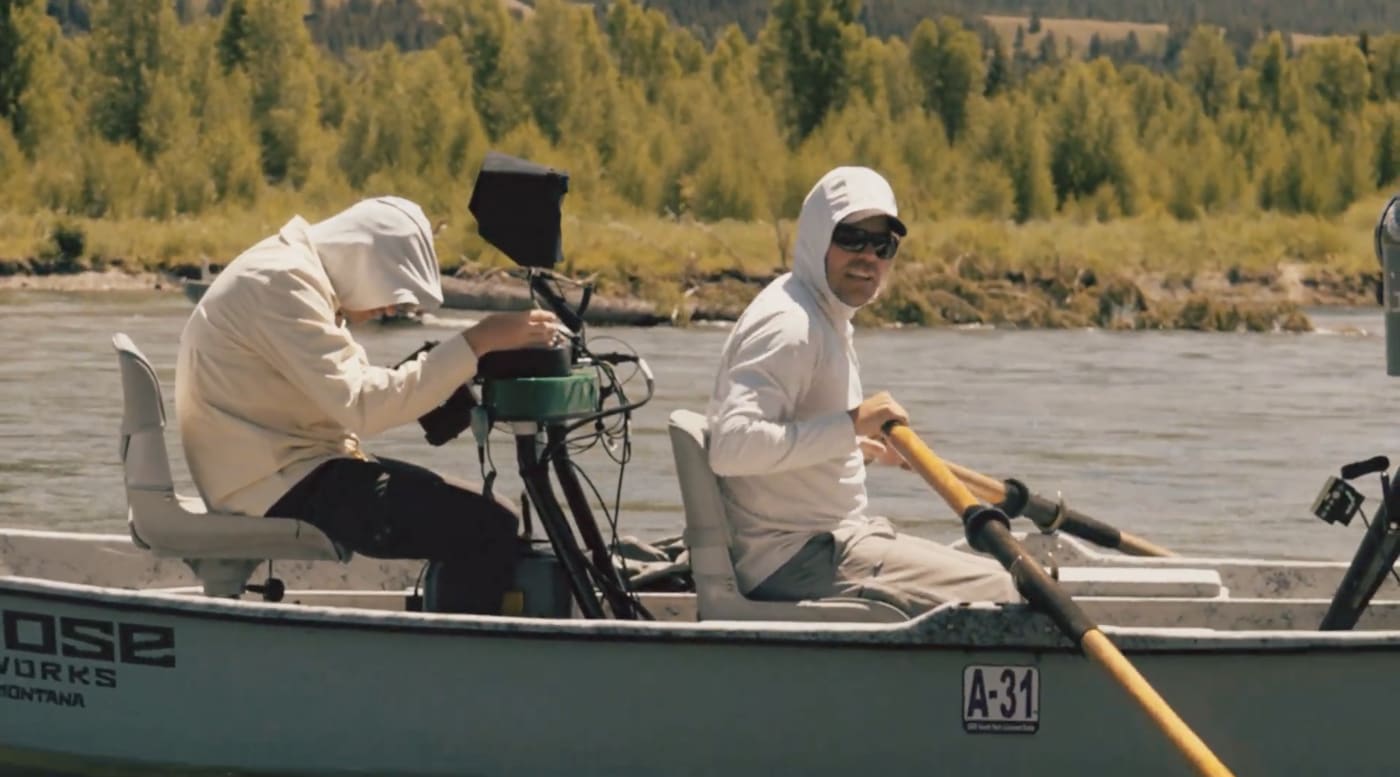
The data problem
When capturing the key moments of a film is unpredictable, a lot of times you just have to keep the camera rolling. And the GSS wasn’t the only camera Riley and crew kept rolling. There were other camera operators filming from other boats and from the shore capturing lingering detail shots and other footage. As a result, memory cards filled up quickly.
Which is why Riley and the crew committed all of their footage to OWC memory cards. Specifically, OWC Atlas Ultra CFexpress Type B memory cards. Atlas Ultra CFexpress cards deliver read speeds up to 3,650 MB/s and write speeds up to 3,000 MB/s. That means these cards not only ensure that your shoot never gets interrupted by a slow card, but also that offloading your footage takes minutes—not hours.
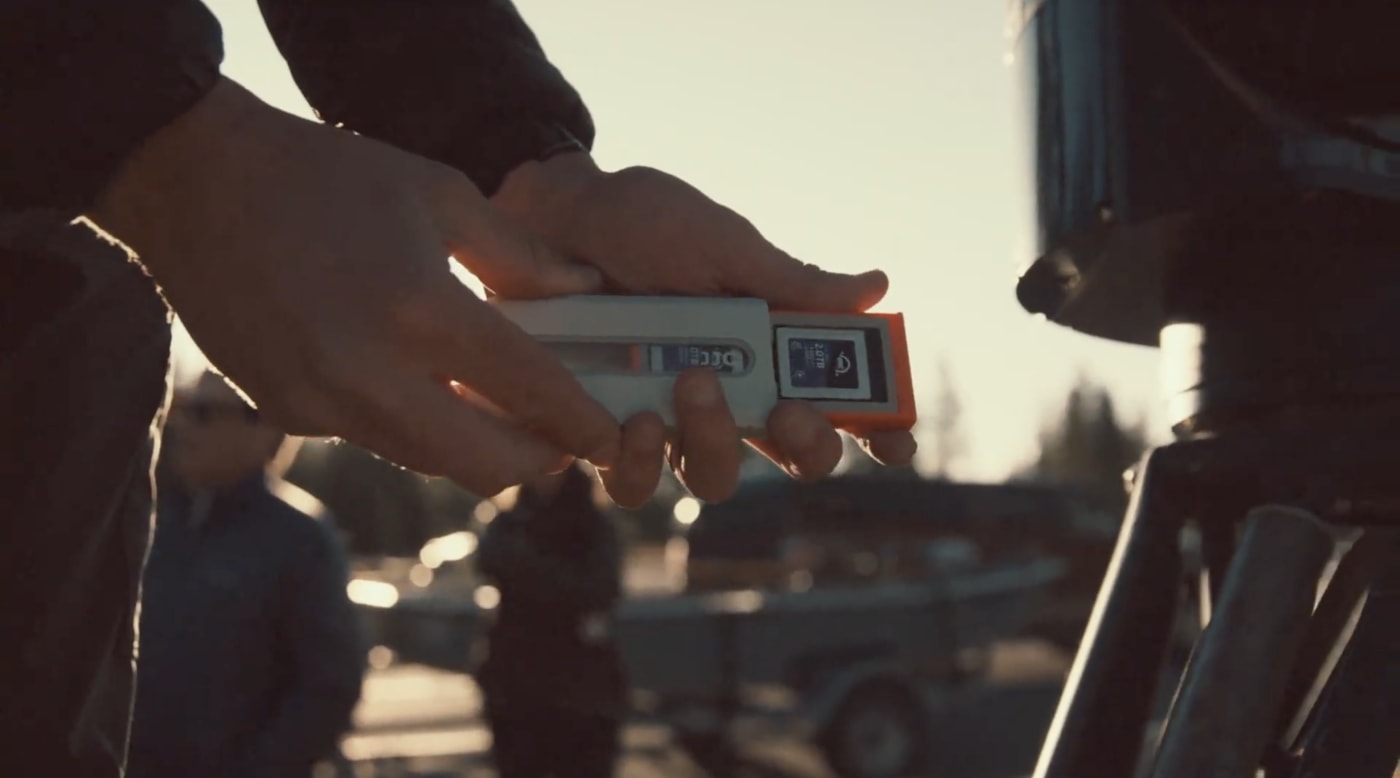
And because OWC Atlas Ultra CFexpress Type B cards come in capacities up to 2TB, Riley and his crew didn’t miss any crucial moments due to needing to swap in new cards to their cameras.
And when it came time to backup their footage, Riley and crew trusted fast, reliable desktop storage solutions like the OWC ThunderBay Flex 8.
Riley says the work he and his crew did on Guardians of the Snake represents what drives him as a cinematographer: capturing the unplanned and unscripted in a way you’re not 100% sure will work… until it does.
Other topics you might like
Get the Most Out of the New M6 and M5 Pro Mac mini with These Docks and Drives
Updated on Sep 3, 2026
How to Choose the Right Desktop Storage: Capacity, Speed, and Interface Explained
Updated on Sep 2, 2026
When to Choose Desktop Storage Over Portable SSDs
Updated on Sep 2, 2026

How Much Backup Storage Do You Really Need?
Updated on Aug 21, 2026