 USA + International
 OWC Canda
 OWC Europe
Mountain Lodge Meets Music Magic: Inside Dark Horse Recording with Dave Hagen
How Grammy-winning engineer Dave Hagen and Dark Horse Recording create life-changing experiences for artists—powered by reliable OWC storage and connectivity solutions.
Wayne Grayson • Jun 04, 2026
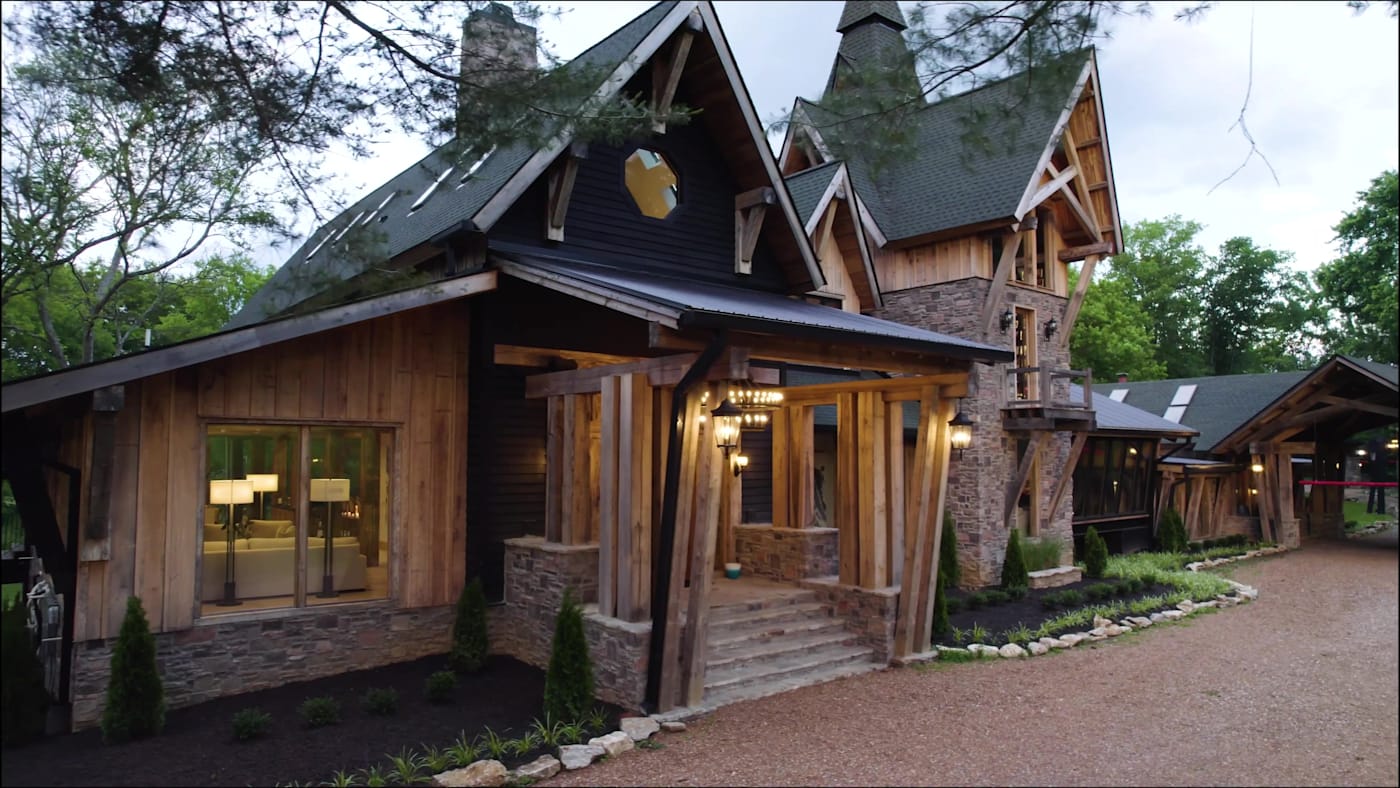
When you step into Dark Horse Recording in Franklin, Tennessee, something shifts. The rough-cut timber, soaring ceilings, and natural light pouring through floor-to-ceiling windows feel more like a mountain retreat than a commercial recording studio. And that’s exactly the point.
“Dark Horse is designed to be different than all the other studios around town,” says Dave Hagen, the studio’s head engineer and director of education at Dark Horse Institute. “There’s so many boxes around town that are great studios, really cool, great gear, great microphones. But the owner of Dark Horse, Robin Crow, really had from the very beginning this mountain lodge approach to building spaces.”
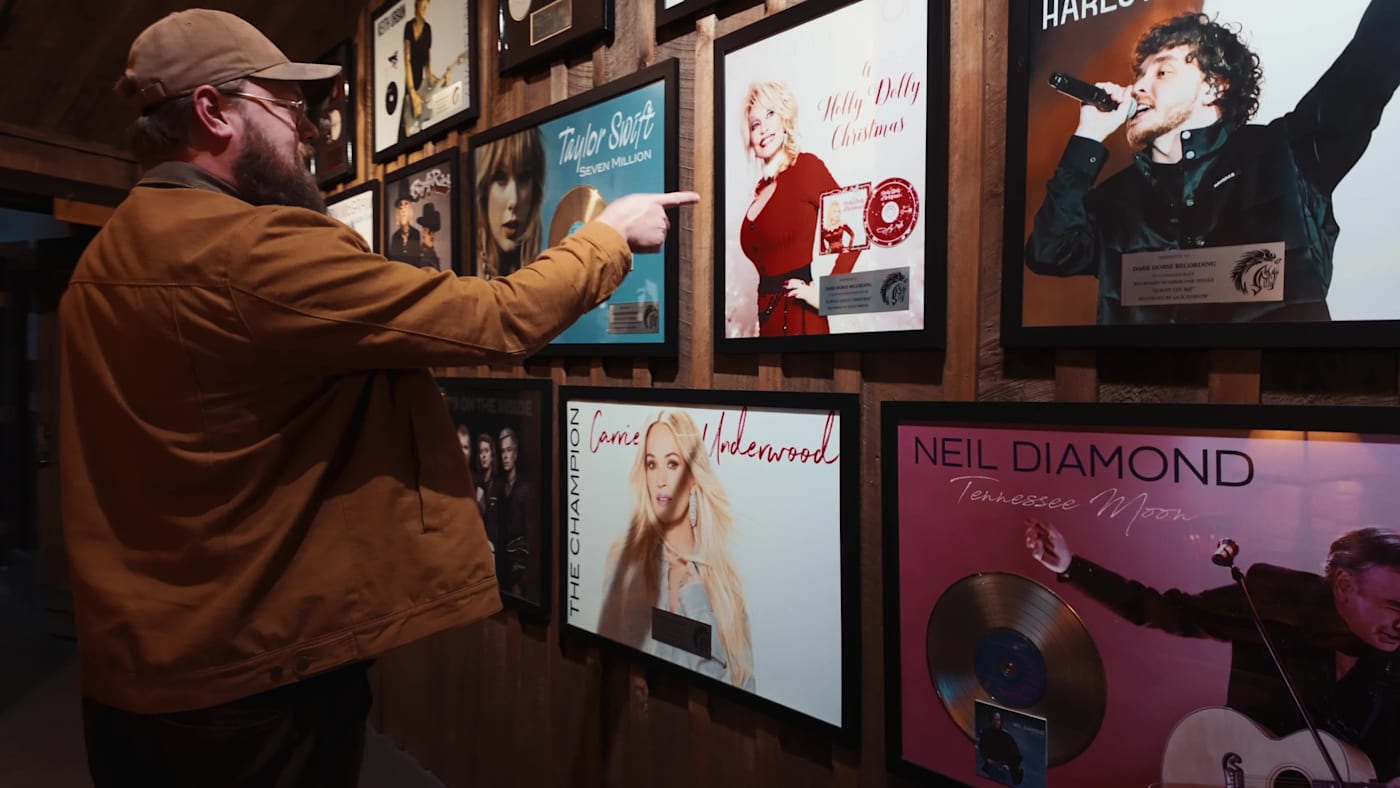
That approach has transformed Dark Horse into one of Nashville’s most sought-after studios, attracting everyone from Taylor Swift and Keith Urban to Dolly Parton, Carrie Underwood, and Matchbox 20. But for Hagen, who’s been working almost exclusively at Dark Horse since 2007, the magic isn’t just in the gear—it’s in the experience.
From Construction Worker to Grammy-Winning Engineer
The studio’s unique character traces back to owner Robin Crow, a former touring musician who played thousands of college shows and opened for acts like Yes and Peter Frampton. After years on the road, Crow channeled his entrepreneurial energy into building something different.
“He bulldozed this property so that he had a big hole in his yard that he’d have to deal with,” Hagen recounts with a laugh. “Then he got some barn builders out to put up a bunch of sticks, and he did a bunch of work himself, traded with carpenters for studio time.”
Hagen’s journey to Dark Horse began with an internship. Fresh from working construction, he arrived in Nashville with a dream of learning audio engineering on the job. “I showed up just after Taylor Swift was here. I was assisting on Keith Urban and Tim McGraw,” he recalls.
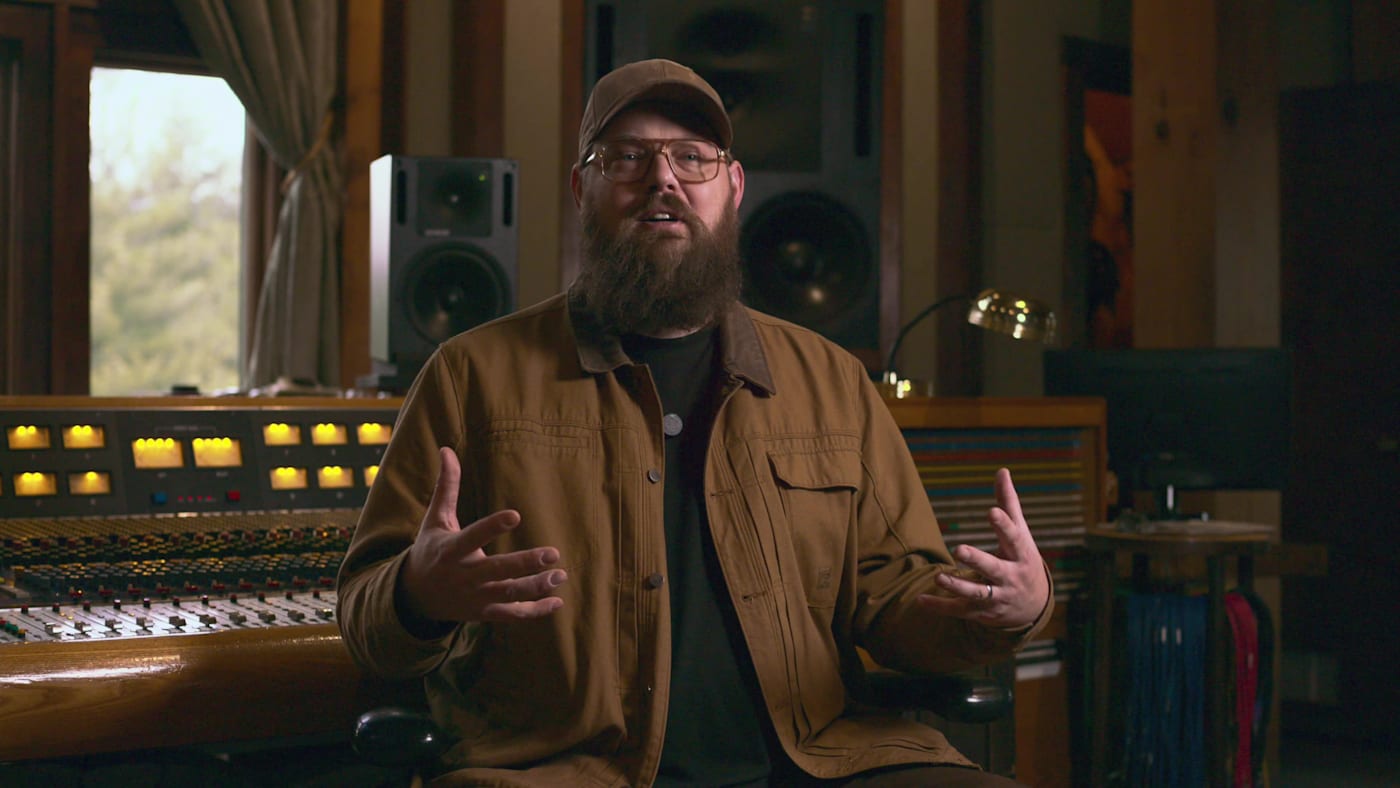
His construction background became an unexpected asset. “Honestly, that’s part of the reason I’m still around,” Hagen explains. “When I was interning, I knew how to help [Robin] build his studio, build his dream.”
Over 18 years, Hagen worked his way up from intern to freelance engineer to head engineer. Along the way, he won a Grammy for mixing and built a reputation for producing, engineering, and mixing projects that help independent artists create what he calls “life-changing” experiences.
“We take them in and we help them do the full production of their albums and help bring their music to life,” Hagen says. “Very often, we’re cutting live vocals right here in the control room, and it just feels very much like a different sort of live experience where the band is very immersed in the process.”
What started as a home studio has evolved into a multi-facility complex including the Lodge, the Barefoot Studio for overdubs, the Manor residence building, private apartments, and classrooms for Dark Horse Institute.
Building Around the Artist Experience
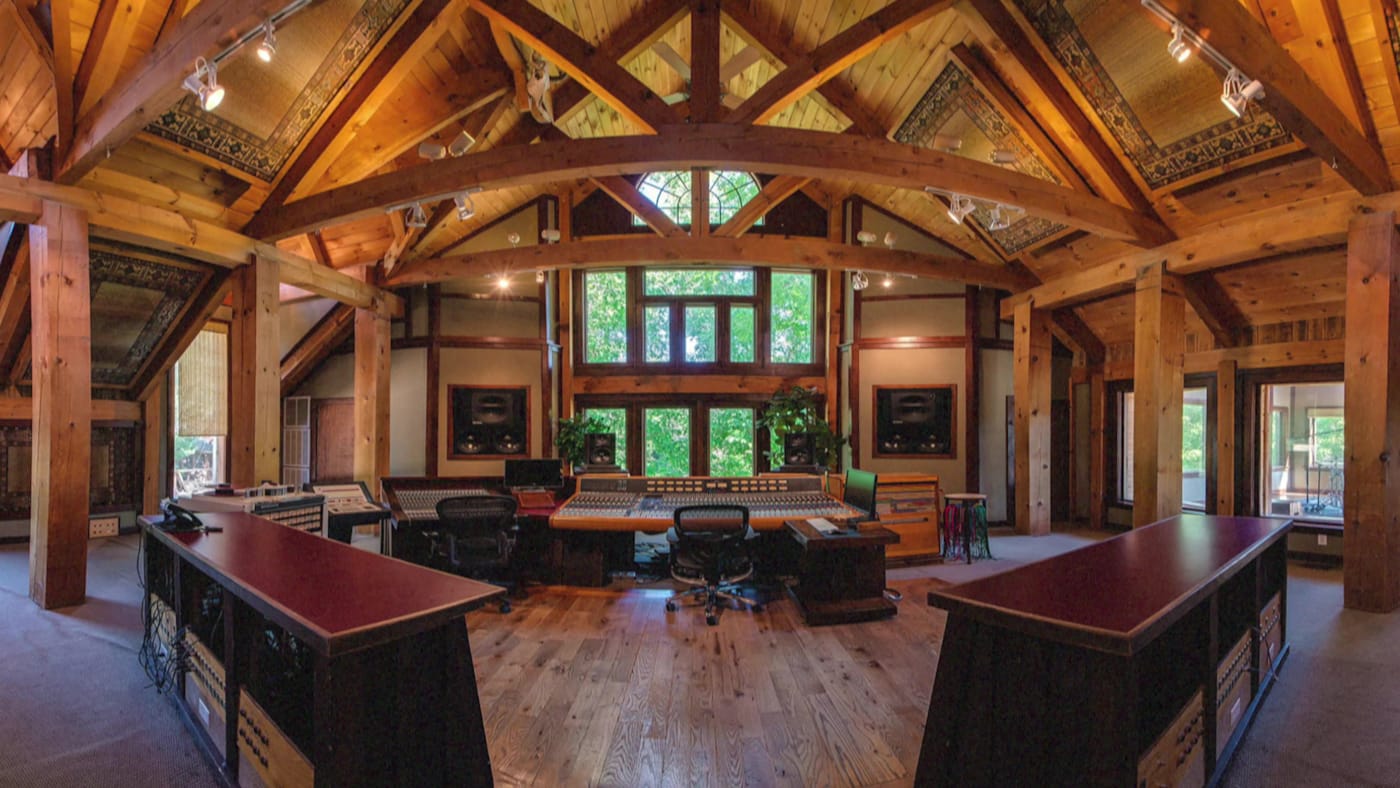
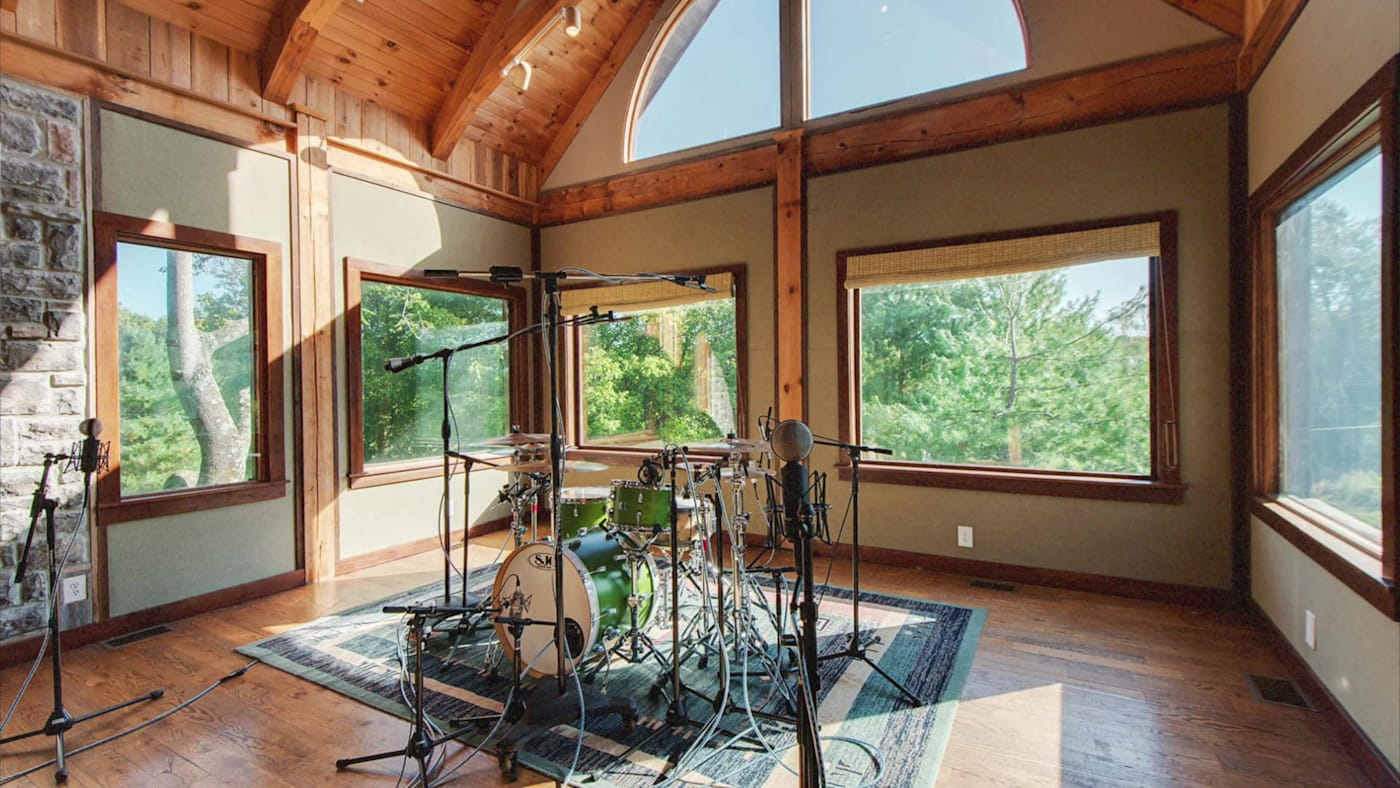
What makes Dark Horse special starts with the space itself. The Lodge, the studio’s main room, features a rare Trident Series 80 console with custom modifications. “One of a kind; you’ll never see another one laid out like this,” Hagen notes. The drum room boasts tall ceilings and windows, keeping the space connected with nature and the outside world—a rarity for a Nashville studio that drummers love.
But the real differentiator is how sessions flow. “The space is designed a little differently than a lot of studios,” Hagen explains. “Generally, most of the band will sit in the control room and I’ll have the singer just right in front of me, with their mic and guitar player over here and extra guitar and keys and bass, and everybody’s got an eyeline to each other.”
This configuration puts the artist at the center of the action rather than isolated in a booth—a small shift that creates a profound difference in the creative energy, Hagen explains.
The attention to experience extends to preparation. “We always try to pay particular attention to their first impression as somebody is walking in and getting to see the space for the first time,” Hagen says. “When we do Christmas records in the middle of the summer, we always have buckets full of Christmas decorations that come out.”
The result? Artists feel like they’re on vacation or at a creative retreat, not punching a clock in a commercial studio.
Protecting What Matters Most
In a creative sanctuary like Dark Horse, the last thing anyone wants is a technical failure to derail the magic. That mindset extends to Dark Horse Institute, the audio engineering and music business school also owned by Crow that gives its students hands-on experience through Dark Horse Recording studios.
For Hagen and his students at Dark Horse Institute, data management isn’t just about organization. It’s about protecting irreplaceable performances and maintaining creative momentum.
“If it’s in one place, you are borrowing it. If it’s in two, you’re renting it, and if it’s in three, you own it,” Hagen tells his students. It’s his cardinal rule for data storage, born from years of experience in professional audio production. (It’s also a profound extrapolation on the 3:2:1 data rule that we subscribe to here at OWC.)
The challenge intensifies when you’re juggling multiple projects, moving between studio and home setups, and mentoring the next generation of engineers. Every session file, every take, every mix represents hours of creative work that can never be recreated exactly the same way twice.
Hagen’s relationship with OWC began almost immediately after moving to Nashville. “I was sort of on the hunt for hard drives, and that was the immediate, like, ‘What? I need a pro-level drive. What should I get?’ And I was immediately directed, ‘Yeah, go to this company.’”
His first purchase—a Mercury Elite FireWire 400 drive—was the beginning of a nearly two-decade relationship with OWC products. Today, his workflow relies on multiple OWC solutions working in concert.
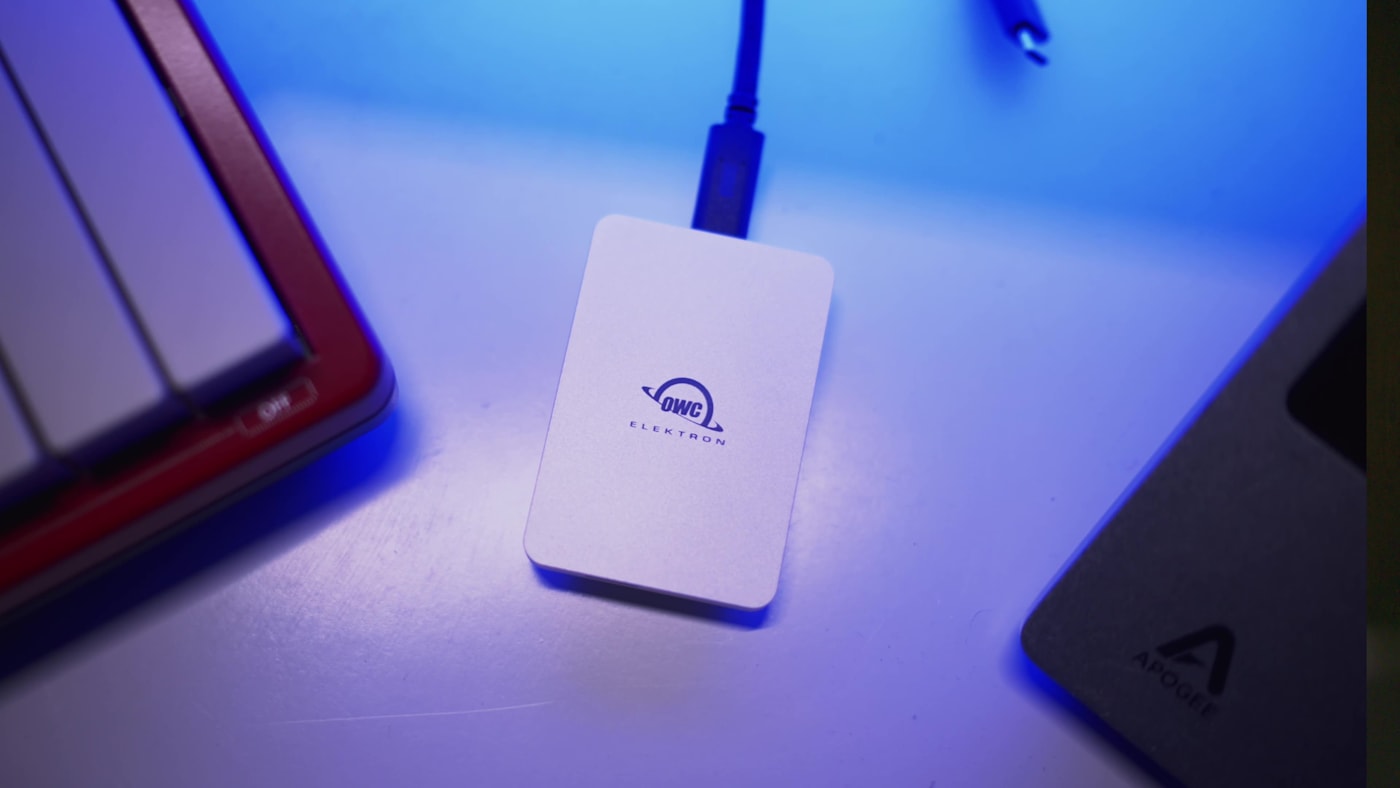
OWC Envoy Pro Elektron: The Daily Driver
“Right now I’m carrying daily an Envoy Pro Elektron 1TB drive. It’s this little bus-powered thing that’s bulletproof,” Hagen says.
The Envoy Pro Elektron has become his constant companion, fitting seamlessly into his laptop pouch for easy transport between home and studio. With transfer speeds up to 1011MB/s and an IP67-rated crushproof, dustproof, and waterproof design, the Envoy Pro Elektron delivers professional-grade performance in a highly pocketable form factor that’s smaller than a pack of cards.
For audio professionals like Hagen, this combination of portability, speed, and durability is essential. Large multitrack sessions with dozens of audio files demand fast read/write speeds to prevent latency during playback and editing. The Envoy Pro Elektron’s advanced NVMe technology ensures smooth performance even with demanding 24-bit/96kHz sessions.
Key Envoy Pro Elektron features that matter for audio production:
- Up to 1011MB/s real-world performance for handling large session files
- Bus-powered via USB-C for true portability
- IP67 rating withstands the rigors of studio and field recording
- Available in capacities up to 4TB for extensive project libraries
- Silent, fanless operation won’t interfere with recording
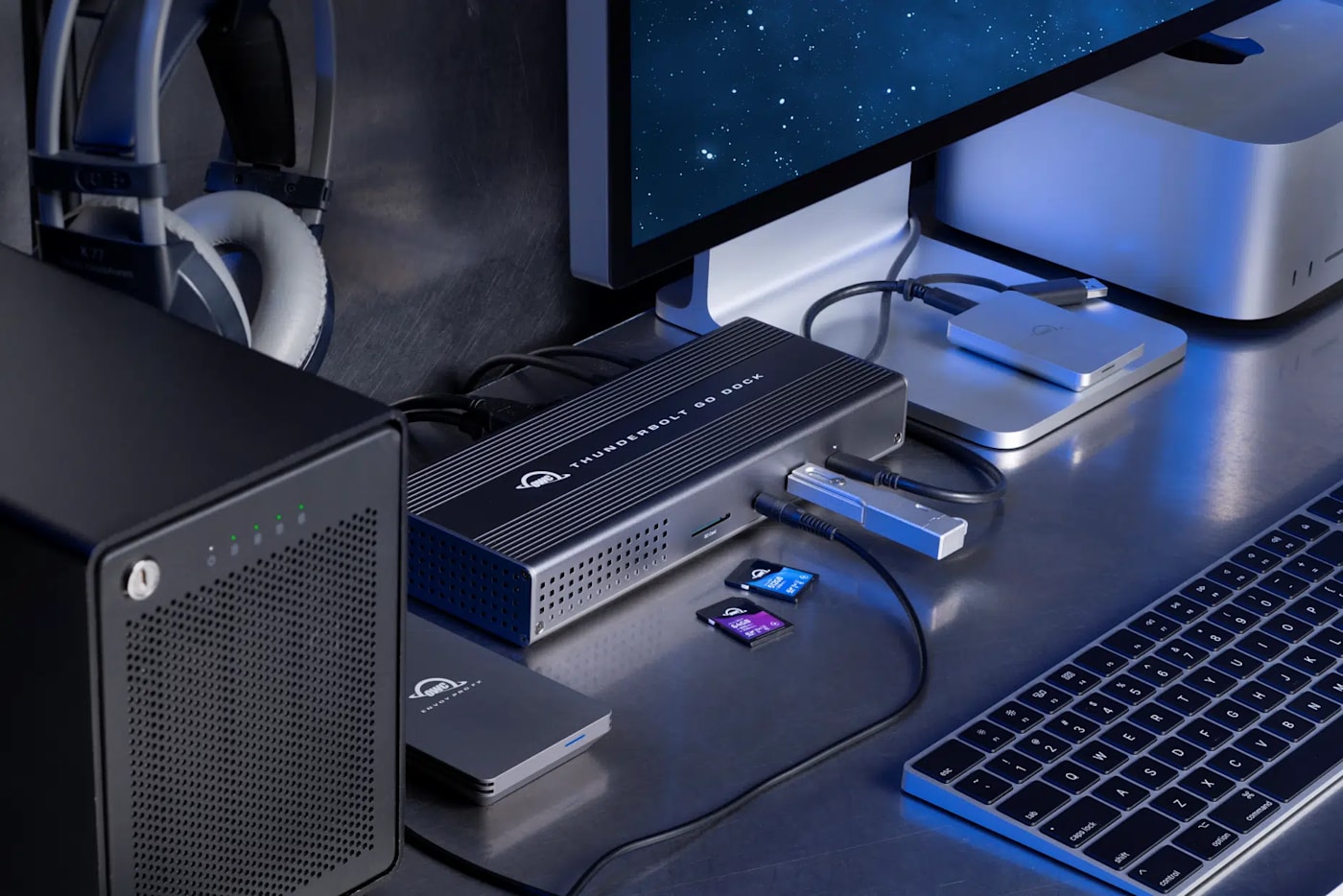
OWC Thunderbolt Go Dock: A Complete, One-Cable Setup
Across the studio, Dark Horse keeps its workstations connected with OWC 14-port Thunderbolt Docks. At home, Hagen’s setup centers around another OWC dock that he finds works especially well for audio professionals. “I have my home studio set up with a Thunderbolt Go Dock,” he says. “So when I bring my laptop, which I still mix on at home, I set it down, plug one cable in, and everything in my home studio’s hooked up—all my interfaces, my devices. I have a lot of controllers, TV, speakers.”
The Thunderbolt Go Dock eliminates the cable chaos that typically plagues mobile workstations. For an engineer who’s “sick of the laptop mess of all the cables coming out everywhere,” the Thunderbolt Go Dock’s 11-port connectivity and built-in power supply represent a game-changing simplification.
“It’s just absolutely wonderful to just go click and I’m done,” Hagen adds. This single-cable solution means he can transition from studio to home mixing environment in seconds, maintaining consistent workflow and avoiding the frustration of reconnecting multiple peripherals every time.
Why the Thunderbolt Go Dock works for audio professionals:
- 11 ports including 3 Thunderbolt 4 ports for audio interfaces and storage
- Built-in power supply eliminates bulky external adapters
- Up to 90W power delivery keeps laptops charged during long mixing sessions
- 2.5 Gigabit Ethernet for fast file transfers to NAS systems
- SD card reader for quick ingestion of field recordings
- Rugged aluminum construction with fanless design for silent operation
Teaching the Next Generation
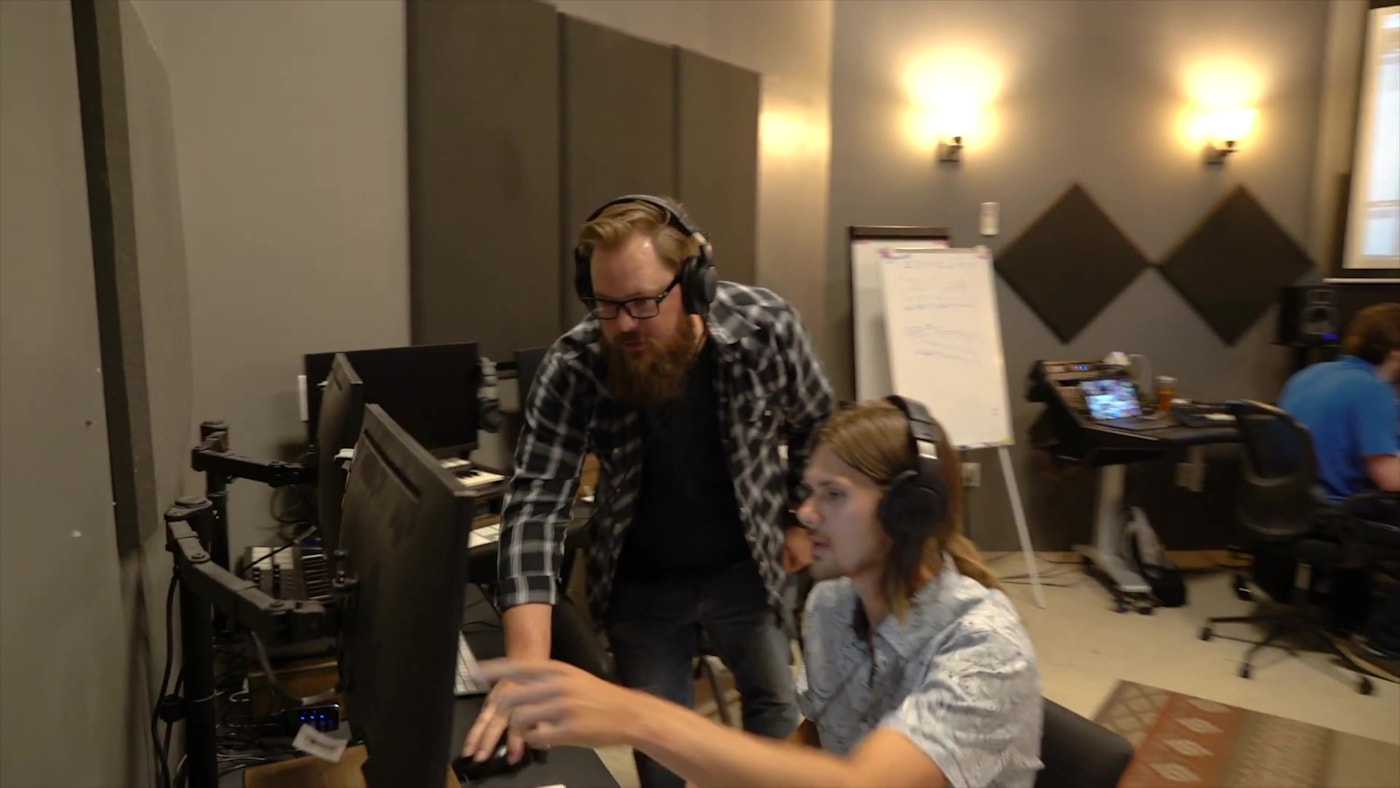
As director of education at Dark Horse Institute, Hagen doesn’t just use OWC products—he recommends them to every student. “Anytime you’re buying a drive, you should always be considering ‘What’s something I can get multiples of that are durable, that are going to last me a long time, that are convenient?’” Hagen explains.
“Look for something big enough that you can kind of carry with you and work off of it for an extended period of time,” he adds. “But it doesn’t have to be the biggest thing ever, because ultimately you need more space in duplicity. You need more backups than you do keeping everything in one giant drive.”
Hagen’s teaching approach mirrors his engineering philosophy: hands-on, practical, and relationship-driven. He urges his students to prioritize mentorship in their education. “It’s all about being next to people that already do this, that already make great music, and the mentorship of them kind of pouring back their experience into your growth and your learning,” he says.
At Dark Horse Institute, students don’t just learn technical skills—they learn professional workflows, backup strategies, and the importance of reliable tools. “You can do it trial and error, but it’s going to take you five times as long and another 10 years of your life trying to learn how to get good at this stuff,” Hagen observes. “When you sit next to someone who’s amazing at it, it’s amazing how much you can pick up in a very short amount of time.”
This commitment to mentorship extends beyond audio engineering. Students learn about the music business, songwriting, and how to navigate the creative and commercial aspects of the industry. And they learn it all in a space specifically designed to inspire creativity.
Where Reliability Meets Creativity
As Hagen reflects on his 18 years at Dark Horse, the connection between reliable technology and creative freedom becomes clear. “I’ve been here 18 years and I still, if I leave for a week and come back in, it’s always sort of just like I smell it, I feel the different energy when you walk into a space like this,” he says.
That energy depends on everything working seamlessly, from the Trident console to the OWC drives protecting every take. When artists are in the zone, capturing magic, the last thing anyone needs is a technical failure breaking the spell.
“We try to create an environment that just feels like you want to just kind of hang out there, and then you also get to make music along the way,” Hagen explains.
For engineers and producers looking to build their own reliable workflows, Hagen’s approach offers a roadmap: invest in quality tools you can depend on, maintain rigorous backup practices, and choose solutions that simplify rather than complicate your creative process.
Building Your Own Reliable Workflow
As our tour of Dark Horse concludes, standing on the rooftop deck looking out over the property, the integration of vision, craftsmanship, and technology becomes clear. Robin Crow’s architectural vision created the space. Dave Hagen’s engineering expertise captures the performances and the imaginations of the students of the Institute, and reliable OWC solutions protect the results.
“This is pretty special,” Hagen says, surveying the space. After 18 years, the wonder hasn’t worn off.
Whether you’re running a world-class facility like Dark Horse or building your first home studio, the principles remain the same. Hagen’s experience demonstrates that professional workflows require:
1. Fast, Portable Storage
The OWC Envoy Pro Elektron exemplifies the “daily driver” approach—fast enough for active projects, tough enough to survive real-world use, and portable enough to go wherever creativity strikes.
2. Simplified Connectivity
Solutions like the OWC Thunderbolt Go Dock eliminate the friction of connecting and disconnecting multiple devices, letting you focus on the work rather than cable management.
3. Redundancy at Every Level
Following Hagen’s rule—“if it’s in three places, you own it”—means planning for multiple copies across different drives and locations.
Other topics you might like


How NRG Recording Studios is Bringing its Historic Archive Into the Modern Era
Updated on Sep 22, 2026

Inside The Owl Studio: Where Nashville Neighborhood Vibes Meet a Modern Recording Workflow
Updated on Sep 18, 2026

How Canyon Studios Keeps the Creativity Flowing — and in Sync — From Nashville to L.A.
Updated on Aug 25, 2026