 USA + International
 OWC Canda
 OWC Europe
Storyteller of the Sea: Filmmaker Kyle Roepke Creates Work in Service of the Ever-Changing Canvas of the Ocean
Wildlife and underwater cinematographer Kyle Roepke travels the world capturing remote marine ecosystems—and trusts OWC to make sure the footage makes it home safely.
Wayne Grayson • Apr 22, 2026
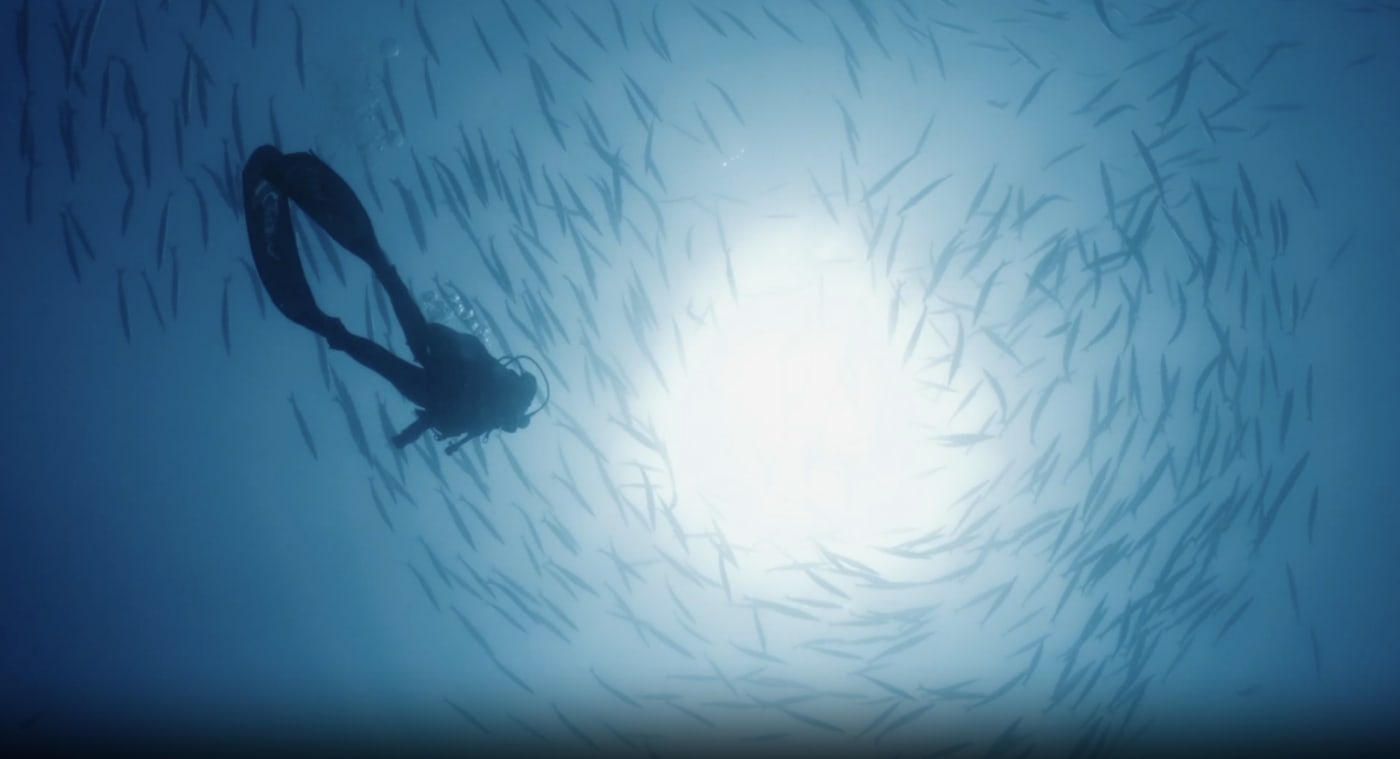
Oftentimes for outdoors and nature filmmakers, the most indelible moments are the ones that catch you by surprise. For cinematographer Kyle Roepke, one such moment was a chance encounter with an animal that is quite literally larger than life.
While driving alongside the ocean one day, Roepke saw a huge plume erupt from the ocean. He quickly grabbed his camera and rushed to the water, sliding in before kicking toward its source. Moments later, a massive figure emerged from below and Roepke found himself swimming alongside a bull sperm whale, one of the largest animals in the world.
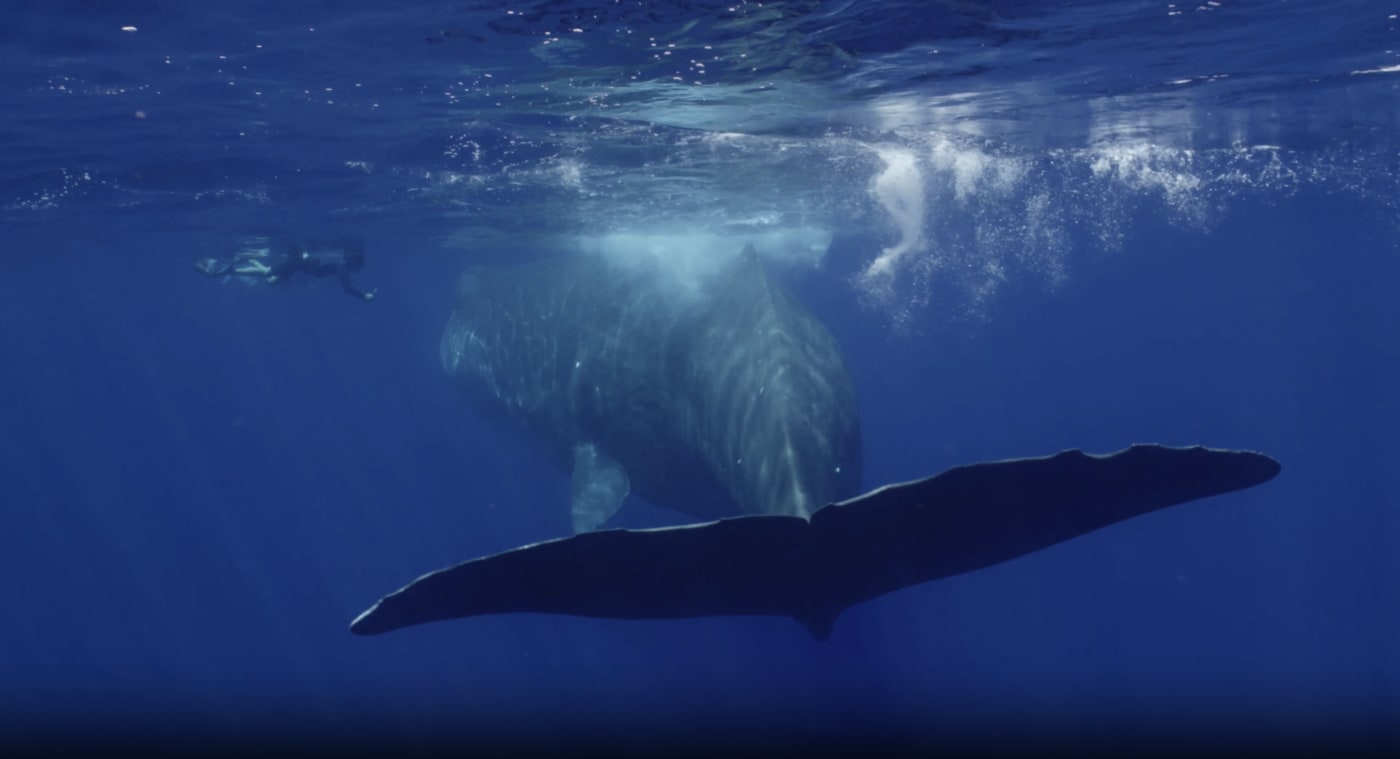
Roepke remembers that the whale was covered in scars. “And it struck me how large and how vast and how powerful this animal was, but how peaceful it was in front of me,” he says. “It just glowed.”
“And as it swam away, I really didn't know what to think. My heart was pounding. I was just left with the most incredible sense of joy and respect.”
Roepke spends much of his time searching the depths of the ocean for moments like that. Not for the thrill alone, but out of a desire to share them with others. Roepke believes these are the moments and images that have the power to change how people relate to the ocean and to the communities that depend on it.
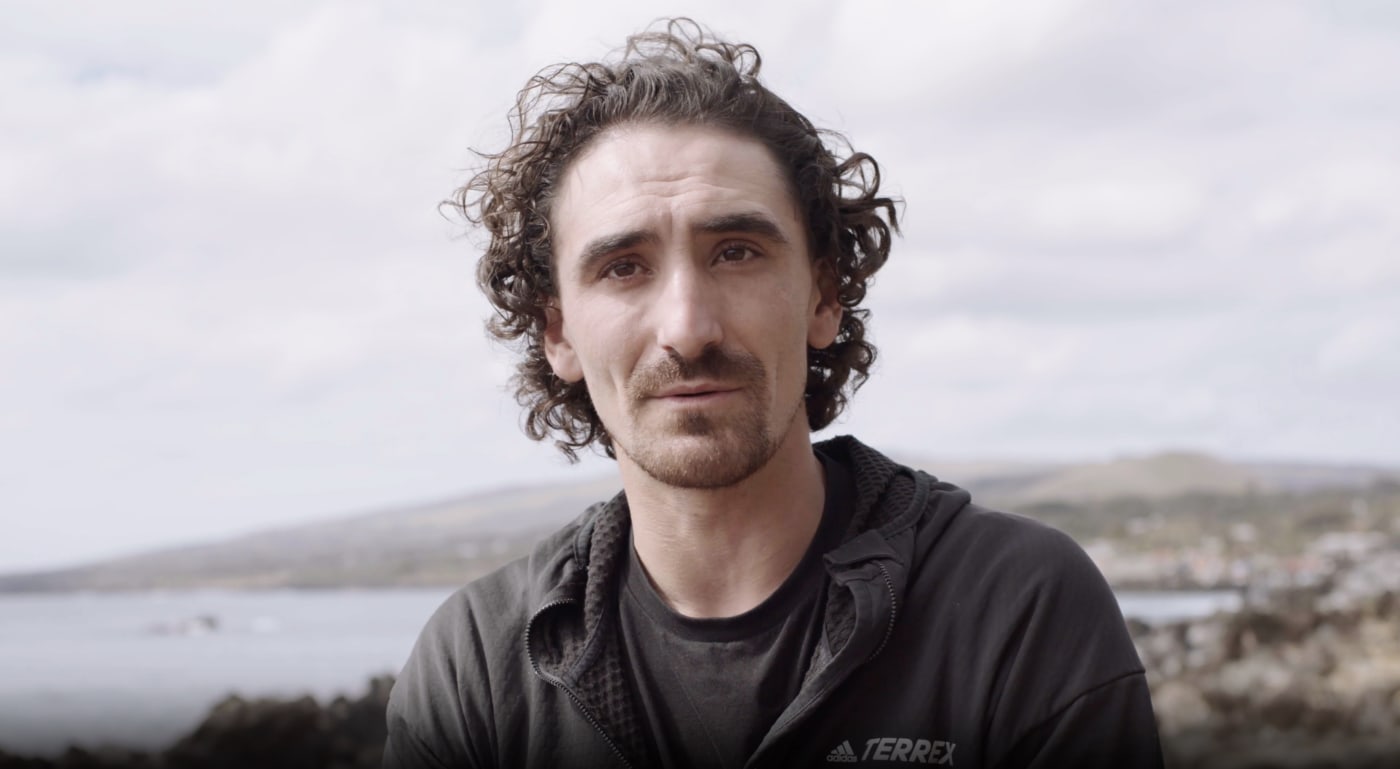
From Wedding Videos to the World’s Oceans
Roepke’s path to the ocean wasn’t straightforward.
He started out shooting weddings, commercial photography, and working in reality television, learning the fundamentals of storytelling and camera craft on the ground before ever touching an underwater camera housing. Over the course of a decade he worked his way through the industry, pursuing internships and, eventually, collaborations with conservation organizations, pushing his way toward bigger productions and more meaningful work.
Along the way, he discovered his passion was leading him below the surface.
“My level of understanding from the beginning was quite little,” he says, “but I had lots of passion and lots of energy. Realizing that you can’t do everything creates the experiences you need to learn that you can.”
His first underwater jobs were as an assistant camera operator and the experience proved invaluable. Working alongside non-profit marine conservation groups, Roepke got hands-on time with industry-leading cinema systems—RED cameras, Phantom 4K Flexes, and a range of underwater housings and optics—learning not just how to operate them, but how each one rendered light, color, and movement beneath the surface.
When it came time to buy his own kit, he didn’t hesitate. “I wanted to do it right,” he says. “So I saved as much money as I could, took the giant leap, and bought a RED Komodo X and an underwater housing.”
The Physics of Filming Underwater
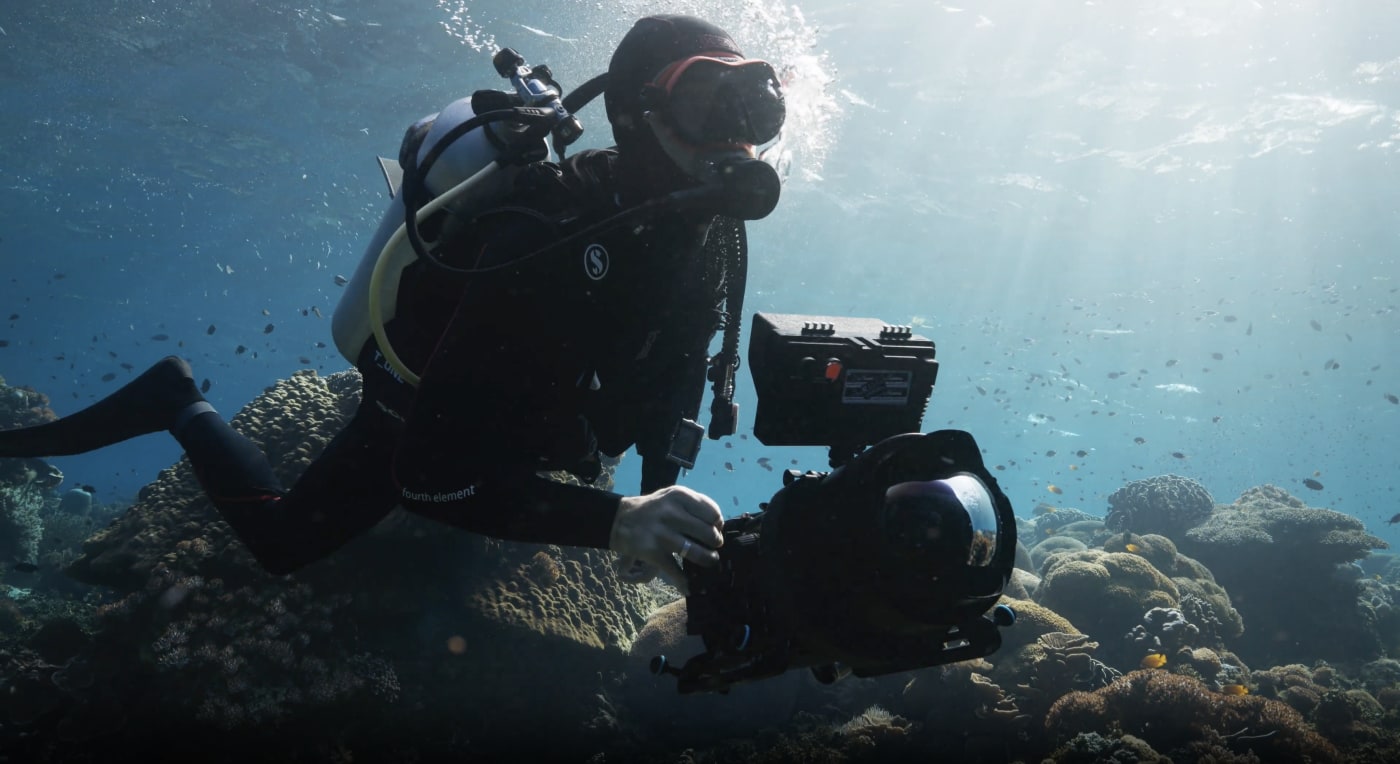
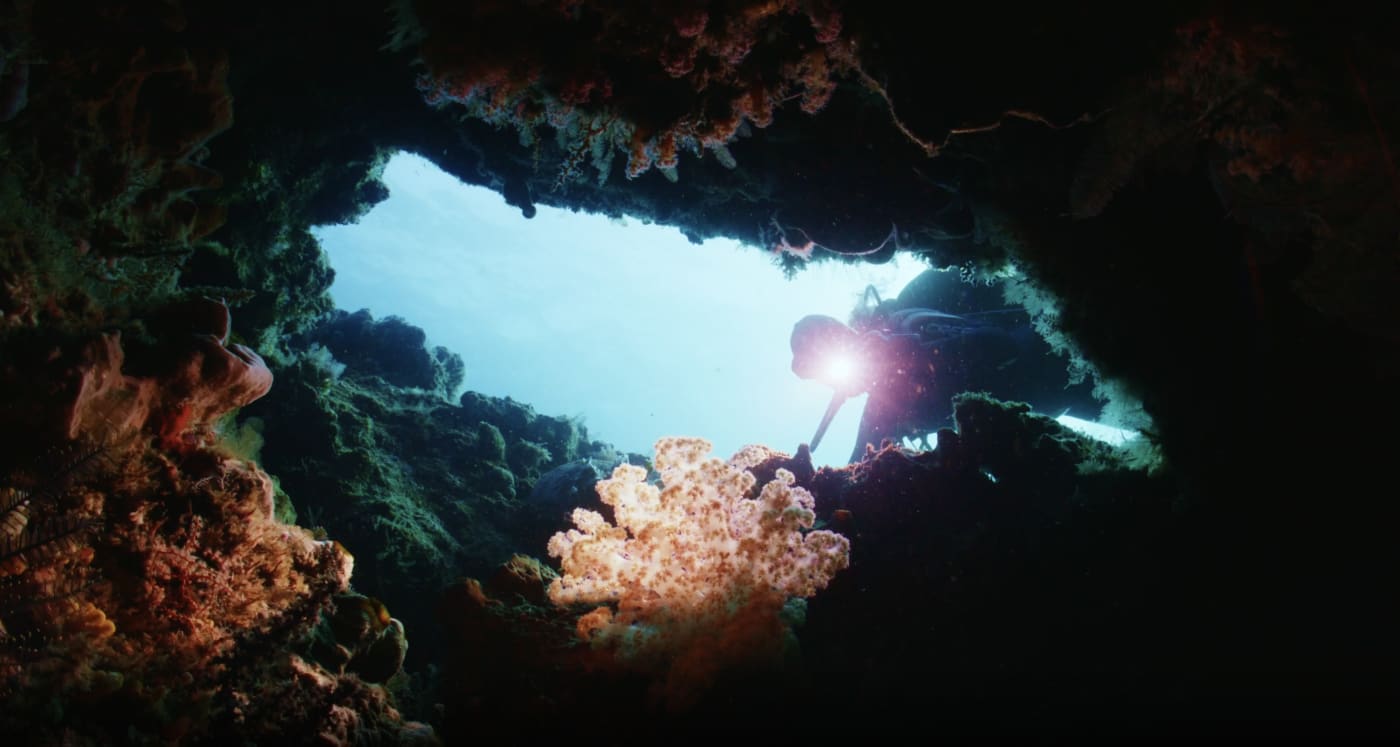
Filming underwater isn’t just a different environment. It changes the very nature and rules of shooting. Yes, you need to be a good swimmer and yes, you need to know how to handle the physical differences between being under the waves and being on land. But you also have to be prepared for how differently light behaves in the depths.
You’ve got be to ready for colors to change and—sometimes—disappear. The deeper you go, the faster the warm end of the spectrum fades, with red going first. That means Roepke needs as much color flexibility in post-production as possible. Because the RED Komodo X encodes full color information in every frame, Roepke is able to adjust white balance and tint in post to bring the depths to life.
Dynamic range matters just as much. Roepke loves shooting backlit subjects in order to create rim lighting and depth. But it demands a sensor that can hold detail in both the bright water above and the shadowed creature below.
“If you don’t have a high dynamic range sensor, your footage will fall to pieces really quickly,” he says. “Using the RED camera allows me to split that difference really nicely.”
For topside work like interviews, B-roll, and documentary coverage, Roepke has settled on the Canon C400, which he values for its compact, run-and-gun usability and its own raw recording capabilities. Both cameras feed into the same post-production philosophy: capture as much information as possible, then shape it in the edit.
One Chance to Get the Shot
Wildlife filmmaking doesn’t offer second takes. When a whale surfaces, when a rare behavior unfolds in front of the lens, there’s one window, and it closes fast. This reality shapes every decision Roepke makes about his kit.
“If you see something amazing and you’re filming it, sometimes it’s the only shot you have. So I wanted to bring down the camera that was as good as I could possibly afford and would do the amazing behavior I was witnessing justice,” Roepke says.
The same philosophy extends to camera preparation. Roepke preps his underwater housing the night before every dive, checking O-rings, seating ports, and pressurizing the system so he can verify there are no leaks before the shoot. A single hair on a seal ring can flood a camera at depth. And on remote expeditions, there is often no backup rig.
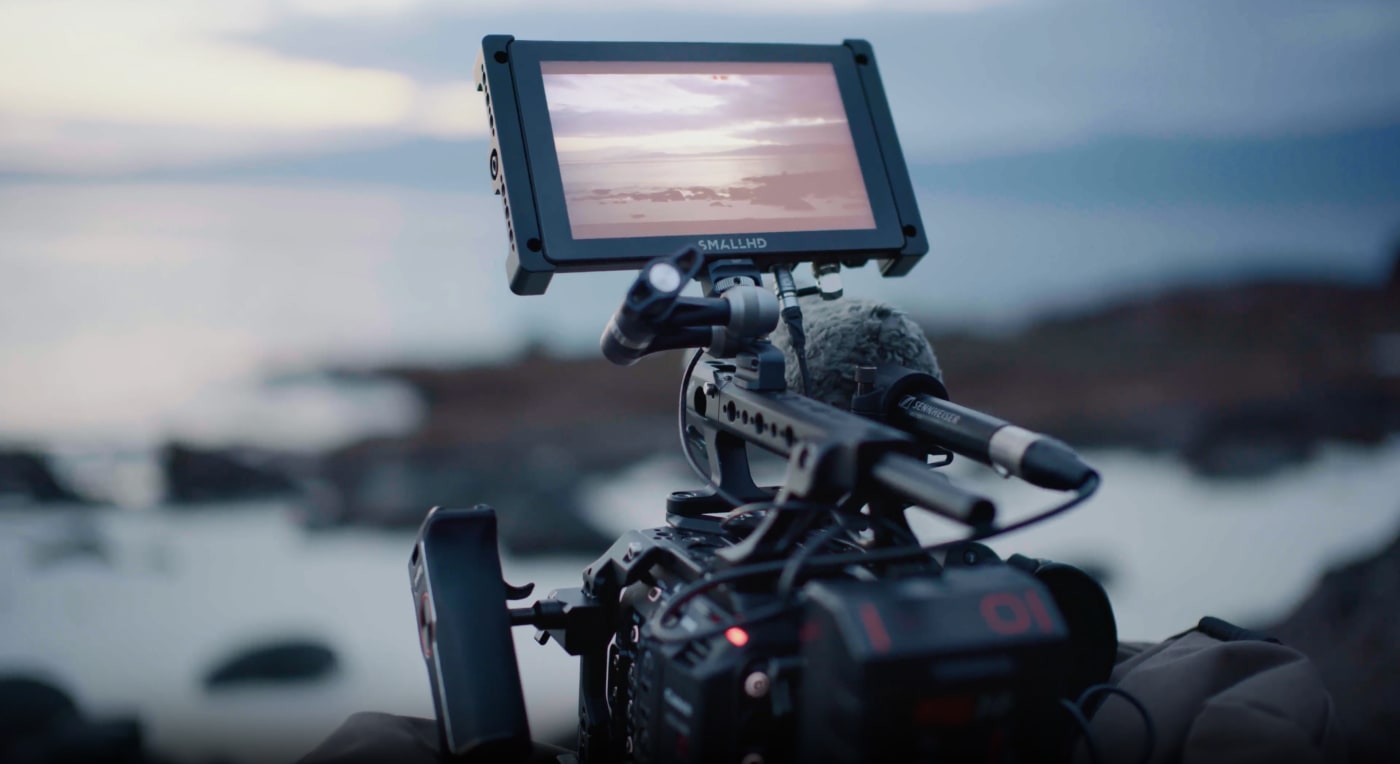
He also uses a production monitor of at least seven inches to stay rigorous about framing. “A huge tip I have for filmmakers is to really scan the corners of your frame,” he says. “A lot of stuff you miss on small screens is really minute, and then you have to post-crop and it falls apart quick.”
The Offload: Where the Work Isn’t Done Yet
But capturing the shot is only half the job. You also have to get the footage home safely, and in Roepke’s world, that means building a field offload workflow robust enough to handle the demands of remote expeditions, small crews, and camera cards that fill up fast.
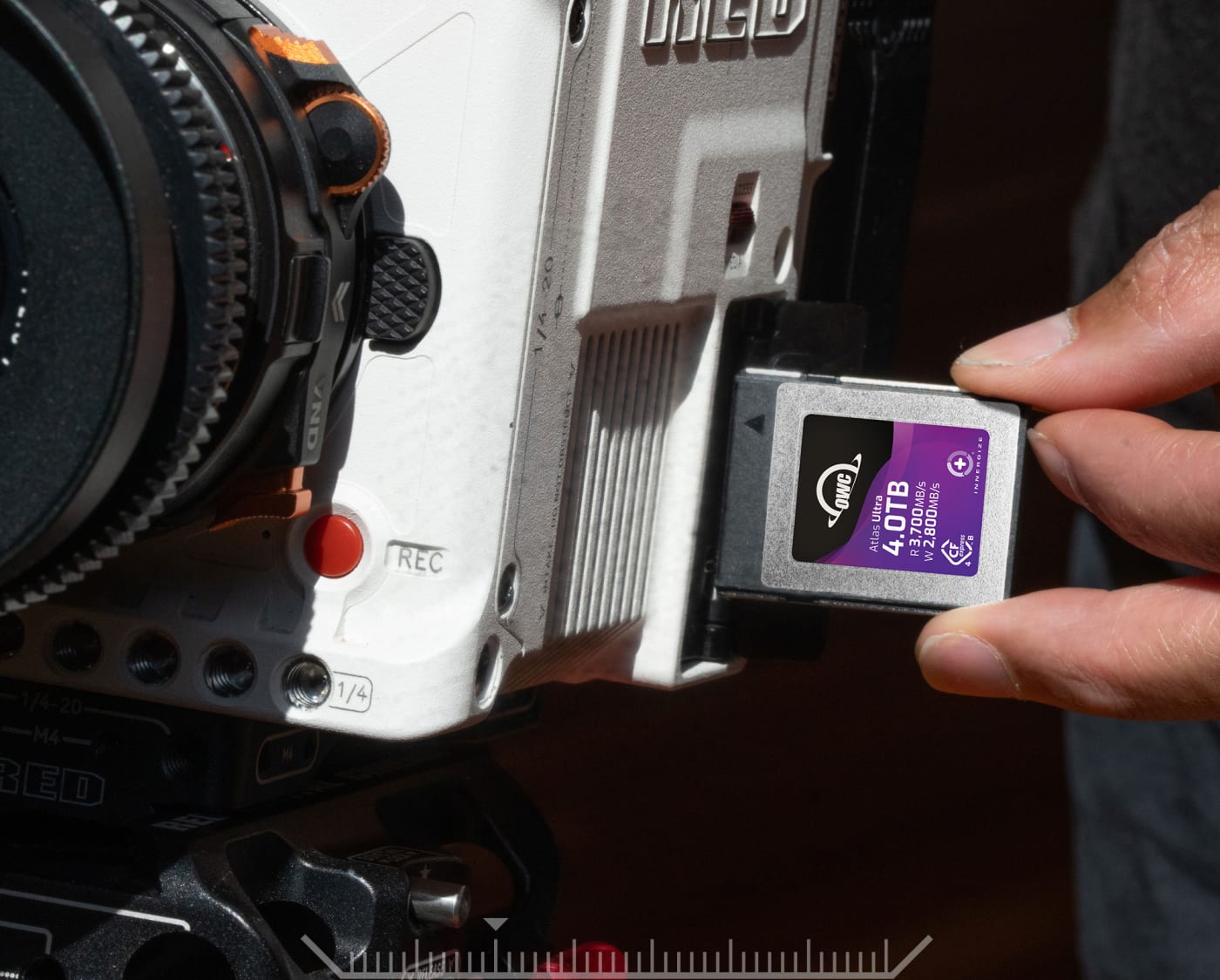
In order to efficiently manage the massive files created by shooting raw on the Red Komodo X and Canon C400, Roepke records to OWC Atlas Ultra CFexpress Type B cards. Atlas Ultra 2TB CFexpress Type B cards offer Roepke enough capacity to shoot all day without swapping media.
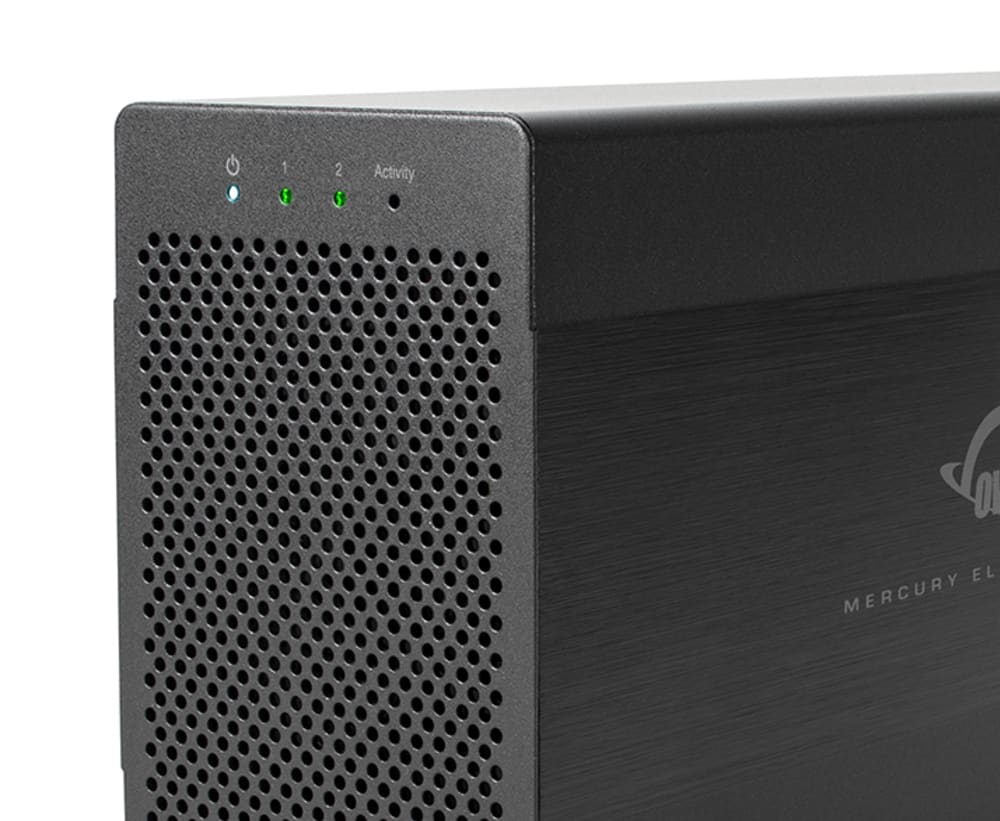
As his primary redundant backup drives, Roepke relies on the OWC Mercury Elite Pro Dual RAID. The drives are fast, compact, and affordable enough to bring two along for every shoot, allowing for each job to be backed up to two independent RAID arrays. He’s run these drives in conditions that would test most consumer hardware: sandstorms in the desert, sub-zero temperatures in Antarctica, high humidity in tropical locations. They’ve never let him down.
In locations without grid power like true wilderness shoots where a tent is the production office, Roepke switches to a pair of OWC 8TB Express 1M2 SSDs. Though these are bus-powered drives able to run without the need for a dedicated power supply, they’re still fast enough to pull a 2TB Atlas Ultra card in under 20 minutes, Roepke says. That is huge when time is short, there’s still another dive to plan, another subject to check in on, and—most importantly—sleep to get.
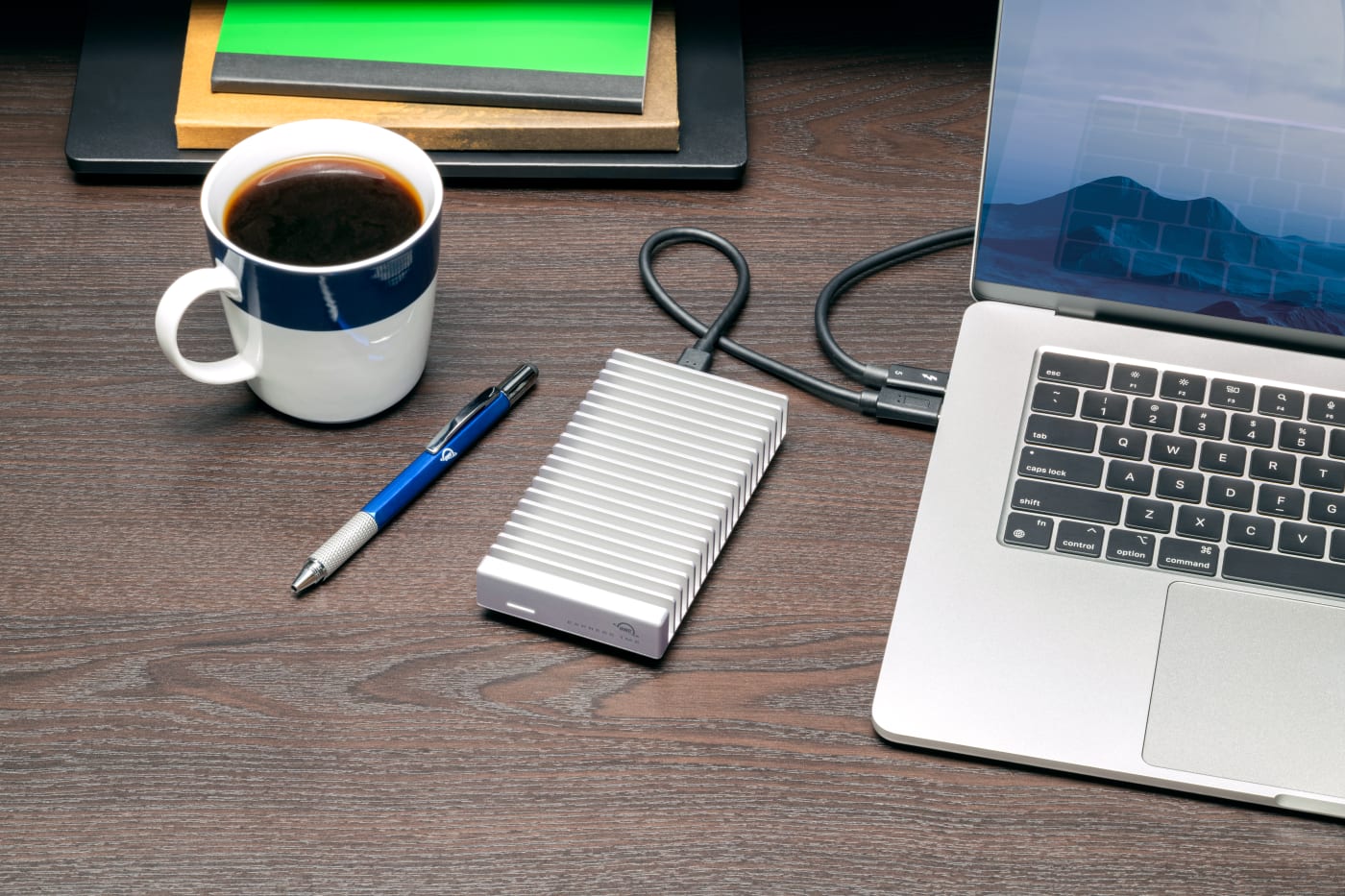
Completing the ecosystem, Roepke uses the OWC high-speed USB4 CFexpress Card Reader, which pairs with the CFexpress cards to keep the full pipeline moving at the same pace. Roepke says this combination of OWC cards, reader, and drives is “unparalleled in the entire downloading world.”
“This ecosystem of their drive, their reader, and their cards is lightning fast, it’s reliable, and it has really changed how I work on shoots,” he says. “I can spend so much more time doing important things instead of just sitting around waiting for files to offload.”
Each day after a shoot, Roepke always reviews his footage from the day, ensuring he’s able to fix any problems while he’s still on the shoot. This discipline has saved projects more than once. He’s caught mismatched water clarity between shooting days, spotted focus issues invisible on the monitor, and found moments that shifted his entire approach to a story. Roepke says this nightly ingest habit wouldn’t be possible without fast, reliable storage solutions that let him offload and backup quickly while also enabling smooth scrubbing, editing, and grading.
"A Trusted Partner"
Roepke is a long-time user of OWC products—but not just for their fast and reliable performance.
His first OWC product was a 48TB RAID for long-term data storage. He was impressed by the price, the speed, and—perhaps most memorably—the customer service. When he had a question about software or needed to understand which drive fit a particular use case, he emailed OWC and heard back promptly from someone who knew the products and remembered him.
He contrasts that with a different experience: a hardware failure with another brand where his support request sat unanswered for nearly three weeks. By the time a reply arrived asking for more information, the problem had already cost him and he’d moved on. The company was nowhere to be found when it counted.
“OWC stands out as a trusted partner because of their excellent quality, their product range, and their amazing customer service,” Roepke says. “They’re a small company, so you talk to someone that cares.”
He also appreciates the fact that OWC shares his concern for the environment. The company employs a host of sustainable practices such generating its own wind and solar-derived energy. And a core value at OWC is that your gear and the technology you depend on should last for years, not months. For decades, OWC has helped customers extend the life of their existing technology through DIY upgrades and refurbished Macs.
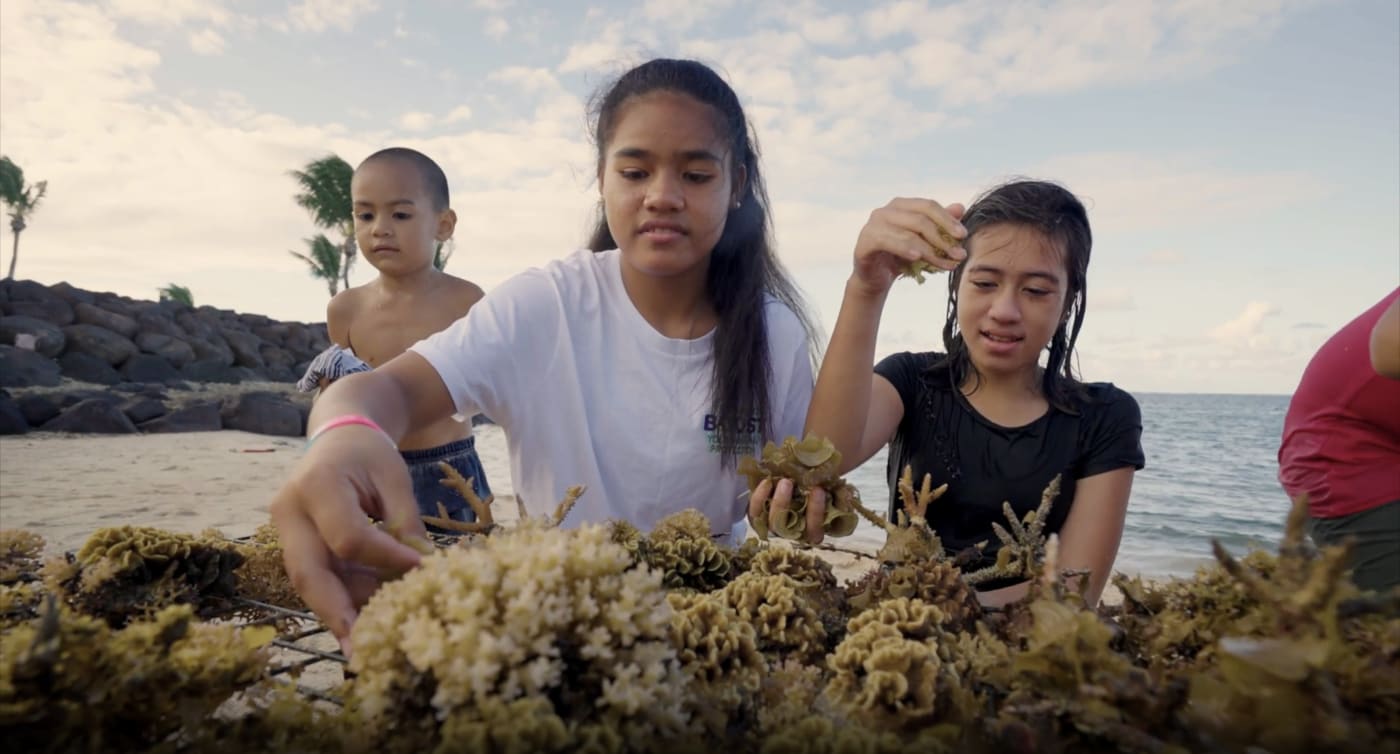
Filming for the People the Ocean Feeds
The stories Roepke is most drawn to aren’t just about marine animals. They’re about the human communities that have organized their lives around the ocean for generations; people whose survival is directly threatened when fish stocks drop, reefs bleach, or ecosystems fall out of balance.
“There are still people who use the ocean every single day to gather food for their families, to pay for things, to barter, or even to live,” he says. “Very often these people are vastly underrepresented. They can’t do much except live the lives they have. It’s very important to remember that our [actions]—whether or not we're a thousand miles from the ocean—do impact them.”
His dream project brings together two things he loves: Blue Planet-caliber underwater cinematography and intimate human documentary filmmaking. He envisions a story that places exceptional underwater imagery in service of a conservation argument that is fundamentally about people like the families on reefs who don’t have the option of ordering delivery when fish are hard to come by.
The Footage Has to Make It Home
Every part of Roepke’s kit—camera, housing, lights, audio—is in service of the moment. But as he’ll tell you, the moment doesn’t matter if it doesn’t survive the journey back.
A whale encounter captured on a corrupted card is a whale encounter that nobody sees. A night’s footage lost to a drive failure doesn’t just cost a day. In remote wildlife filmmaking, these mishaps may cost the whole story. The ecosystems Roepke documents are fragile, the animals and environments are wholly unpredictable, and the logistics of returning to reshoot are often impossible.
That’s why storage isn’t an afterthought in his workflow. It’s as central as the camera itself.
“OWC empowers me to know that my footage is kept safe, that it’s going to be done in a reliable manner, and also fast,” Roepke says. “To me, that’s as important as any other piece of my projects.”
Other topics you might like
Sony’s New FX5 Brings New Sensor, Open Gate, VENICE-level Features to a Compact Cinema Camera
Updated on Jul 23, 2026
The New Portkeys LH7C is a Rugged, Bright, Yet Affordable On-Camera Monitor
Updated on Jun 16, 2026
Grab Great Audio From Anywhere with This New DPA 4097 CORE+ Micro Shotgun Microphone
Updated on May 29, 2026