 USA + International
 OWC Canda
 OWC Europe
The Panasonic LUMIX L10 Is the Compact Camera Comeback We’ve Been Waiting For
Panasonic's LUMIX L10 offers a lot of flexibility for photographers in a compact body.
Wayne Grayson • May 18, 2026
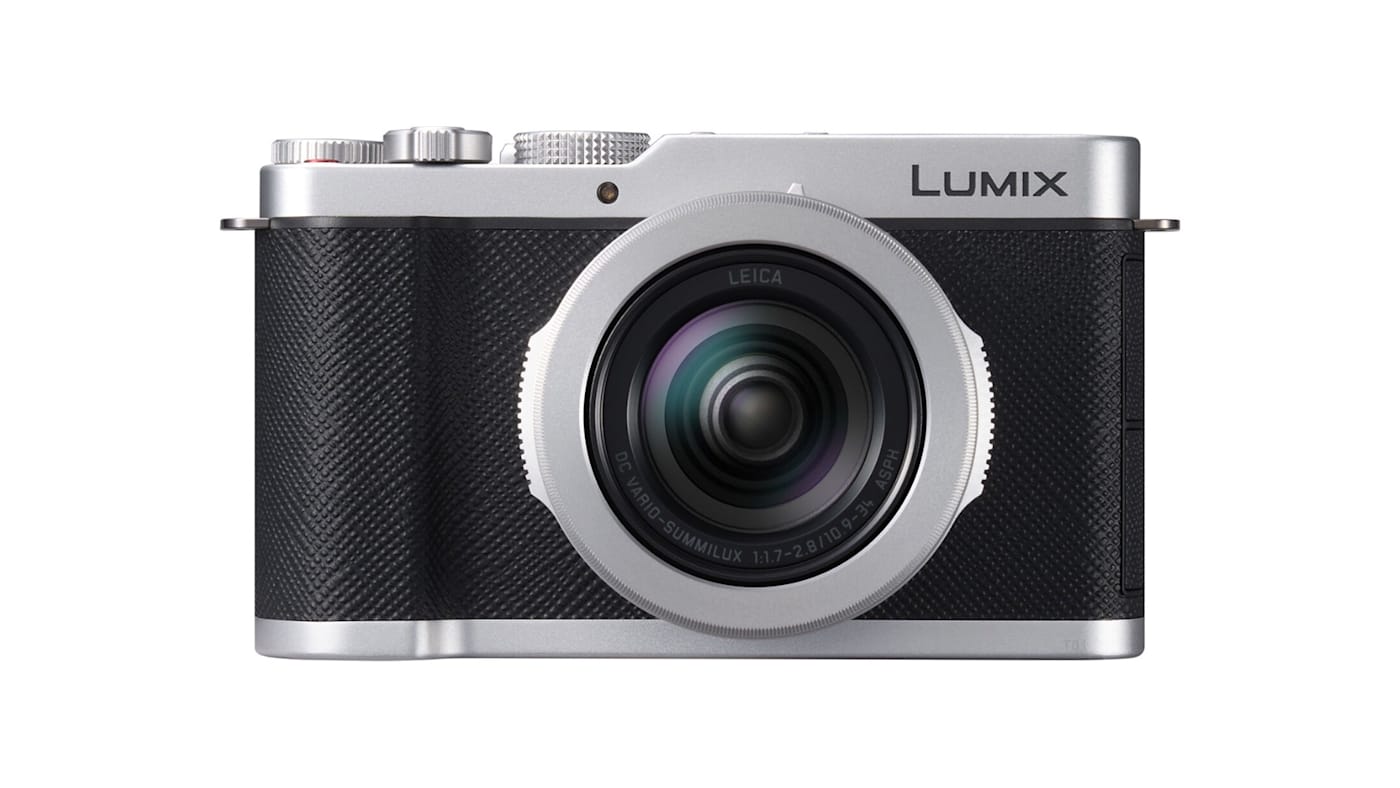
For years, camera enthusiasts who love carrying a serious camera without a bag full of lenses have been stuck in a holding pattern. The golden era of the enthusiast compact—cameras like the Panasonic LX100, Sony RX100, and Ricoh GR—seemed like it might never get a true successor. Manufacturers kept chasing mirrorless bodies and interchangeable-lens systems, leaving the compact faithful waiting. But with the new LUMIX L10, perhaps we’re getting an early signal that seriously capable compact zooms are officially back.
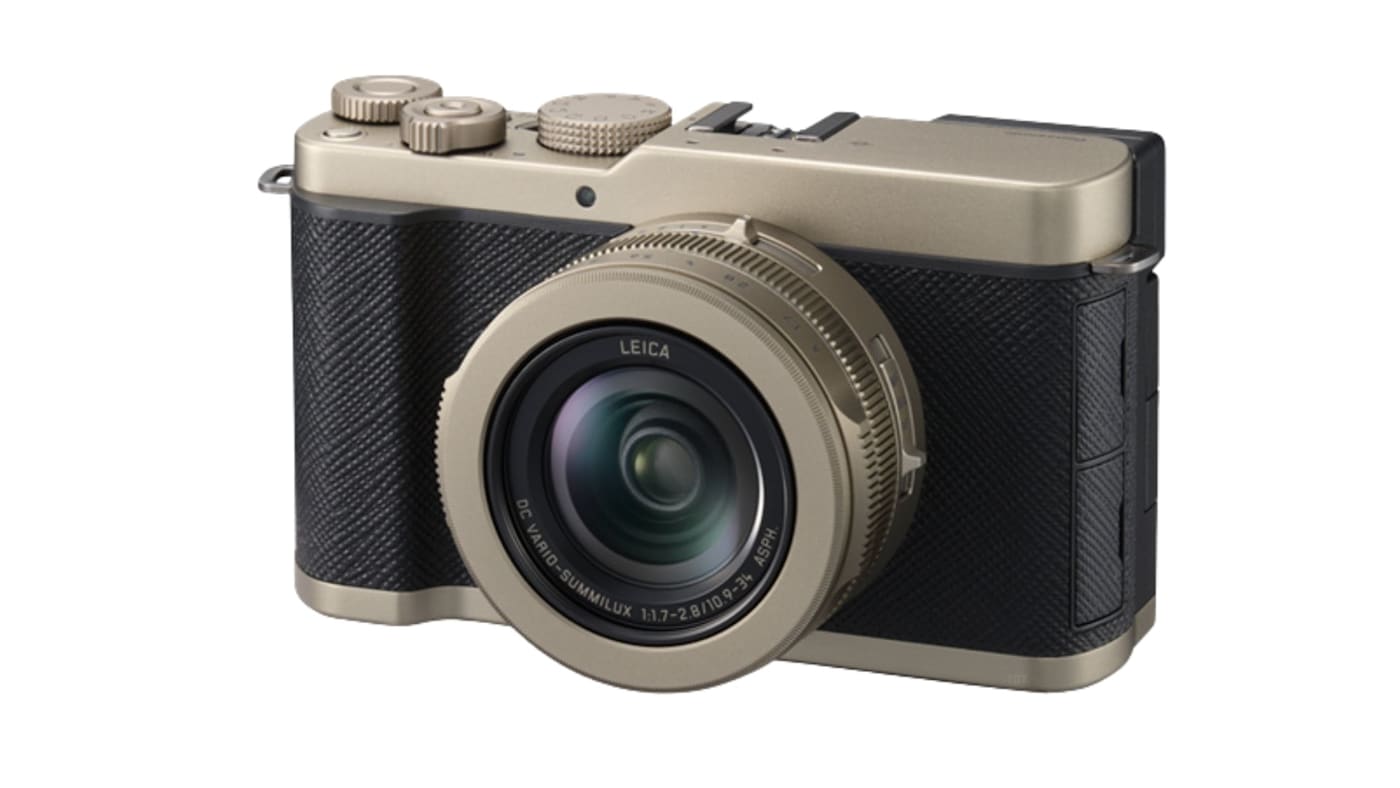
The L10 is a fixed-lens compact built around a Micro Four Thirds sensor and a fast Leica-branded zoom lens. The L10 is designed to easily go anywhere with a body compact enough to comfortably carry from a wrist strap or in the pocket of a coat or bag while still delivering image quality and manual control that serious photographers demand.
A Spiritual Successor to the LX100
The new L10 is really an update to the popular LX100 cameras. The original LUMIX LX100 was released in 2014 and earned a devoted following by pairing compact size, capable zoom, and a Micro Four Thirds (MFT) sensor.The LX100 II followed in 2018 with modest updates, but the line went quiet after that.
Like its predecessors, the L10 features a multi-aspect ratio MFT sensor—one of the LX100’s most beloved quirks. By using a sensor larger than the lens image circle, the camera maintains a consistent angle of view whether you’re shooting in 4:3, 3:2, or 16:9. Switch aspect ratios and your framing stays the same; only the crop changes. In practice it means 5,200 x 3,904 pixels in 4:3, 5,408 x 3,608 in 3:2, and 5,664 x 3,192 in 16:9. A square 1:1 mode rounds out the options at 3,904 x 3,904 pixels.
Fast Glass, Far Out
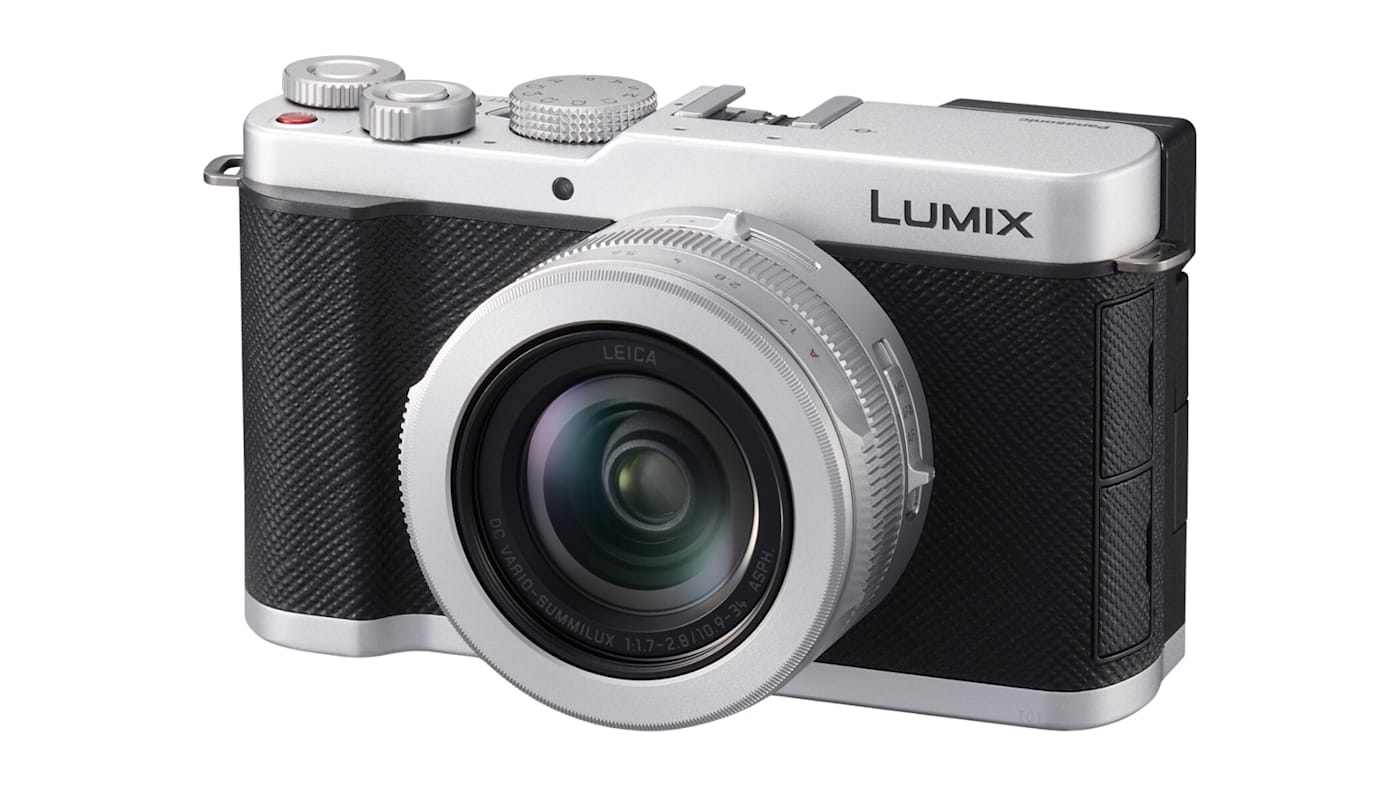
Compounding the versatility of the L10’s sensor is its LEICA DC VARIO-SUMMILUX 24–75mm (full-frame equivalent) lens with an f/1.7–2.8 aperture. Wide open at 24mm, you have f/1.7 for low-light work and shallow depth of field. At the 75mm telephoto end, f/2.8 still gives you solid light-gathering and subject separation. The barrel is precision-machined metal and includes a manual aperture ring, which means you can dial in exposure without taking your eye off the shot. Macro shooting is supported from as close as 3 cm at the wide end.
20.4 Megapixels, Backed by the Latest Processing
Under the hood, the L10 uses the same 20.4-megapixel backside-illuminated Micro Four Thirds CMOS sensor found in the LUMIX GH7: a chip that has earned strong reviews for dynamic range and low-light performance. Total sensor pixel count is 26.5 megapixels, with the extra real estate enabling the multi-aspect ratio trick we detailed above. Paired with Panasonic’s latest image processor and Dynamic Range Boost, the camera is set up to deliver the kind of tonal richness that was previously limited to larger-sensor systems.
Phase Hybrid AF covers 779 focus points and pairs with AI-based subject recognition that tracks eyes, faces, bodies, animals, vehicles, and even dynamic urban sports scenes. Burst shooting reaches 30 fps with the electronic shutter and 11 fps mechanical. Power OIS handles stabilization for handheld shooting in dim conditions.
Built to Be Carried Everywhere
Panasonic kept the body weight to approximately 508g (1.12 lbs, including battery, card, and accessories), and the flat, compact form factor is designed for one-handed operation. The exterior is metal with a magnesium alloy front case and a saffiano leather-textured finish that looks sharp without feeling precious. It’s a camera that reads as sophisticated rather than gadgety.
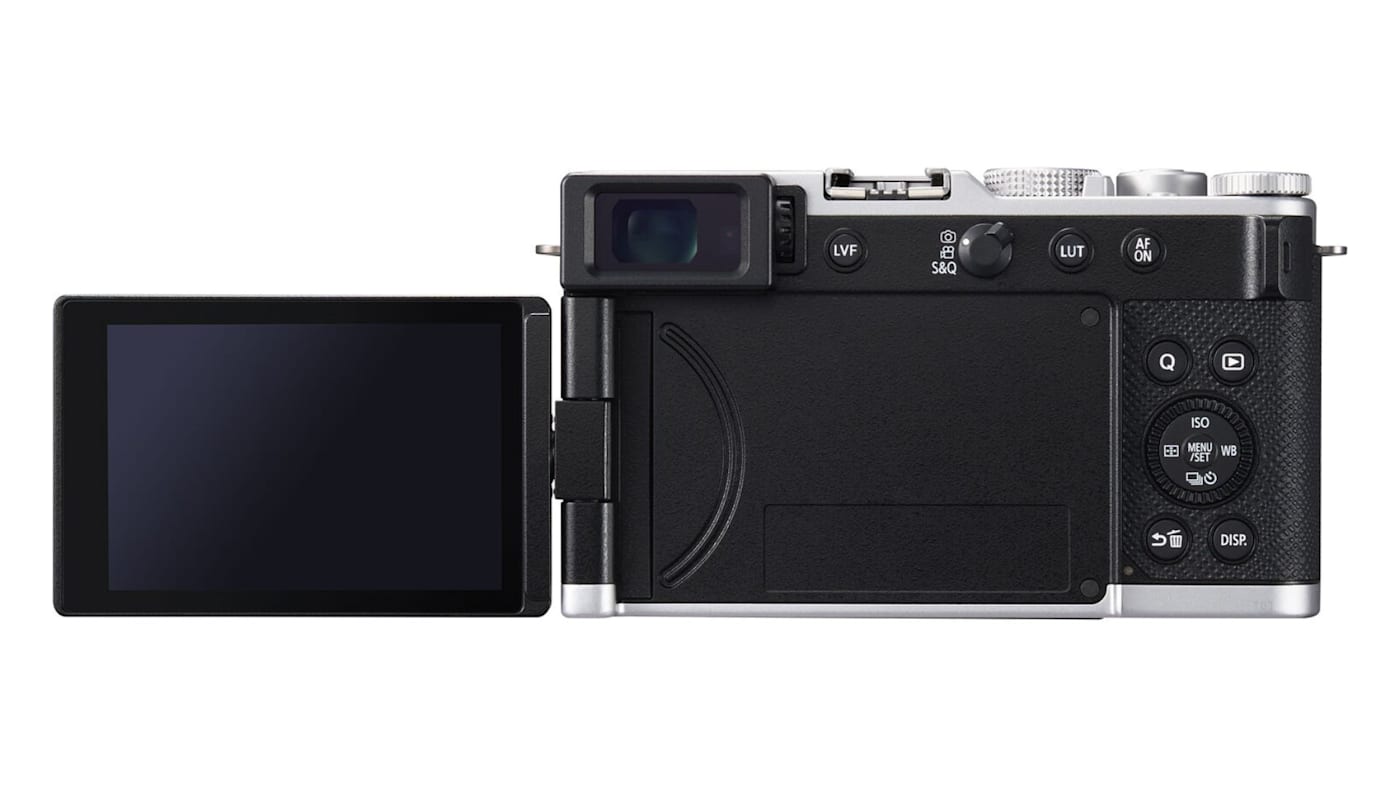
The viewfinder is a 2.36-million-dot OLED, and the rear monitor clocks in at 1.84 million dots with a free-angle tilt and a UI that reorients dynamically for vertical shooting. Both are the kinds of specs you’d expect on a mid-range interchangeable-lens camera, not a compact.
Color Science, LUTs, and Creative Control
Two new film-inspired Photo Styles debut with the L10: L.Classic, which delivers soft tones and muted colors, and L.ClassicGold, which leans toward warm amber highlights and nostalgic contrast. These join Panasonic’s existing library of Photo Styles and round out what is already a deep palette for in-camera JPEG work.
Real Time LUT lets you load custom LUT files directly into the camera and preview your color grade while shooting, a feature that’s been gaining traction in Panasonic’s lineup. Up to two LUTs can be layered. The LUMIX Lab app adds RAW editing, Magic LUT generation via AI color analysis, slow/quick video editing, and the ability to push firmware updates from your phone. Wired connection from camera to phone is also supported for faster, more stable file transfers.
Video Capability
The L10 is photography-first in its design intent, but it handles video capably. It supports resolutions from 5.6K at 59.97p down to 4K at up to 120 fps, with full pixel readout and recording in 4:2:0 10-bit LongGOP as the baseline, with 4:2:2 10-bit All-Intra and LongGOP options available. V-Log, LUT preview, and waveform monitoring are all present. One limitation worth noting: the L10 includes a microphone jack but no headphone jack, which makes it more suited as a b-roll or travel video camera than a primary production tool.
Pair the LUMIX L10 with Fast OWC Storage
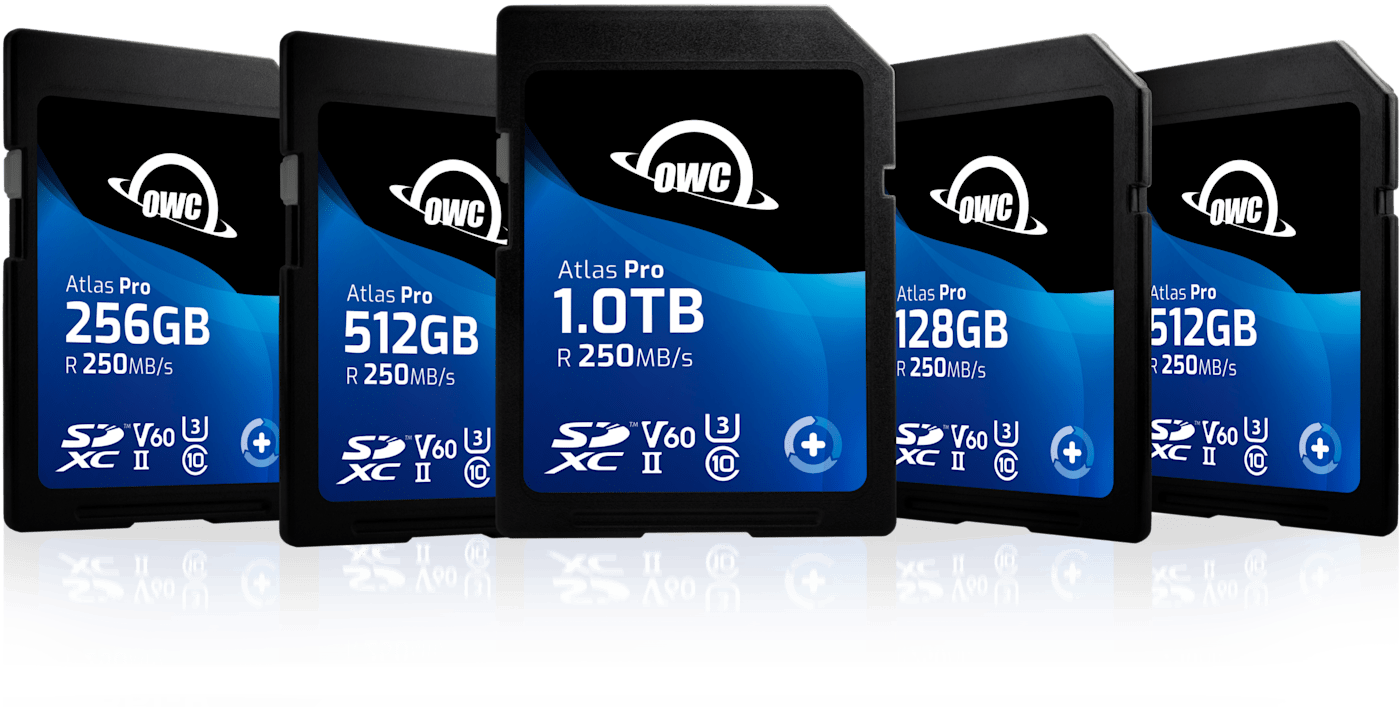
Shooting 5.6K video and 20-megapixel RAW files adds up fast, especially when the camera only has a single SD card slot like the LUMIX L10. Whether you’re offloading cards at the end of a street photography session or building a dedicated archive of travel work, having reliable, fast storage is crucial to your creative workflow. For worry-free shooting and fast offloads, pair the LUMIX L10 with an OWC Atlas Pro SD Card.
Atlas Pro SD cards can handle anything the LUMIX L10 can throw at them with ease and with capacities up to 1TB, you’ll never need to swap cards in the middle of shoot.
Pricing, Availability, and Special Edition
The LUMIX L10 is available now for pre-order at B&H and will start shipping in June 2026 in Black and Silver at $1,499. A special edition Titanium Gold model—which adds a gold-themed menu system, leather strap, threaded shutter button, and additional accessories—will be available in limited quantities for $1,599 through select channels including the official Panasonic Store.