 USA + International
 OWC Canda
 OWC Europe
How NRG Recording Studios is Bringing its Historic Archive Into the Modern Era
Go inside NRG Recording Studios in Los Angeles to see how the studio is using OWC ThunderBay storage to preserve decades of recording history.
Wayne Grayson • Sep 22, 2026
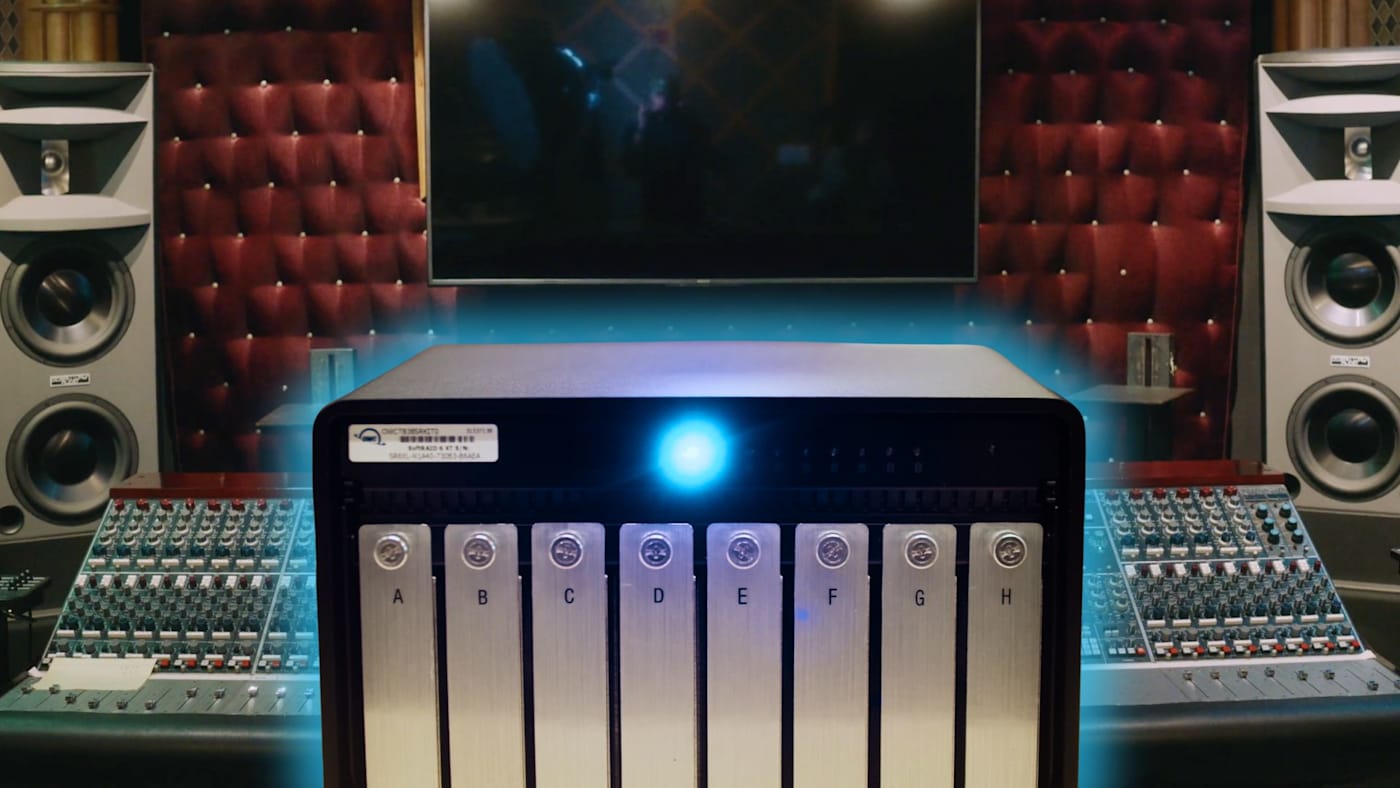
For more than three decades, NRG Recording Studios has hosted some of the world’s biggest artists, producing multiple albums that have sold tens of millions of copies. Today, preserving those history-making recordings has become nearly as important as creating what comes next.
That’s why the studio is now undertaking a massive archival project: recovering decades of recording sessions from aging tape backup systems and moving them onto modern OWC storage.
We visited with the team at NRG to get an up-close look at the process and to take a look around at this incredible space. Check out the tour in the video below or read on for more details.
A Studio Built Around Creativity

Located in North Hollywood, NRG has operated from its current home since 1991, growing from founder Jay Baumgardner’s earlier home-studio setup into a three-room professional facility. Along the way, its rooms have hosted artists including Hootie and the Blowfish, Incubus, Linkin Park, Korn, Red Hot Chili Peppers, Beck, No Doubt, Nas, and countless others.
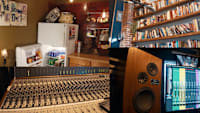
Studio A centers on a custom 64-input Neve 8068 and a 30-by-40-foot live room. Studio B offers another large tracking room built around a custom 64-input Neve console. Studio C, designed primarily for mixing and production work, uses a Neve BCM-10 MK II and Ocean Way Audio monitors.
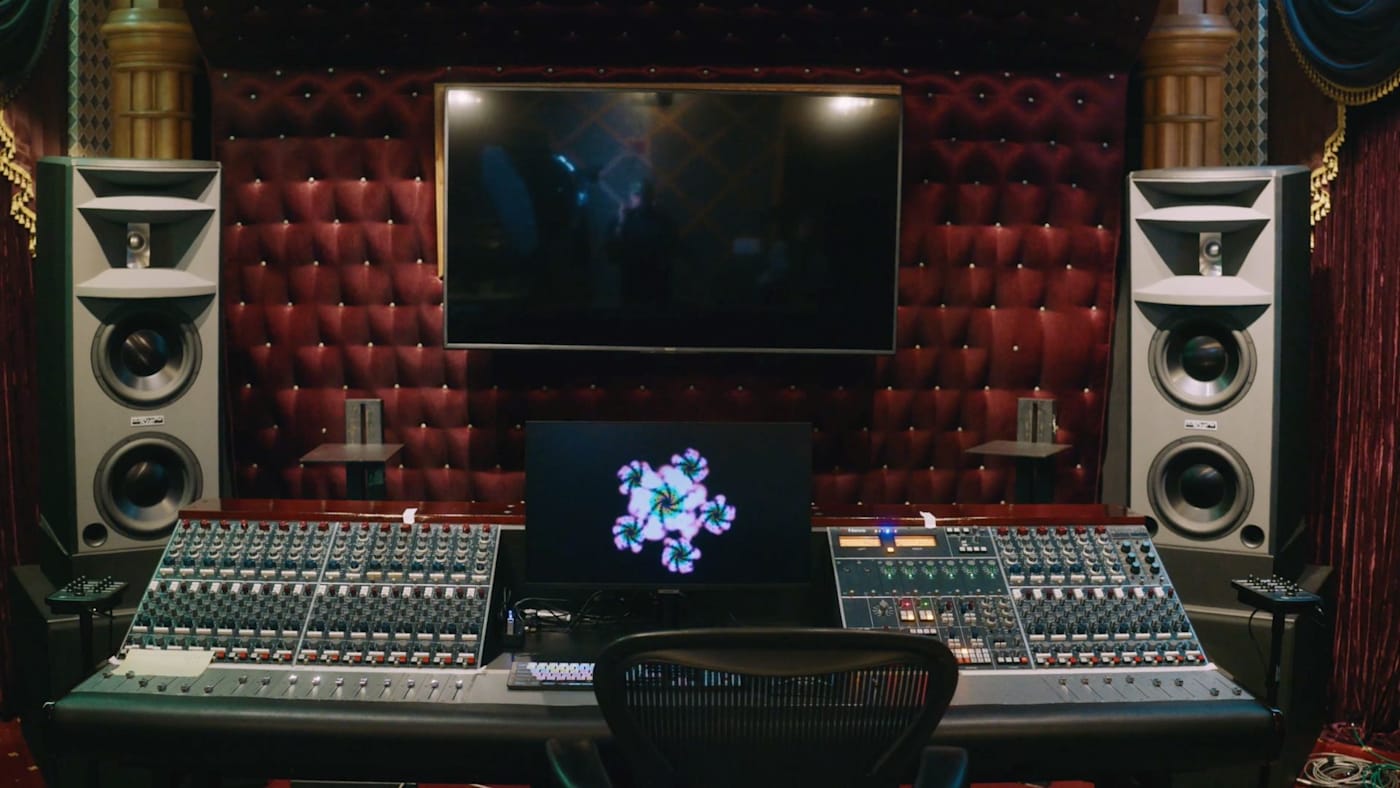
For Baumgardner, the atmosphere of those rooms matters. After seeing White Zombie decorate a space in the former studio location while recording an album, Baumgardner decided that he would make sure the current studio location was decorated and had a personality rather than just being a blank, utilitarian space.
“I think it’s very important,” Baumgardner said of a studio’s vibe. “If it’s devoid of anything, then it’s probably harder to be creative.”
That environment remains particularly valuable as more music can be created entirely at home. Baumgardner sees professional studios as places where artists can step outside familiar routines and collaborate with engineers, producers, and other musicians who bring different perspectives to the process.
Chief engineer and studio manager Kyle Hoffman sees the same advantage. Beyond the rooms and equipment, he says one of the biggest benefits is simply having “other opinions” and “other sets of ears” in the room.
Preserving the Records Made at NRG
As recording transitioned from analog tape to Pro Tools and hard drives back in the 1990s, Baumgardner realized digital projects presented a new problem: the recording medium could no longer double as the archive.
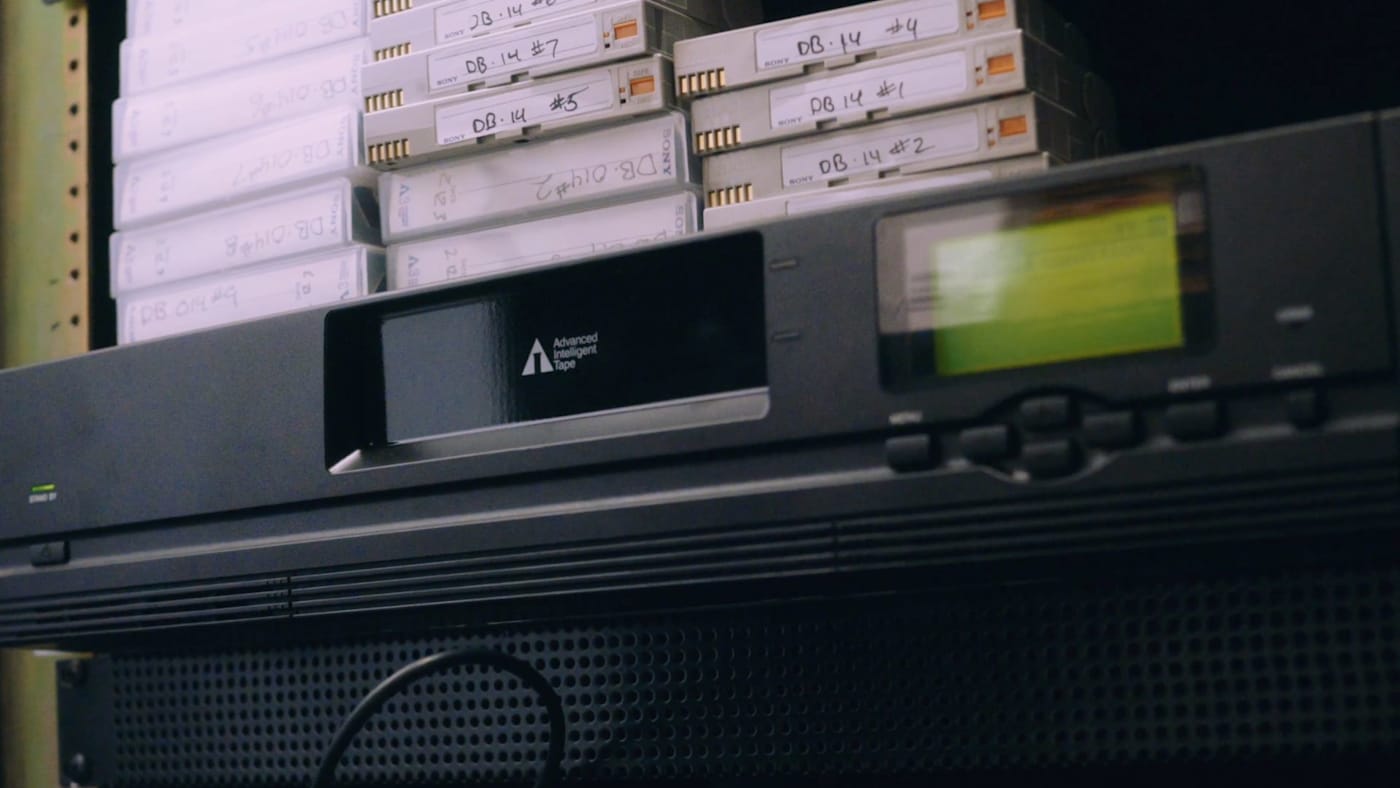
Inspired by a storage system he read about NASA using for Space Shuttle data, NRG built a fiber-optic storage area network connected to Sony AIT tape drives. At a time when digital studio workflows were still relatively new, this gave NRG a huge advantage. Sessions from NRG’s studios could be centrally backed up rather than left solely on individual hard drives.
That system ultimately preserved years of work. Today, however, some of those tapes are approaching 30 years old, and the computers, interfaces, drives, and software required to read them are becoming increasingly difficult to maintain. So Baumgardner and Hoffman are slowly bringing that archive into the modern age so it is quickly accessible as part of a typical workflow by today’s standards.
Using an older Mac Pro and the original Retrospect backup software, NRG restores files from its AIT tapes to an internal drive, moves them through an intermediate external drive and newer server, and ultimately transfers them to their new home: an OWC ThunderBay 8 with 192TB of storage.
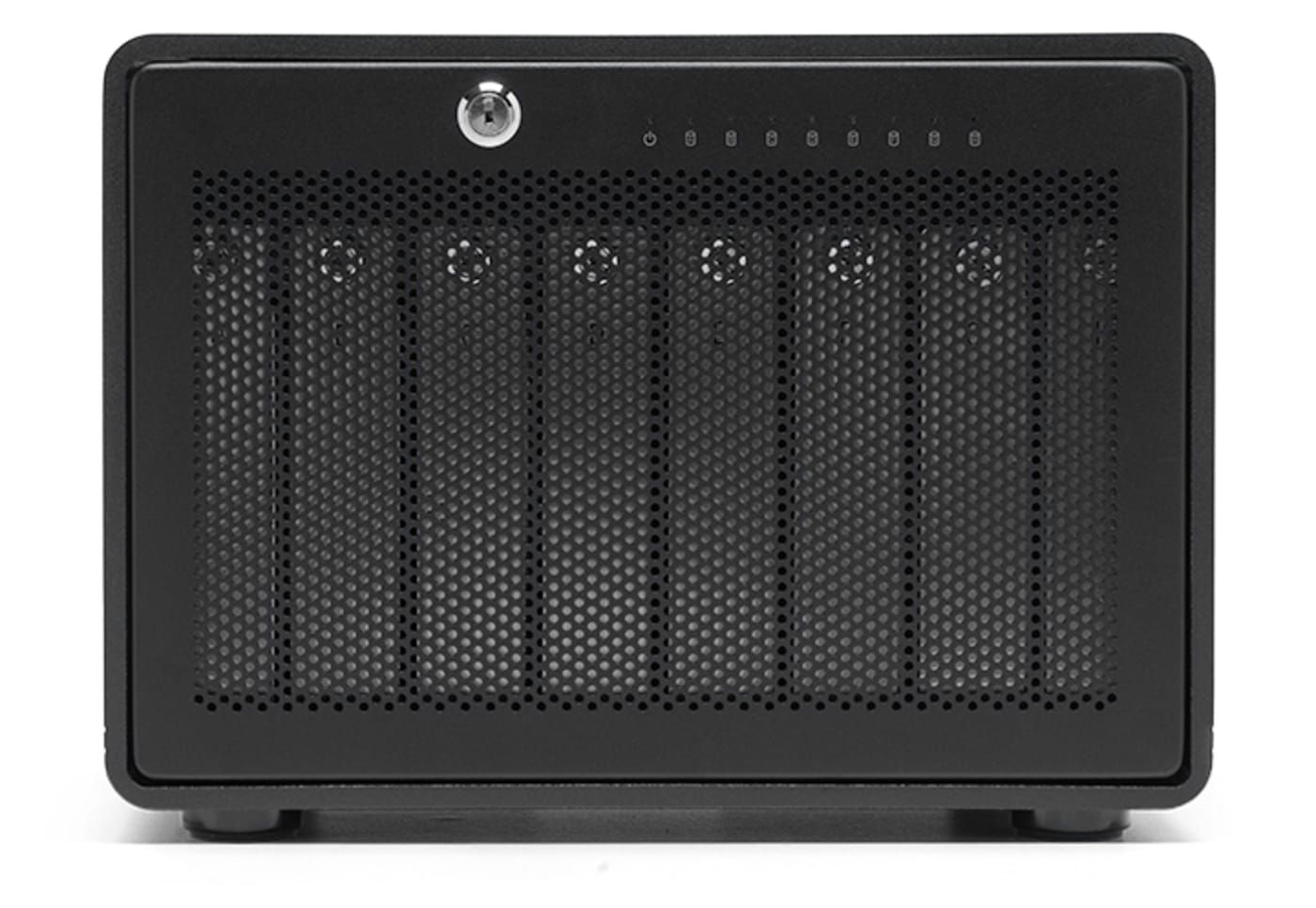
The ThunderBay 8 is currently divided into two large volumes. One is dedicated primarily to recovered archive material, while the other provides storage for backups of current server data. NRG also plans to digitize additional analog tapes and add those recordings to the modern archive.
Hoffman says recovering a single project from the legacy system can take several days and requires actively monitoring aging equipment. But once a project lives on the ThunderBay, retrieving it becomes a straightforward copy and paste that can be as quick as several seconds.
That NRG is doing this legwork will be of huge benefit to the artists behind those projects. Not only does the backup ensure that these projects live on and remain accessible, but it also saves the artists themselves a huge amount of time when they come looking for these files.
And they will definitely come looking. With many albums recorded at NRG from the late 1990s and early 2000s reaching major anniversaries, original sessions can become the foundation for remixes, deluxe editions, stems, re-releases and archival releases. NRG regularly receives requests for projects created there many years ago. In some cases, the backup at NRG may be one of a few surviving copies.
OWC technology also supports NRG elsewhere in the facility. The studio uses an OWC Thunderbolt Dock with its Mac mini-based server setup to expand connectivity, while Hoffman uses his own ThunderBay for both long-term client material and backups of current projects.
NRG has spent decades helping musicians create art worth preserving. Now, by moving those recordings from aging formats onto modern OWC storage, the studio is making sure that history remains accessible for whatever artists decide to create with it next.
Other topics you might like
Inside The Owl Studio: Where Nashville Neighborhood Vibes Meet a Modern Recording Workflow
Updated on Sep 18, 2026

How Canyon Studios Keeps the Creativity Flowing — and in Sync — From Nashville to L.A.
Updated on Aug 25, 2026


Like What You Like: A Sneak Peek of Episode 2 of Personal Work with Forrest Mankins
Updated on Aug 7, 2026