 USA + International
 OWC Canda
 OWC Europe
Inside The Owl Studio: Where Nashville Neighborhood Vibes Meet a Modern Recording Workflow
Nashville's The Owl is a studio that feels like home.
Wayne Grayson • Sep 18, 2026
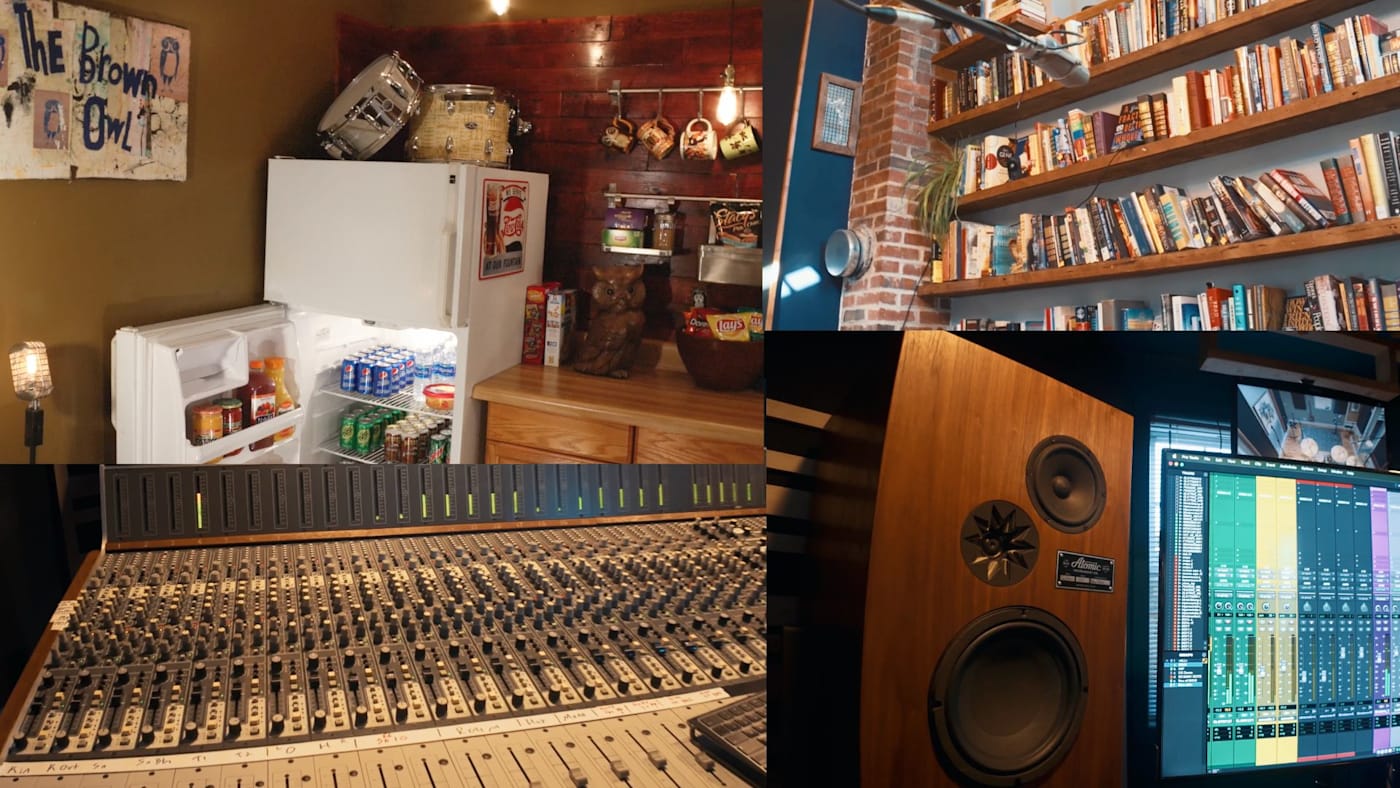
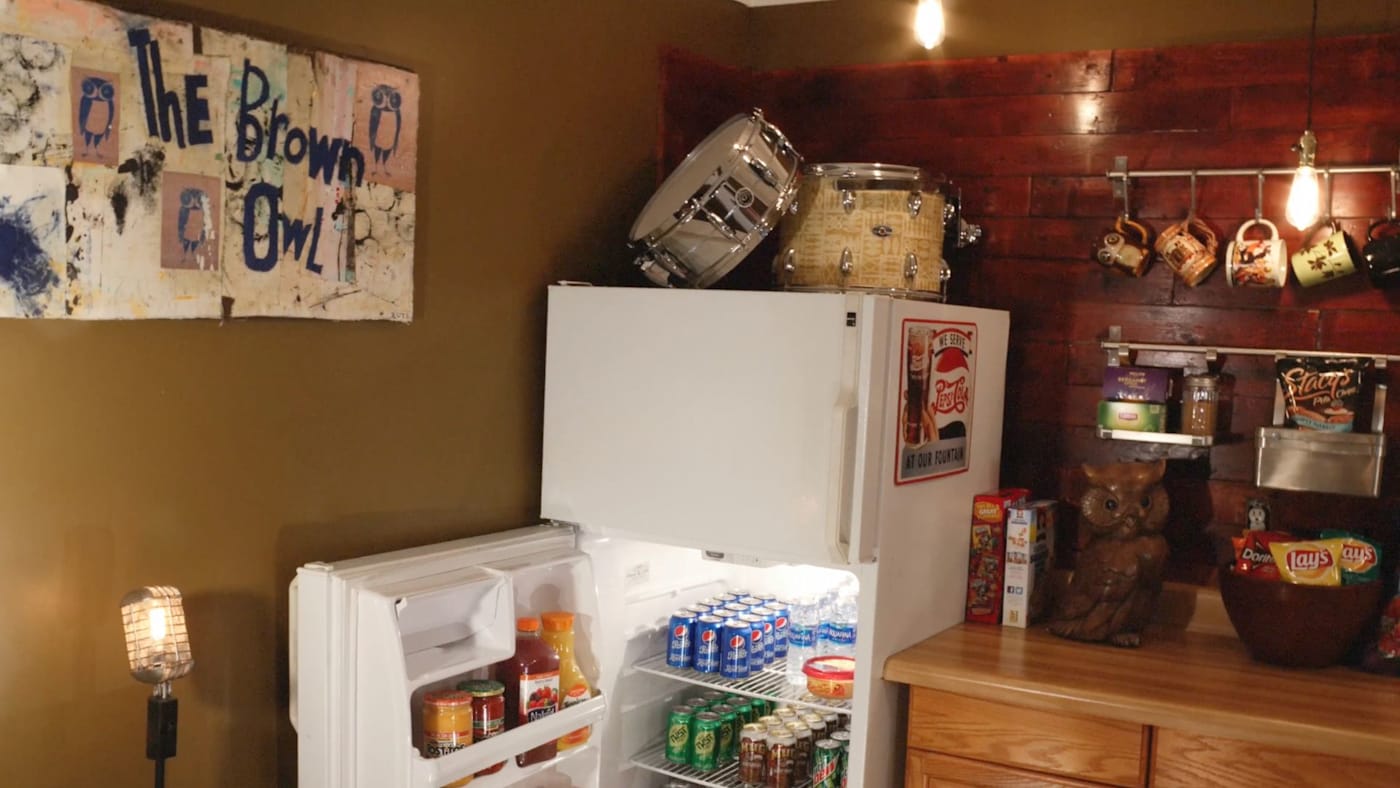
Walk into The Owl Studio in Nashville’s Berry Hill neighborhood and the first thing you encounter isn’t a posh lobby or a wall of gold records. It’s a stove…and a coffee maker. It’s a kitchen.
Interestingly enough, this is not the result of an odd floor plan. In fact, studio owners Chris Kimmerer and Mark “Z” Zellmer did some rearranging to ensure the first thing you see is the kitchen. The studio’s original location had the same slightly unconventional entrance. Over time, Kimmerer and Zellmer realized that it was part of the space’s charm. So when they moved into the studio’s current home, they decided to carry the kitchen entrance forward. There’s coffee waiting, comfortable places to settle in, and a sense that you have walked into somebody’s creative home.
For Kimmerer, that feeling is fundamental to The Owl’s appeal. Give artists room to get comfortable so they can focus on the art. “I’ve always wanted the studio to be like your home studio, just elevated,” Zellmer says.
You can watch our full tour of The Owl in the video below or read on for more.
Building a Studio Around the People Inside
The Owl started in 2009 as The Brown Owl, when a few friends pooled their gear and rented a small house in Berry Hill, Nashville's low-slung studio district just south of Music Row. "We pulled that gear together just to get better at what we were doing," Kimmerer says. Over the years, those that worked there shortened the name to “The Owl,” and when the studio relocated in 2021, Kimmerer and Zellmer decided to officially adopt the shorter name.
The studio’s current location was formerly the home of an electric guitar player. Walls, doors and windows were added or reshaped to turn a house into a flexible recording environment. The studio then brought in Music City Acoustics to design the control room.
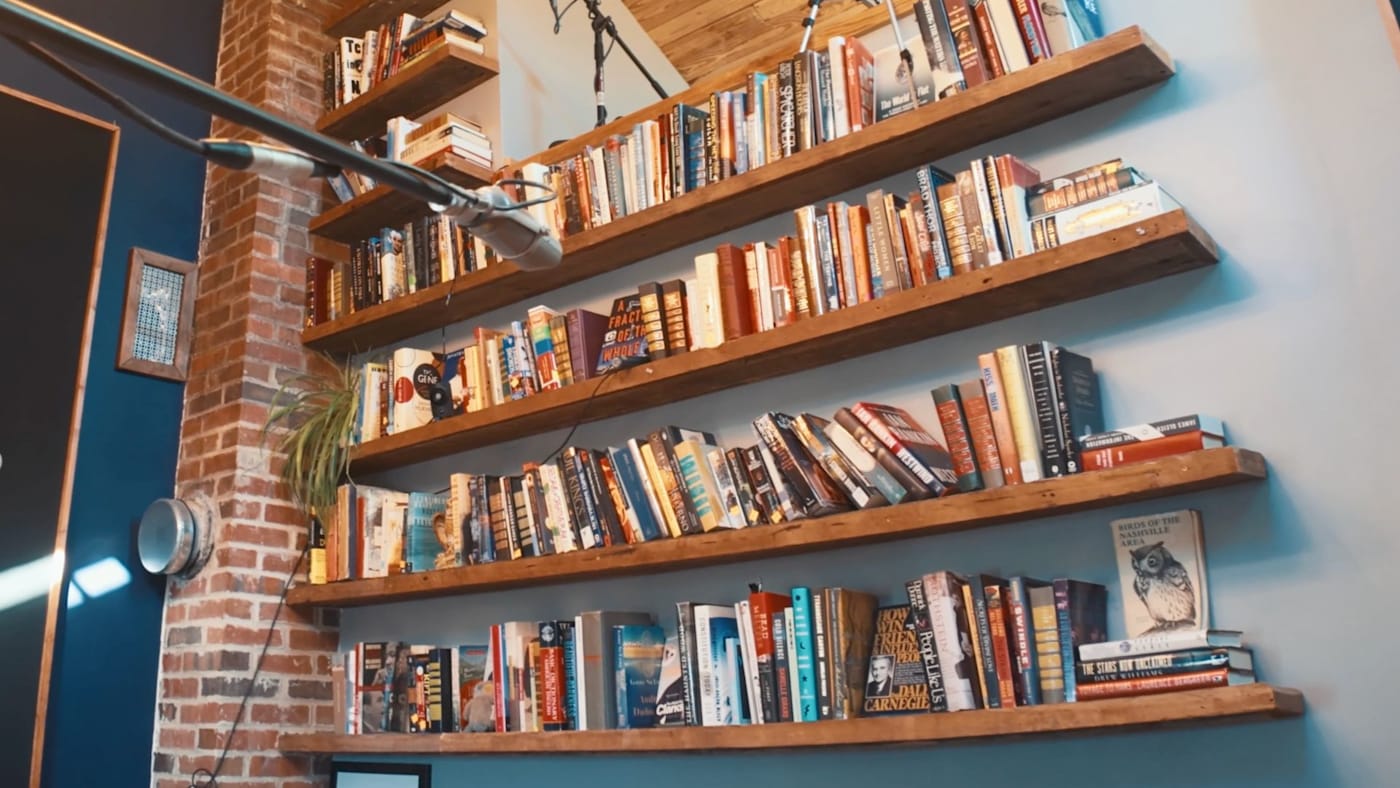
The live room is the musical center of the studio, built to accommodate drums, bass, and guitar while still feeling welcoming. It’s an airy space full of plants and flanked by a wall of books hand-picked by Zellmer that doubles as diffusion. The ISO booth has double walls, double windows, and just enough floor for a drum kit. "There's so many layers of wall here that you can't see," Zellmer says.
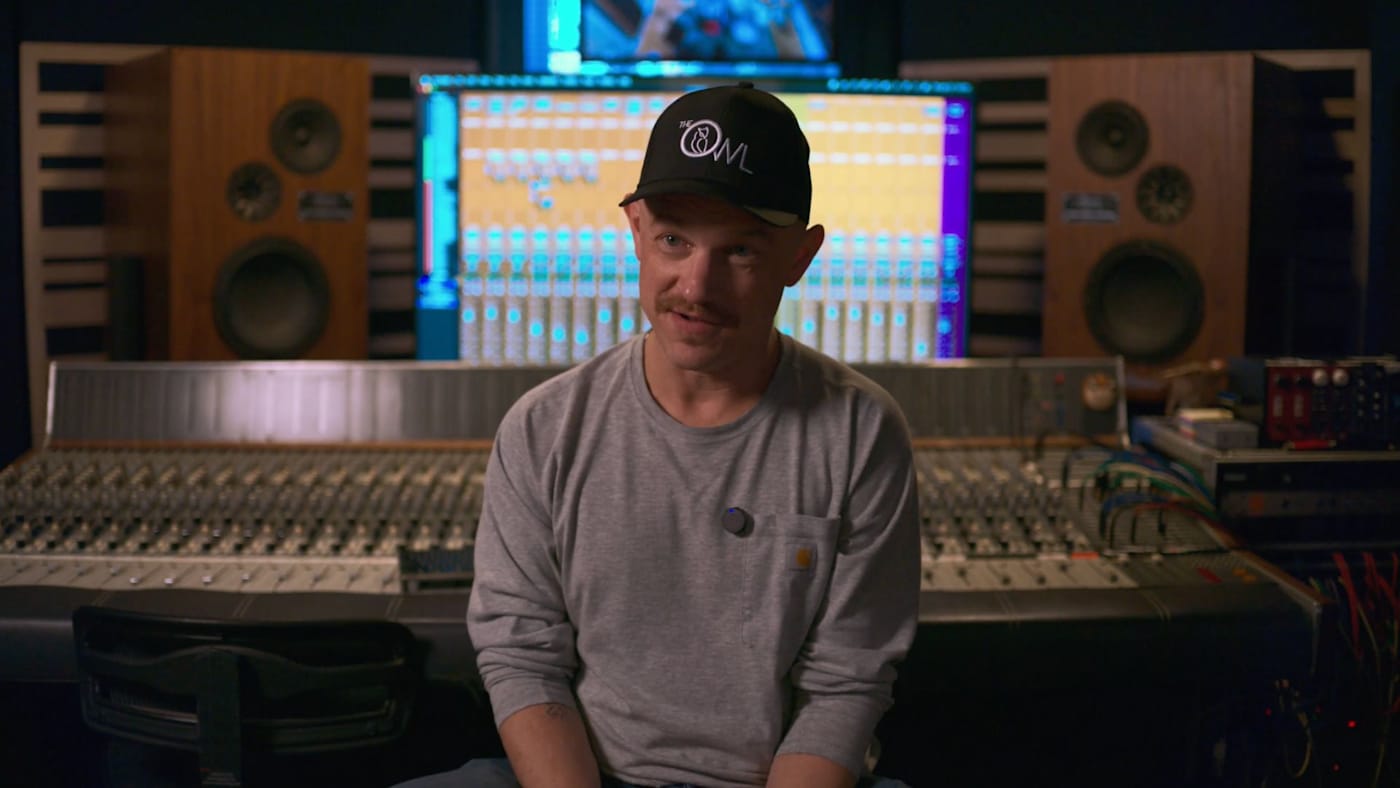
The studio’s centerpiece is a 32-channel Otari 54 in-line console from 1993, one of fewer than 100 built, feeding a rare set of wood-paneled Atomic Instruments mains. Sessions run in Pro Tools, with the computer, converters, and drives in a separate machine room for heat and noise isolation.
Then there are the details that make the place unmistakably The Owl: a 1906 Ludwig upright piano, countless owl-themed gifts accumulated from friends and clients over the years, and a vintage Nintendo NES Zapper modified to trigger studio talkback.
Moving Fast Without Sacrificing Sound
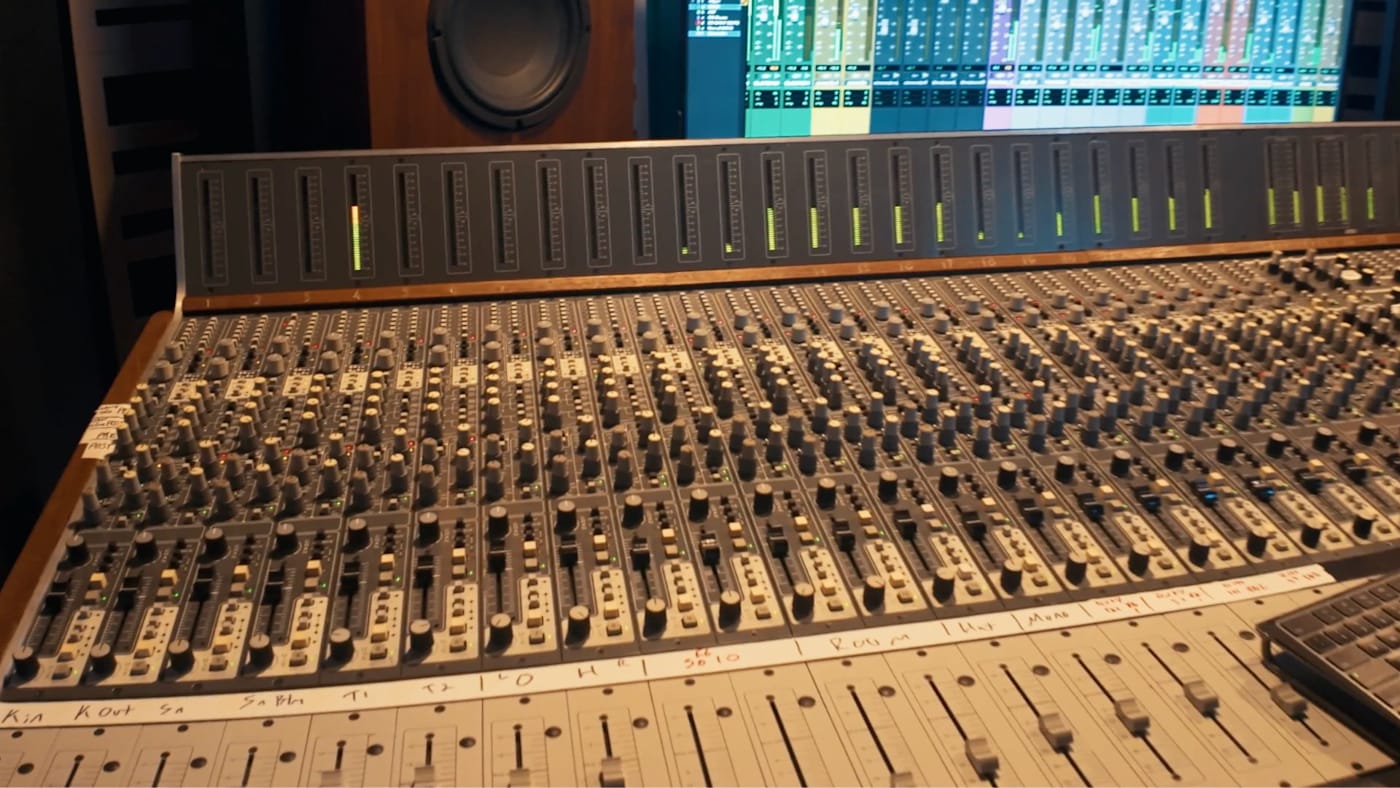
Zellmer says The Owl’s goal has always been to chase sounds that were “unique,” even if that meant spending as long as necessary auditioning microphones, preamps, EQs and compressors.
Years of working together have helped Kimmerer and Zellmer build an instinctive shorthand. Zellmer knows what Kimmerer wants from a drum setup; Kimmerer understands how Zellmer will approach the engineering. That familiarity lets them move quickly while still making deliberate creative choices.
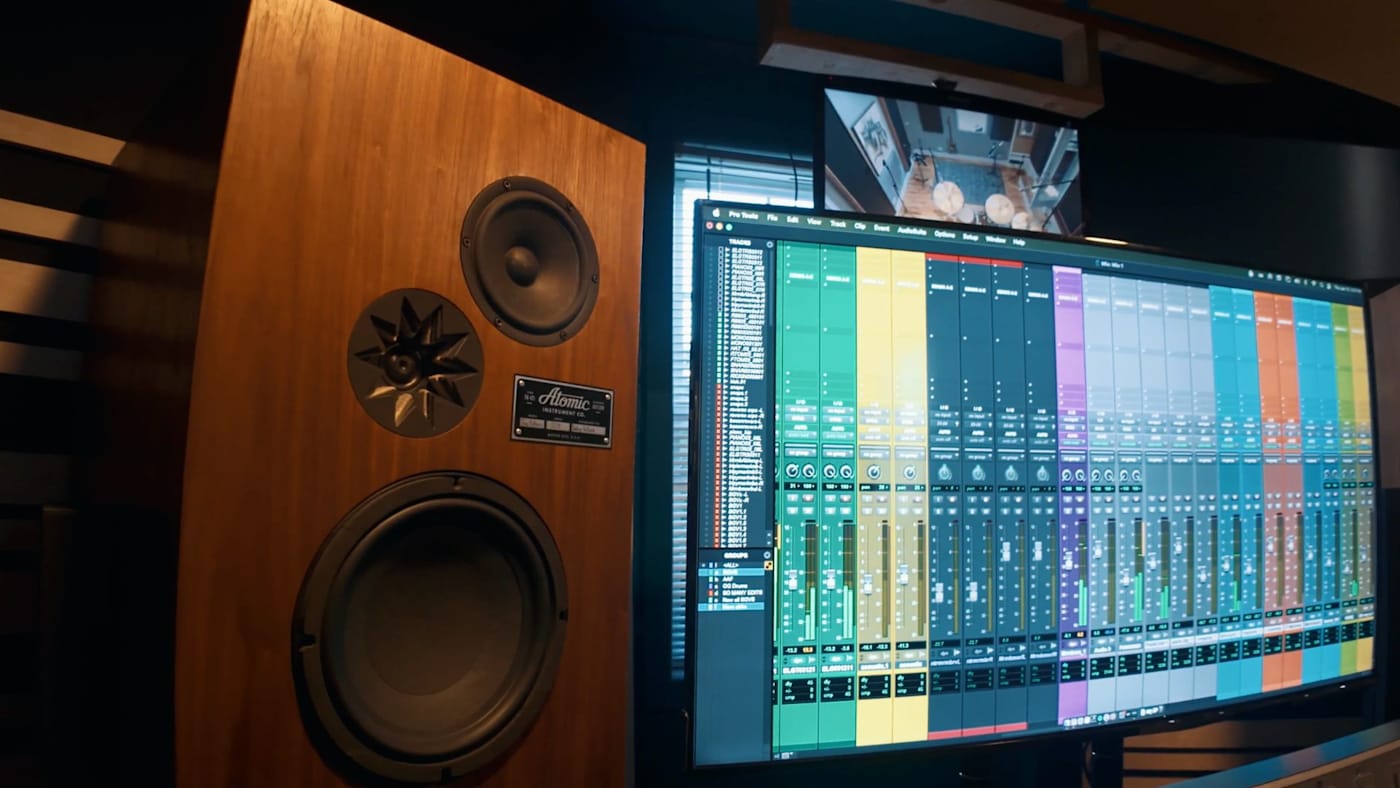
That speed matters because The Owl may host very different work from one day to the next. One session might be a hyper-efficient Nashville publishing demo with a full band cutting several songs in a few hours. Another might be an independent artist developing a record from arrangement through mixing. Meanwhile, podcasts and other content shoots are also a commonplace within the studio's walls.
Over the years, the studio has contributed to work for artists including Thomas Rhett, Dierks Bentley, Jordan Davis and Steven Curtis Chapman, while Kimmerer and Zellmer’s own touring careers keep them connected to Nashville’s broader music community.
A One Cable Studio
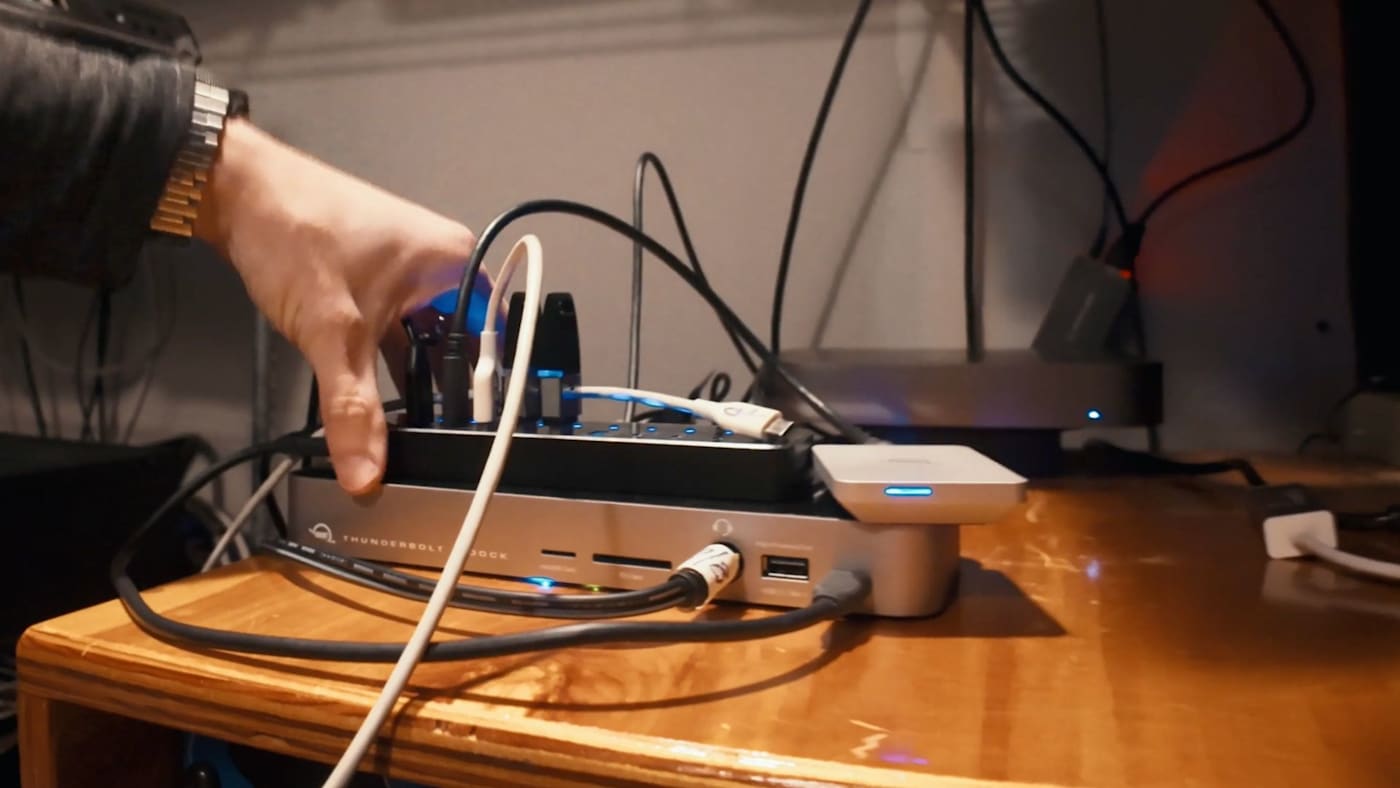
Another of the studio’s core values is making it easy for visiting artists, producers, and engineers to feel like they own the space. That means being able to quickly adapt to any technology that may walk through the door. An OWC 14-port Thunderbolt Dock makes that possible.
“I can unplug the dock from my computer and plug it into any producer’s or engineer's laptop that they want to bring in,” Zellmer says. “Then they've got all their stuff flowing through one cable…Plus, it lets me run the whole place from one Thunderbolt cable," he says. Zellmer is able to connect Ethernet, USB devices, displays, and the Pro Tools interface all through one OWC dock.
Where the Data Lands
The studio's primary drive for storing recordings is a 2TB OWC Envoy Pro Elektron. Zellmer says the studio prefers the Elektron for its compact size and its bright blue LED that confirms when the drive is connected. The studio also holds onto client sessions as long as it can. "Inevitably somebody will lose something," Kimmerer says. "That's an important part of our offering."
That blend of personality and service is The Owl in a nutshell. It’s a place where a century-old piano can live a few rooms away from a Thunderbolt-connected machine room, and where the hidden layers inside the walls matter just as much as the art hanging on them.
Kimmerer calls the studio a “wide open canvas” of creative potential. After more than a decade in Berry Hill, The Owl’s real accomplishment may be that it still feels that way: highly capable, deeply personal and ready for whoever walks in through the kitchen next.
Other topics you might like

How Canyon Studios Keeps the Creativity Flowing — and in Sync — From Nashville to L.A.
Updated on Aug 25, 2026


Like What You Like: A Sneak Peek of Episode 2 of Personal Work with Forrest Mankins
Updated on Aug 7, 2026

SSDs vs. HDDs in 2026: What the Flash Shortage Changes for Your Storage Strategy
Updated on Jun 18, 2026